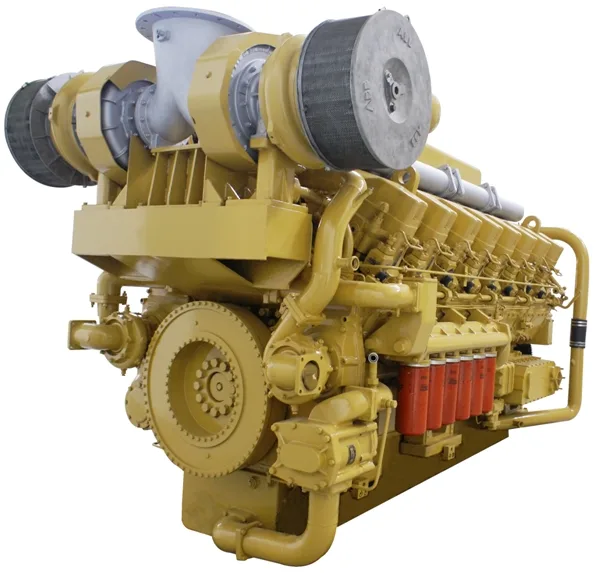
190 series diesel and gas engines from 110 to 2,400 kW, reciprocating compressor packages, hydraulic transmissions, gas gensets and low-voltage power.
A rig is an engine with a derrick attached, and the engine decides how much of the day is spent drilling. The 190 series covers that requirement from 110 kW to 2,400 kW in naturally aspirated, turbocharged, dual-fuel and gas versions, with land and marine builds sharing liners, pistons and valve train so a fleet can hold one spares set.
The larger frames were developed with AVL modelling rather than cut and try: combustion, crankshaft torsional behaviour, turbocharger matching and gas exchange were simulated before the first casting. That is how the 6000 series reaches 2,400 kW on a 190 bore, and why the B3000 was reworked around sealing, service access and automation for unmanned and export wellsites rather than around output alone.
Around the engine sit the transmission and the electrical package. Hydraulic couplings and coupling gearboxes give load start, overload protection, stepless speed change and torsional isolation, which is what keeps a stalled mud pump from reaching the crankshaft. Reciprocating compressor packages — diesel, electric or gas driven — cover gas lift, underbalanced drilling and pipeline testing, and the low-voltage switchgear and control panels are built to the same project as the generator sets they serve.
We quote this line as a package, because the engine, the coupling and the switchgear have to agree on torque, on starting current and on how the load is shed. Our data sheet names the rating at the ambient and altitude of the site rather than at test-bed conditions, and we tell the customer when the driven load should have a larger frame than the first enquiry suggested.
We build the engine and the transmission in the same plant as the rig, so a drive train that does not fit together is our problem to fix before shipment rather than the customer's to solve in the field. Our quotation always pairs the frame with the driven load it has to carry.
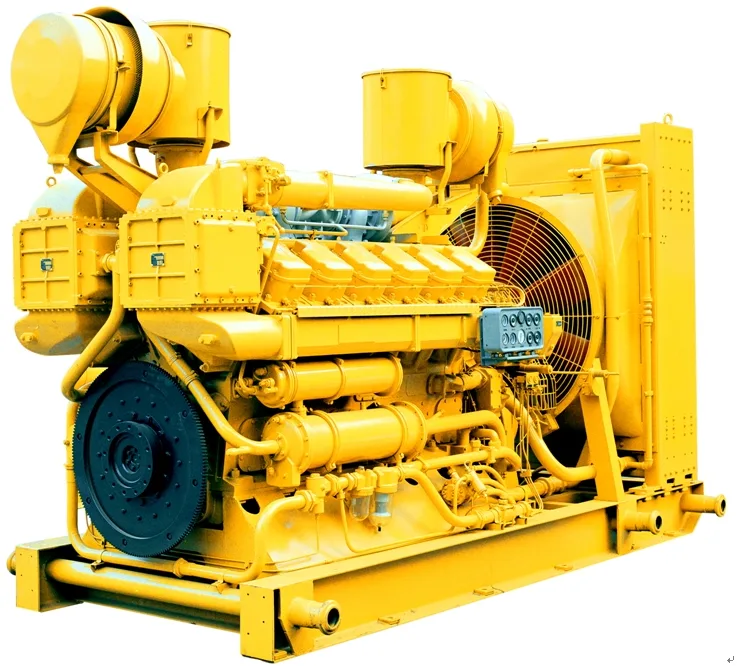
190 Series Diesel Engines
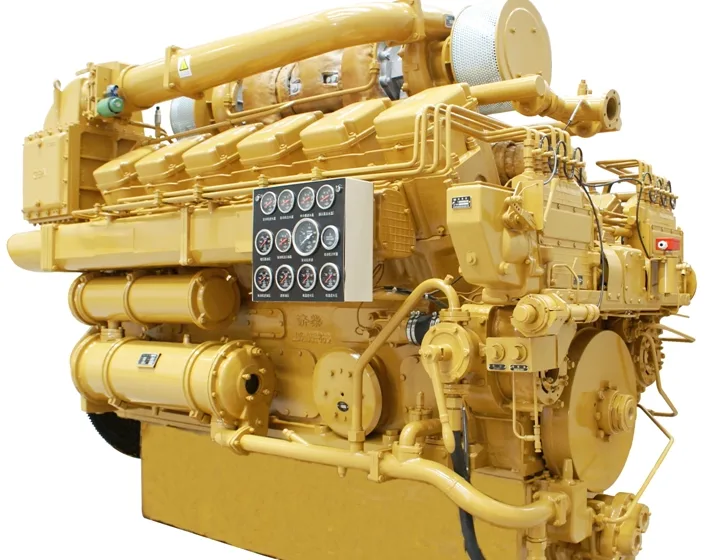
190 Series Diesel Engines
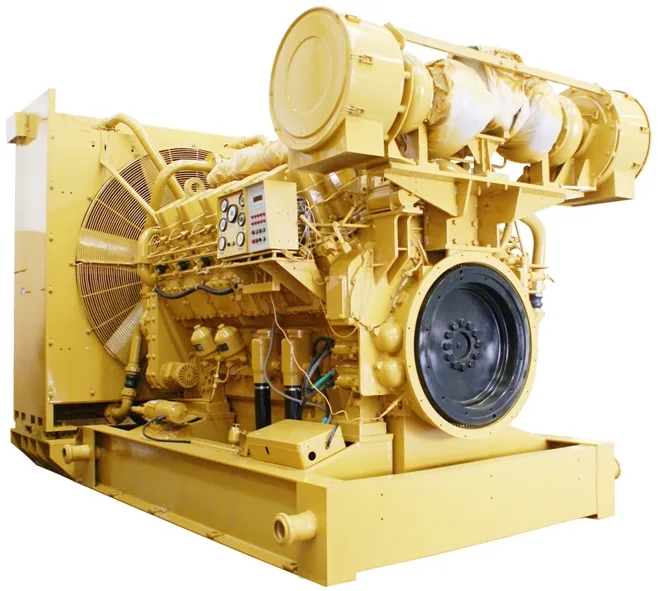
190 Series Diesel Engines
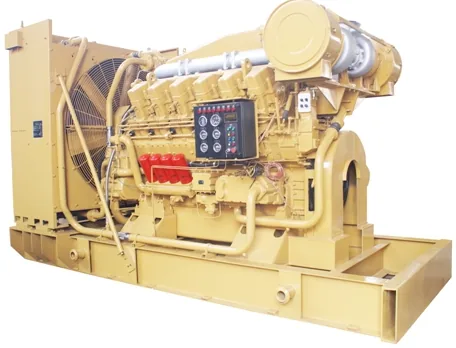
190 Series Diesel Engines
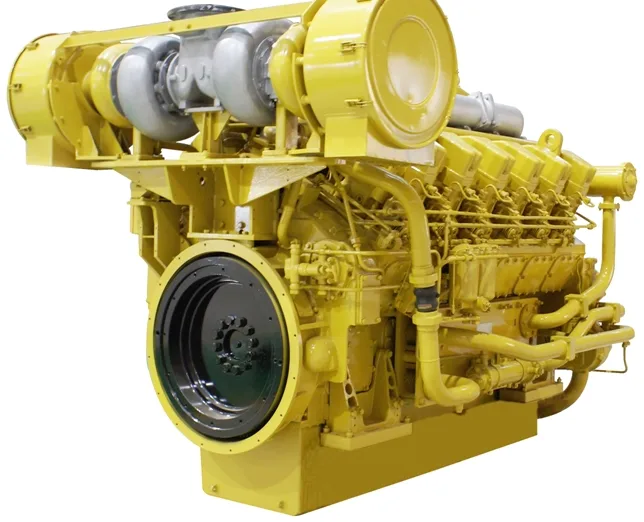
190 Series Diesel Engines
190 Series Diesel Engines
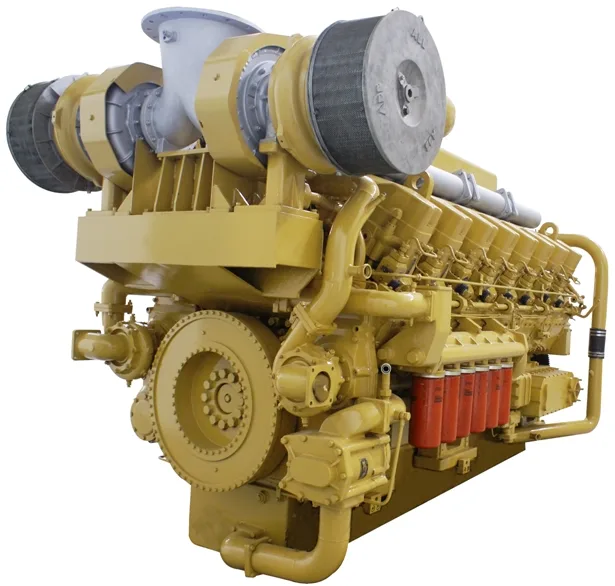
190 Series Diesel Engines
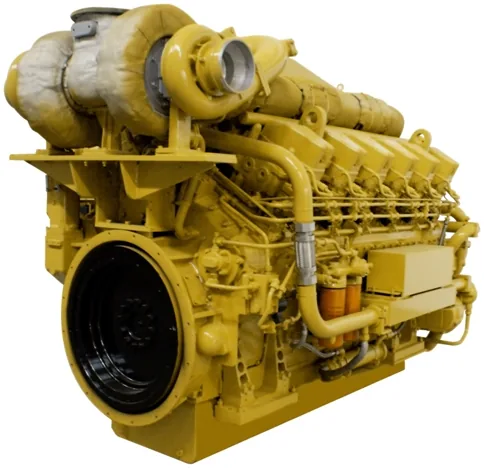
190 Series Diesel Engines
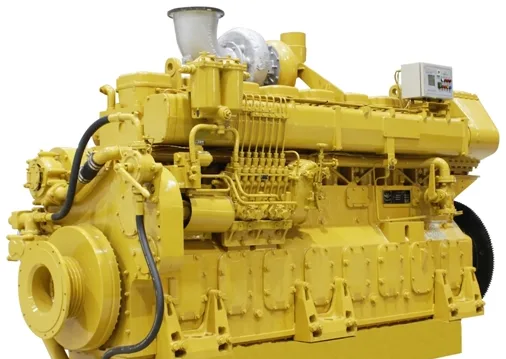
190 Series Diesel Engines
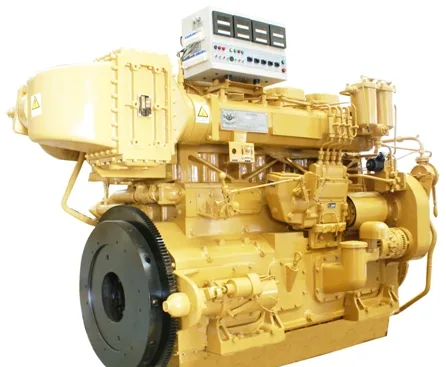
190 Series Diesel Engines
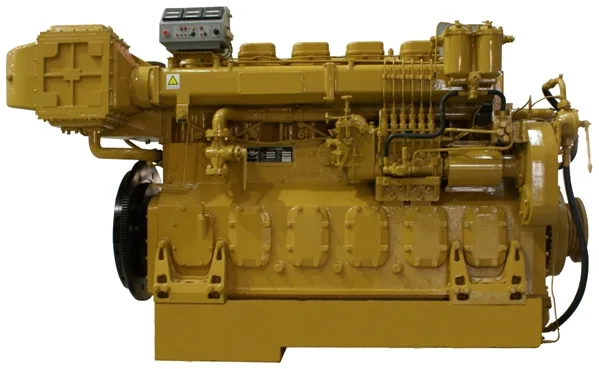
190 Series Diesel Engines
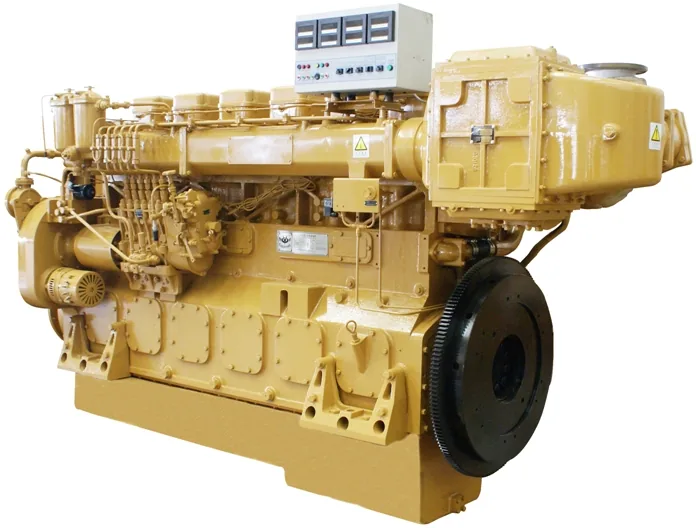
190 Series Diesel Engines
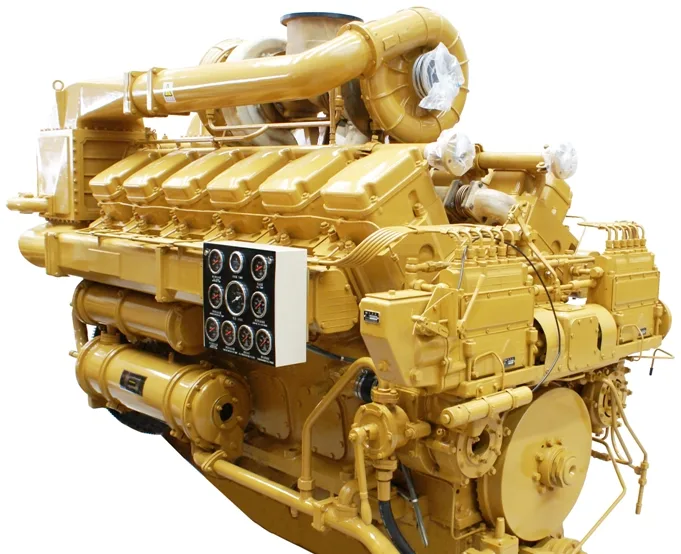
190 Series Diesel Engines
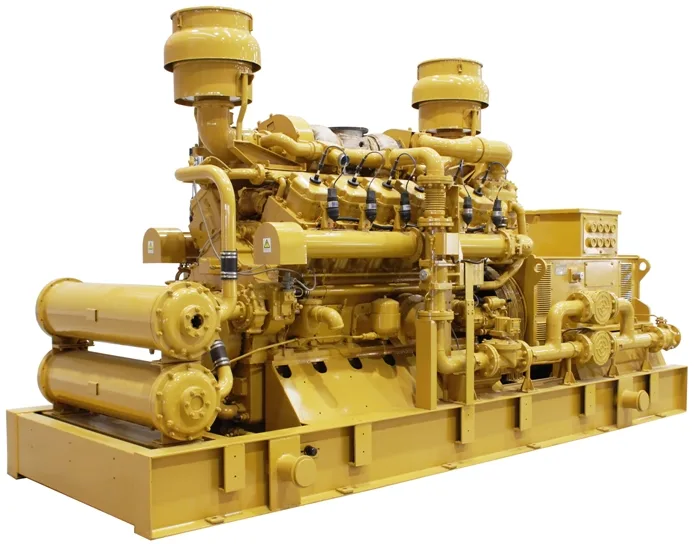
190 Series Gas Engines
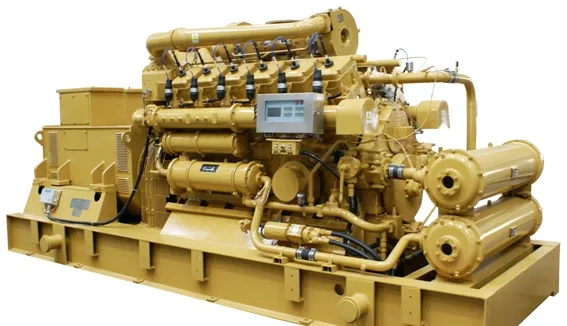
190 Series Gas Engines
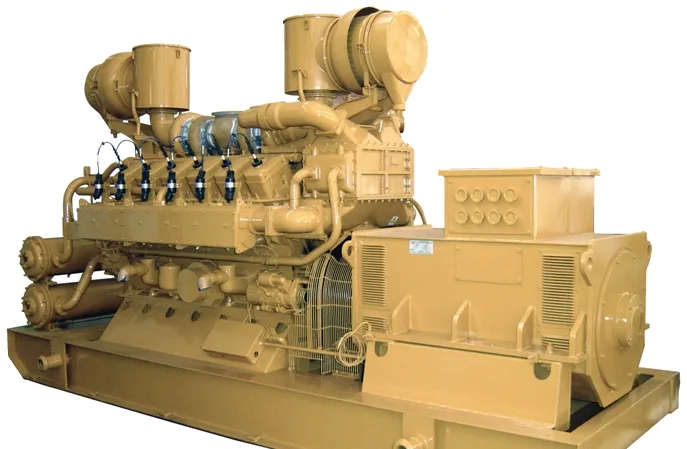
190 Series Gas Engines
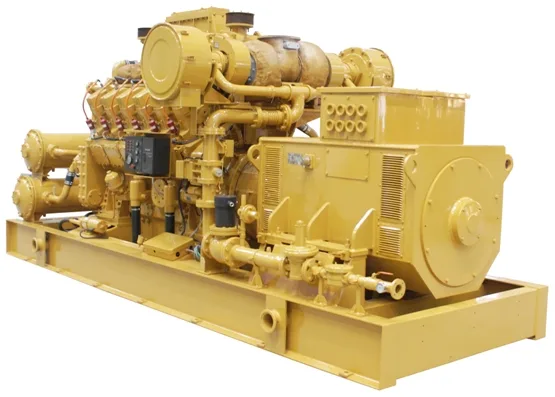
190 Series Gas Engines
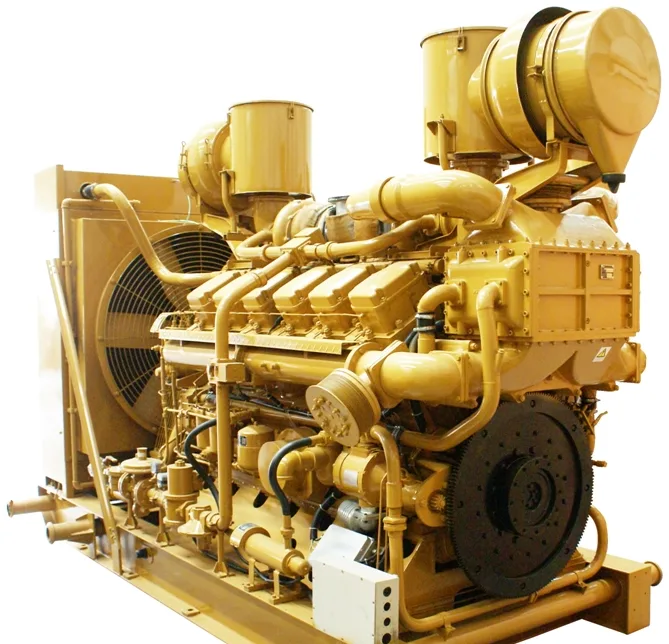
190 Series Gas Engines
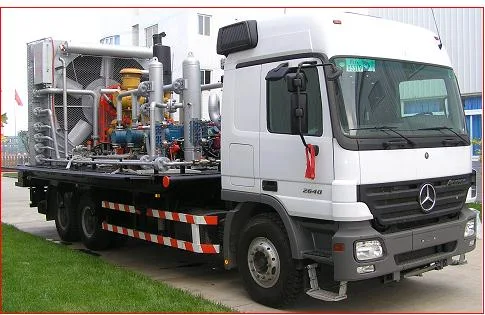
Compressor Packages
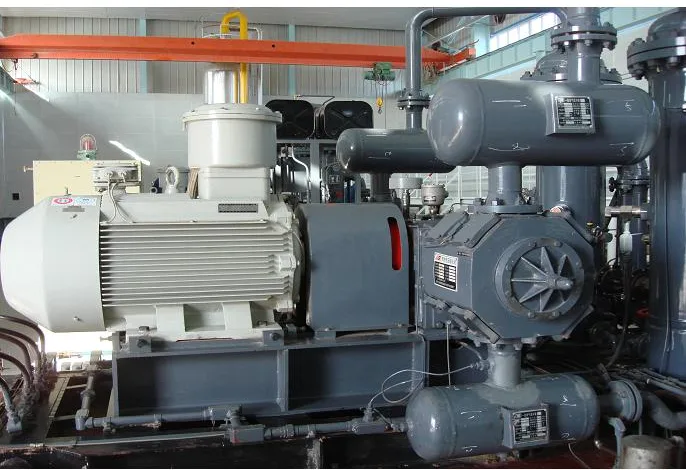
Compressor Packages
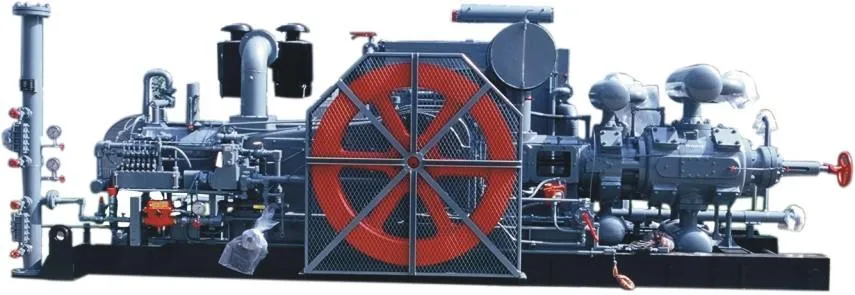
Compressor Packages
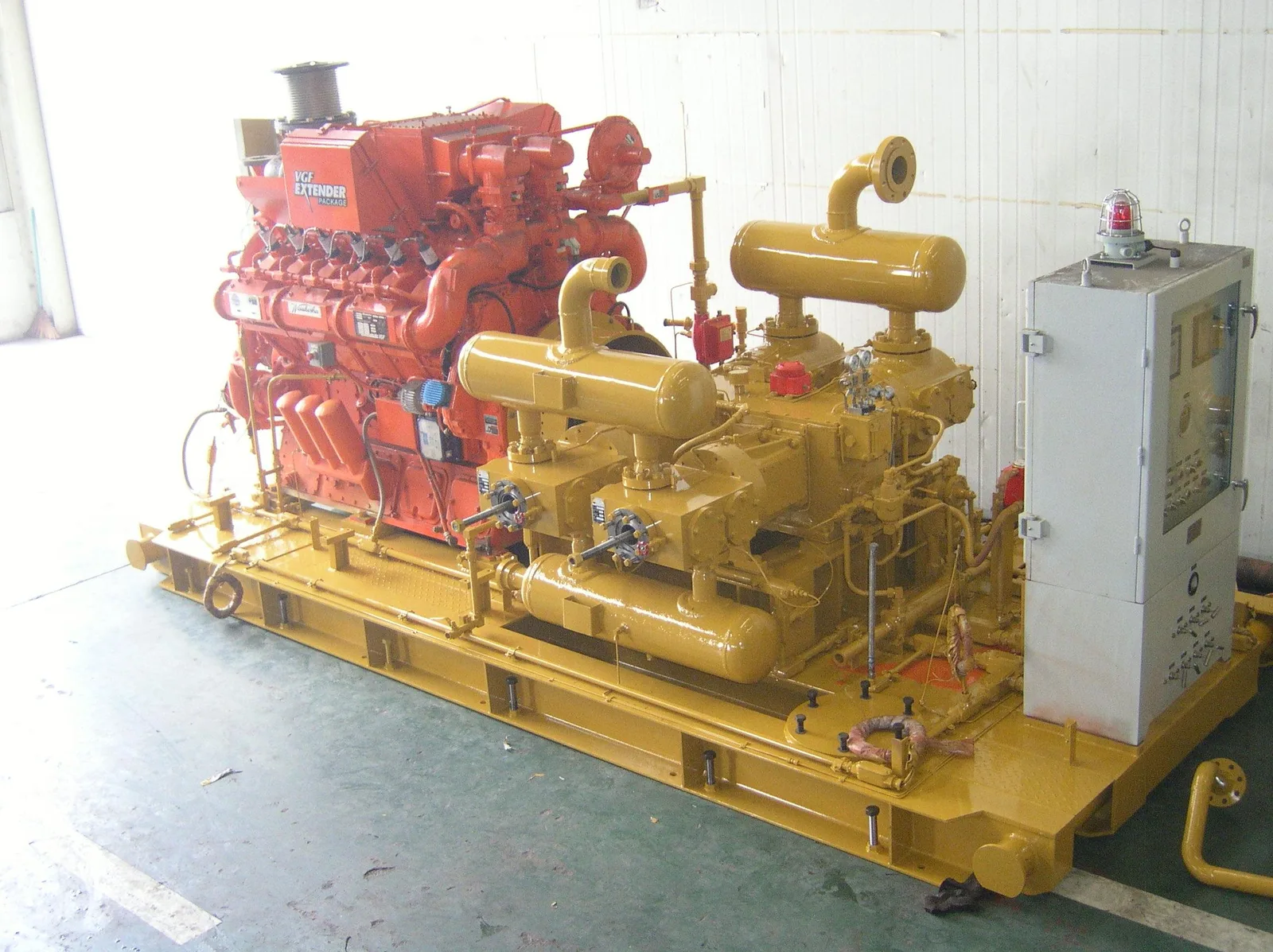
Compressor Packages
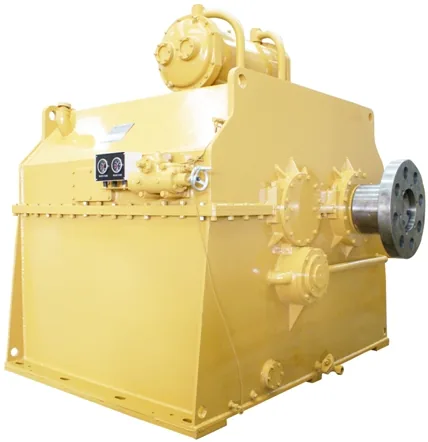
Hydraulic Transmissions
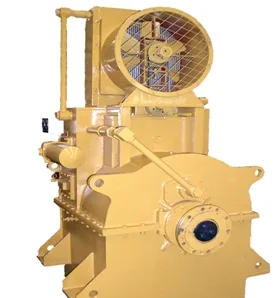
Hydraulic Transmissions
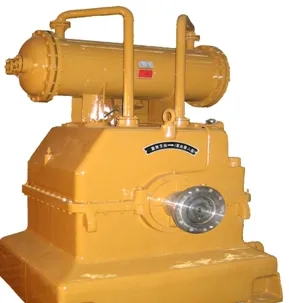
Hydraulic Transmissions
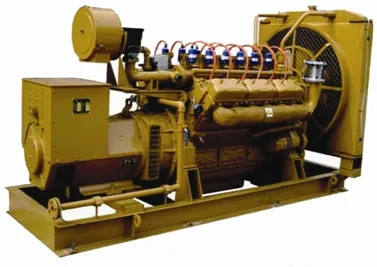
Gas Gensets
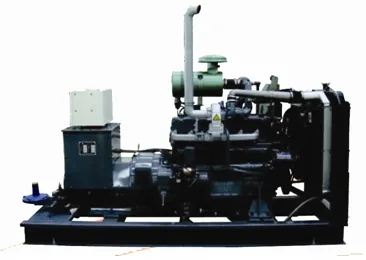
Gas Gensets
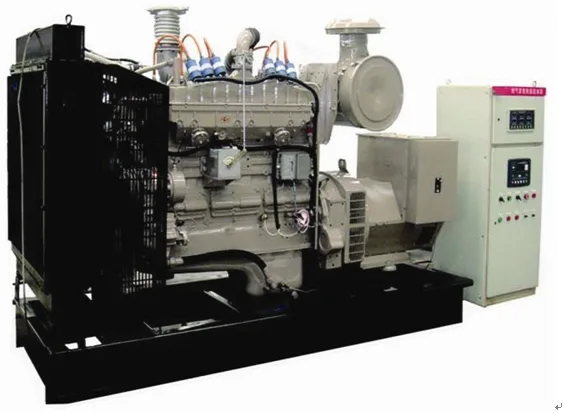
Gas Gensets
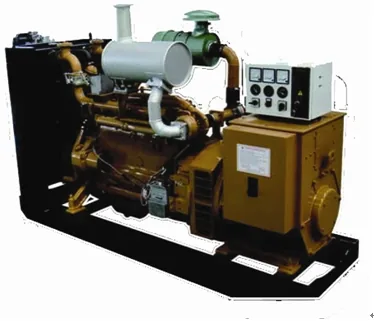
Gas Gensets
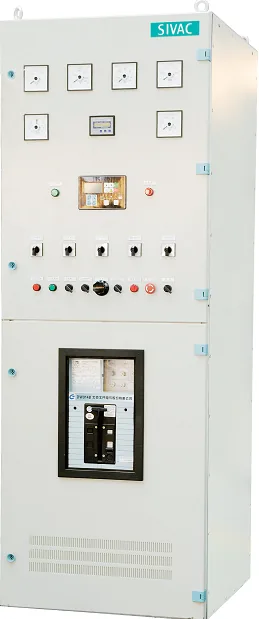
Power Control
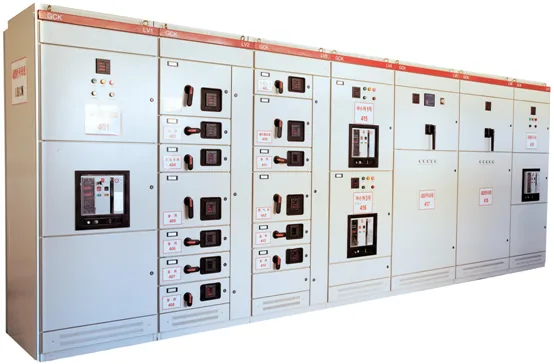
Power Control
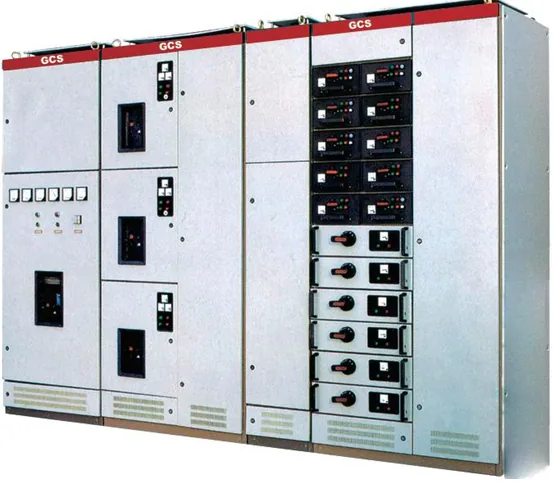
Power Control
Power Control
Power Control
Power Control
Prime mover
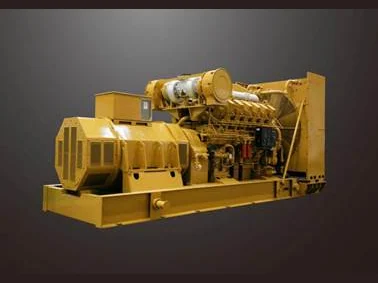
Generator set
Diesel where there is no gas and the rig moves often; dual fuel where associated gas is available but reliability still matters; spark-ignition gas where the field has a steady supply and the load is continuous.
Engine and compressor on one frame and one crankshaft means one alignment to hold and no coupling to wear. It is the arrangement that survives unattended wellsites.
The engine, mainly. A mud pump stall or a bit seizure produces a torque spike that a direct drive passes straight to the crankshaft; the coupling absorbs it and limits the torque.
On the integral compressor the fuel range is 16,510 to 47,700 kJ/Nm³ without detonation or derating; on the spark-ignition gensets the closed-loop build is the one specified for variable gas.
The frames on this page are high speed. A medium speed diesel engine manufacturer in our group covers the 26/32 series, and a medium speed diesel genset is quoted for base-load power where fuel consumption and overhaul interval matter more than mass.
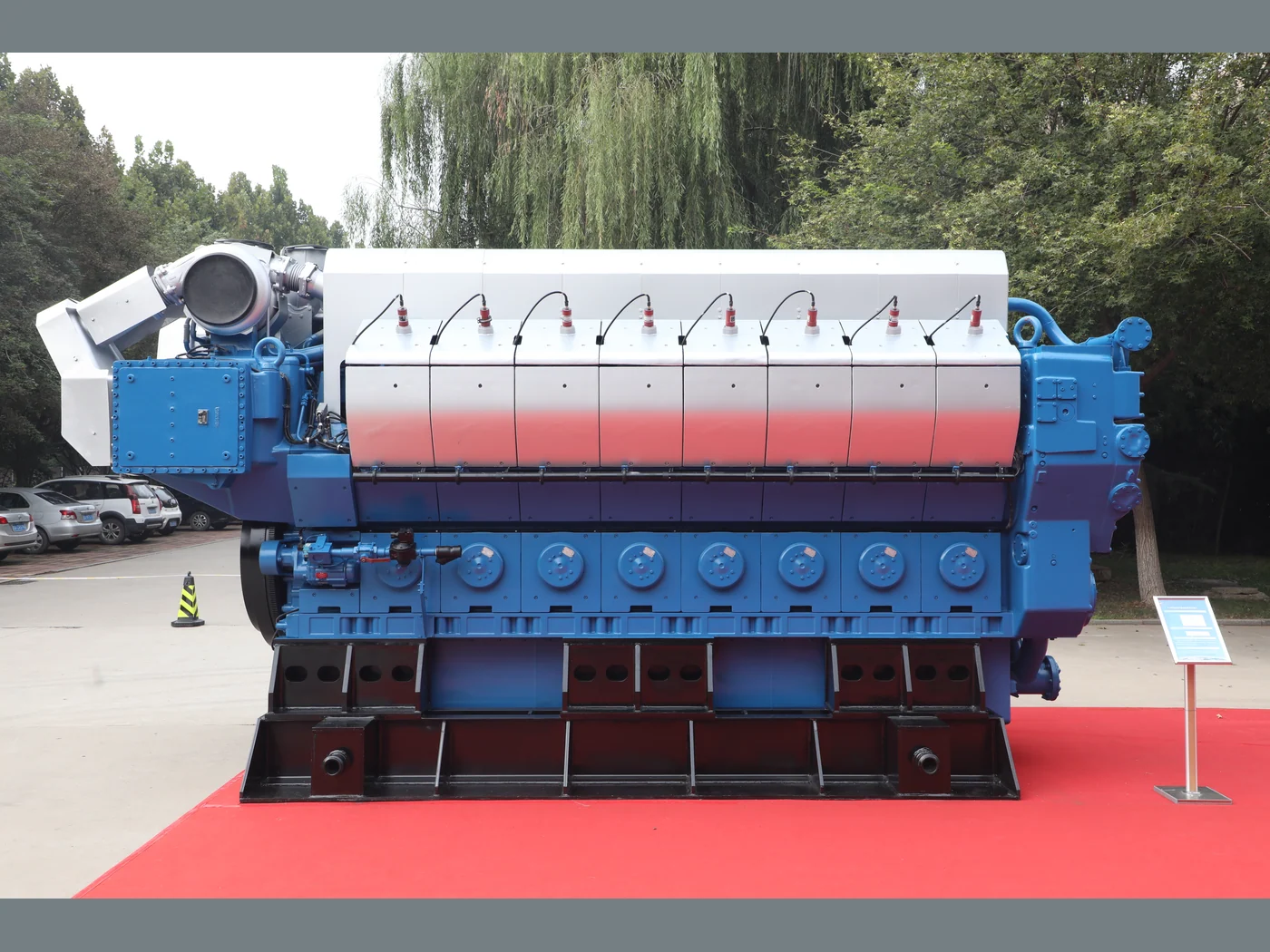
A high speed diesel engine generator is the usual choice for rig power where the load swings with the drawworks and the package has to stay light enough to move with the rig.
The JC15 engine is the 15-litre six-cylinder frame used in the group's smaller generator and pump drives; ask for the rating table when it is being matched to a BOMCO package.
We match engine rating, generator end and control philosophy to the site's fuel and ambient conditions. If you run on treated gas or at altitude, the derating curve comes with the quotation.
Start with the driven load and the duty cycle rather than with the engine rating. A mud pump, a drawworks and a generator each impose a different load shape, and the continuous rating that suits a generator set is not the rating to apply to a pump that stalls. We quote the 190 series on both, because the same block serves both duties at different ratings.
Fuel decides the family. Diesel where the rig moves and there is no gas; dual fuel where associated gas is available but reliability cannot depend on it; spark-ignition gas where supply is steady and the load is continuous. We specify closed-loop control where gas quality varies, since a fixed mixer cannot follow a changing methane number.
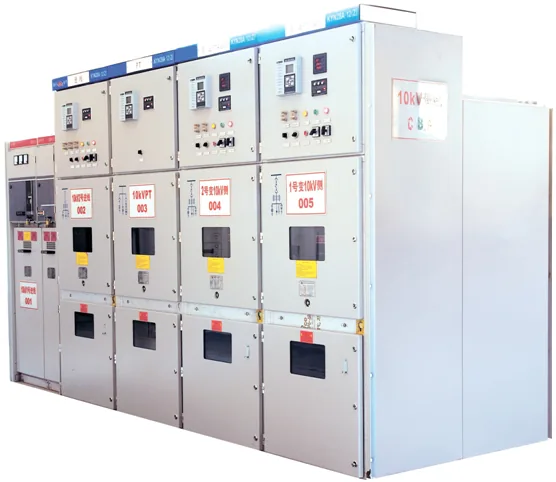
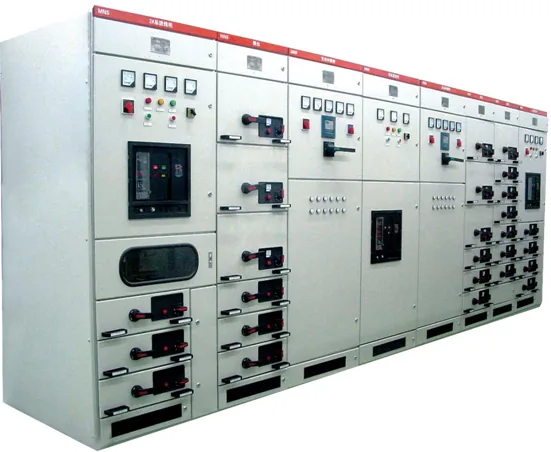
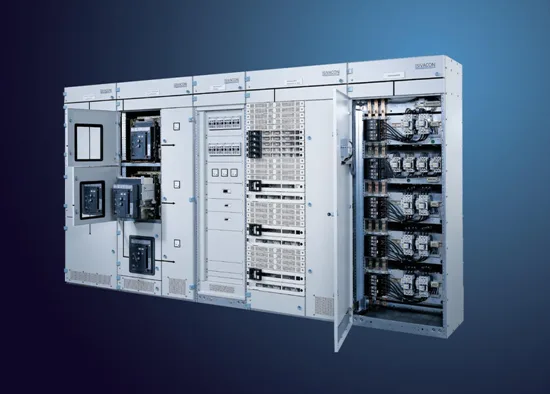
Drive train and electrical package are quoted with the engine, not separately. Hydraulic couplings and coupling gearboxes give load start, overload protection, stepless speed change and torsional isolation; generator sets are supplied with their control panel, and plant distribution is built from MNS, GCS, GCK, SIVACON 8PT or KYN28-12 depending on voltage and whether the plant expects a supervisory interface.
For compressors, the question is whether the machine is attended. An integral unit with engine and compressor on one frame and one crankshaft is what runs unattended at a wellsite; a separable package is easier to relocate and to service piece by piece. We confirm fuel range and sour-service capability against the gas analysis before the order is placed, and our data sheet quotes the rating at the site's ambient and altitude.