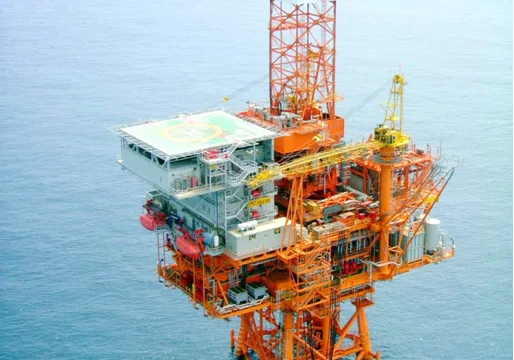
Platform drilling modules and offshore workover rigs for jack-up and production platforms, with walking systems, tower masts and AC VFD drives built.
Offshore work is a space problem before it is a power problem. Deck area is fixed, crane capacity is fixed, and everything has to be installed through a hatch. Our platform packages are built around that constraint: a 7,000 m DC electric rig module with a bottleneck tower mast or a telescoping mast, sized so it can be assembled and maintained in the space available.
Rig movement uses a friction or ratchet walking system that shifts the whole module in four directions on the deck, which is what makes batch drilling from a single platform position practical. Drawworks are driven by two DC motors with good speed regulation and high power factor, cutting the time lost to each connection; main braking combines a high-torque hydraulic disc brake with electromagnetic eddy-current or disc auxiliary braking, so weight on bit can be set precisely and the string fed smoothly.
For workover duty, the HXJ158 was developed for a production-and-test platform and mounts on the main deck, traveling along the cantilever beam to the well slot. Its 33 m tower mast stands without guy wires on a block-on-block substructure, and the single-shaft drawworks, independent rotary drive and AC VFD motors for drawworks, rotary and mud pump share one control architecture. Wind walls, rain covers, escape devices and a driller's cabin that concentrates every control are part of the package, not extras.
We design to the deck, the crane and the escape route first, then to the pressure and depth, because that is the order the platform imposes.
Offshore Modules
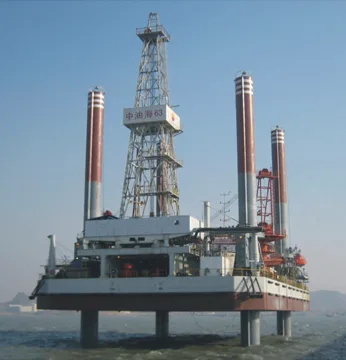
Offshore Modules
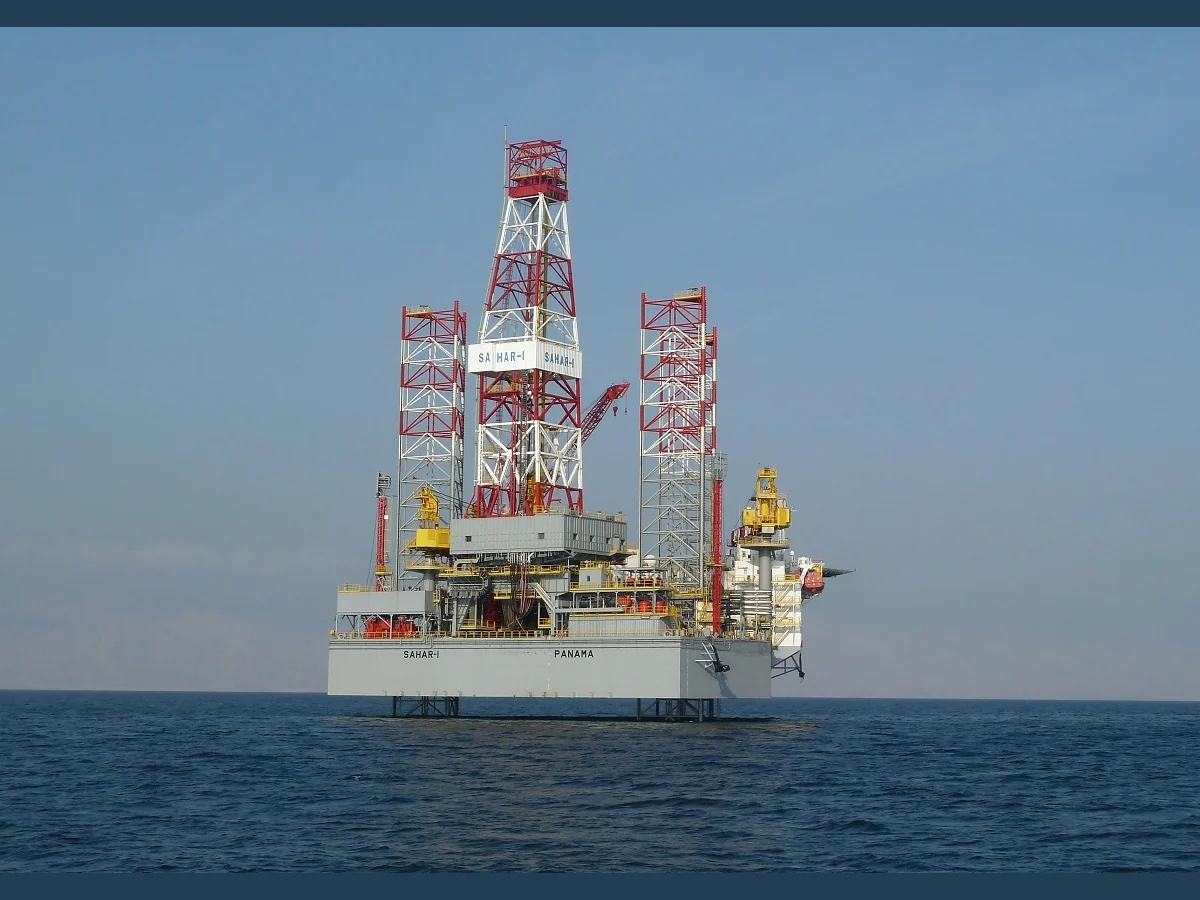
Offshore drilling unit
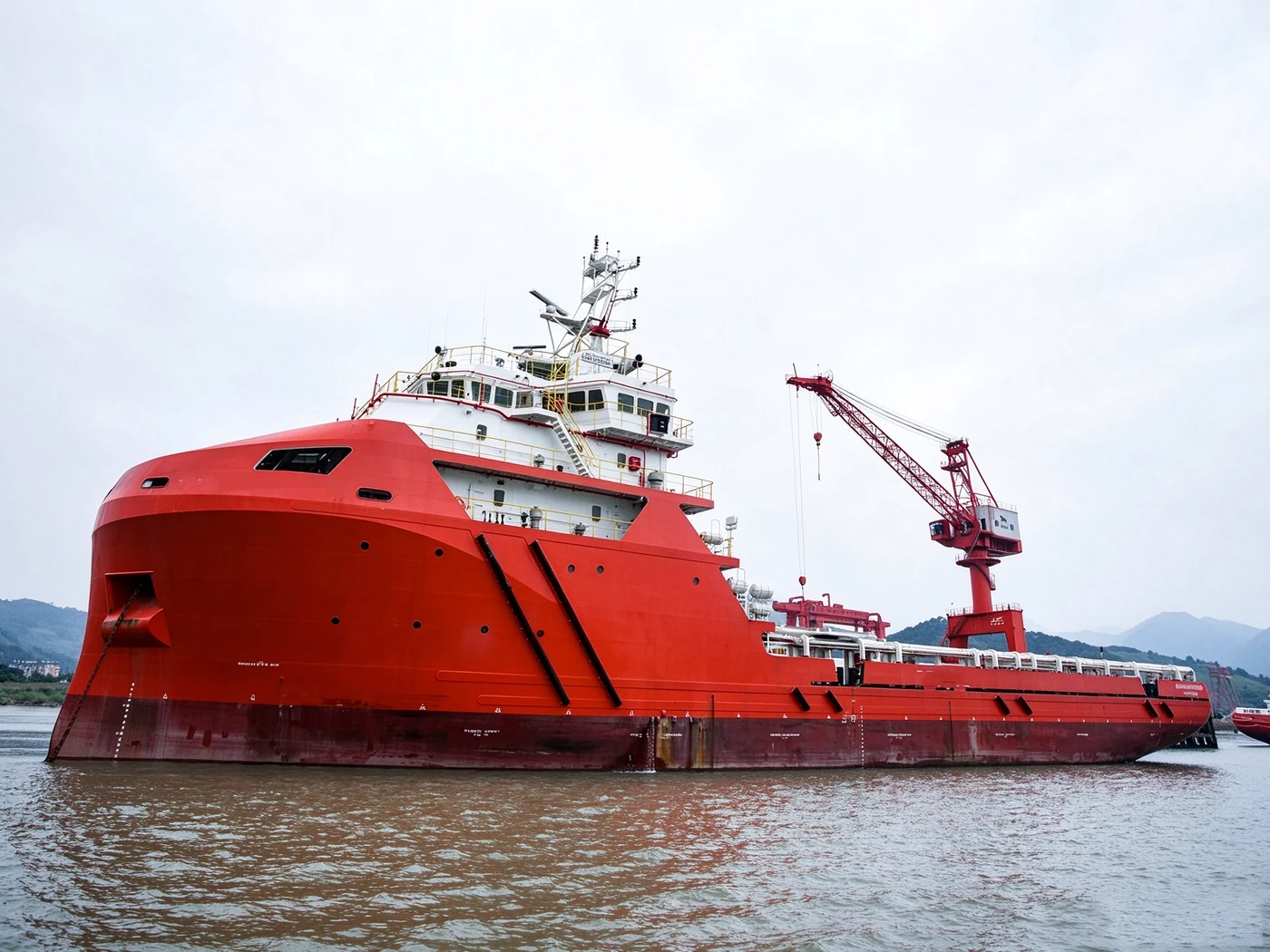
Offshore marine unit
It carries more load in less deck area and needs no guy wires, which keeps the crane envelope clear during installation and later maintenance.
It allows the module to move between well slots without a crane or skidding contractor, so batch drilling programmes run continuously.
The HXJ158 was developed for a specific production platform, but the configuration — deck-mounted, cantilever-traveled, guy-less tower — repeats on other platforms with different slot spacing.
The units built at Baoji and shown on this page are platform modules. A complete jack-up drilling platform is quoted through the offshore drilling platform manufacturer of the same group, with leg length, variable load and the storm condition set by the field development plan.
A self-elevating platform is the same class of unit under its classification name: the legs are lowered to the seabed and the hull is elevated clear of the wave zone before drilling starts.
Vessel work is quoted separately: a platform supply vessel or an anchor handling vessel comes through the group's offshore support vessel builder, while this page covers the drilling and workover modules that sit on the deck and tie into the vessel or platform.
We package offshore units around deck load, module footprint and the classification the asset is registered under. Tell us the platform interface drawings and we will quote the skid with lifting and sea-fastening detail.
On a platform, deck area, crane capacity and the escape route come before pressure and depth. We design to those constraints first, then to the well, because a rig that cannot be lifted onto the deck has no value however well it drills.
API 2C covers offshore cranes and the lifting practice around them, API 4F the mast and substructure, and API 16A and 16D the pressure control with nitrogen backup for the control unit. The walking system is quoted with the rig, so slot-to-slot moves do not need a separate skidding contractor.
We build the module on a yard skid and test it there, because deck assembly time is the most expensive hour on a platform, and we review the lift plan with the installation contractor before the unit is shipped.