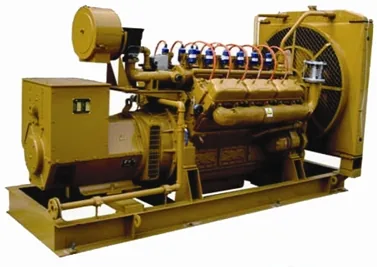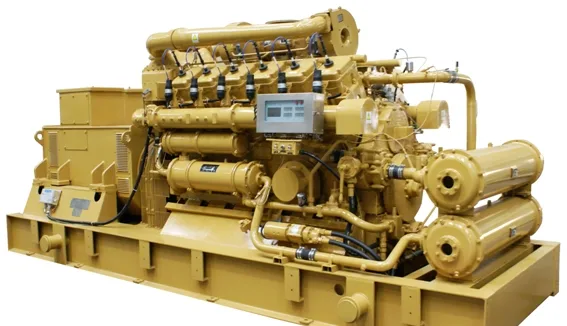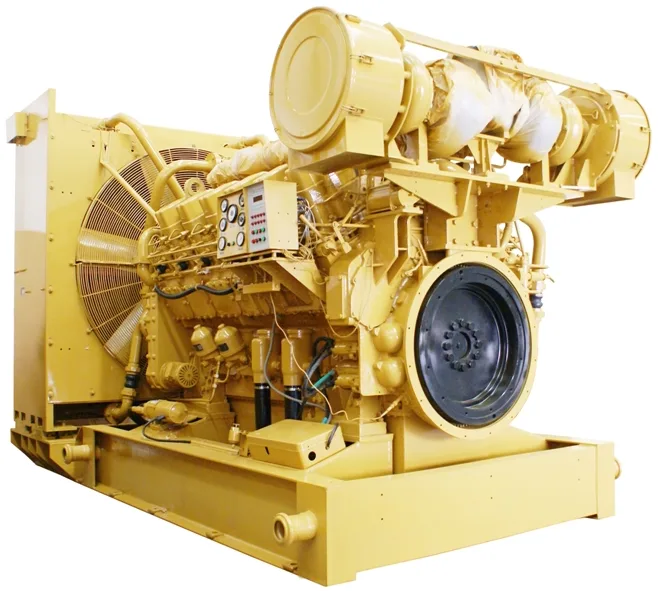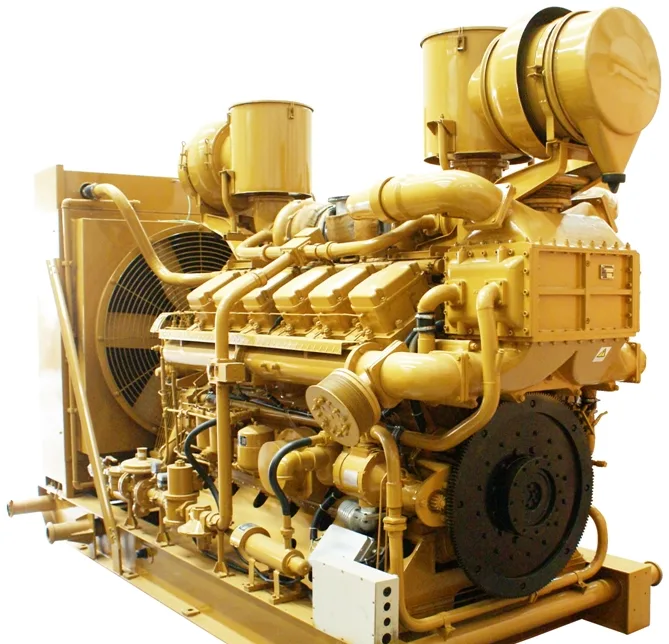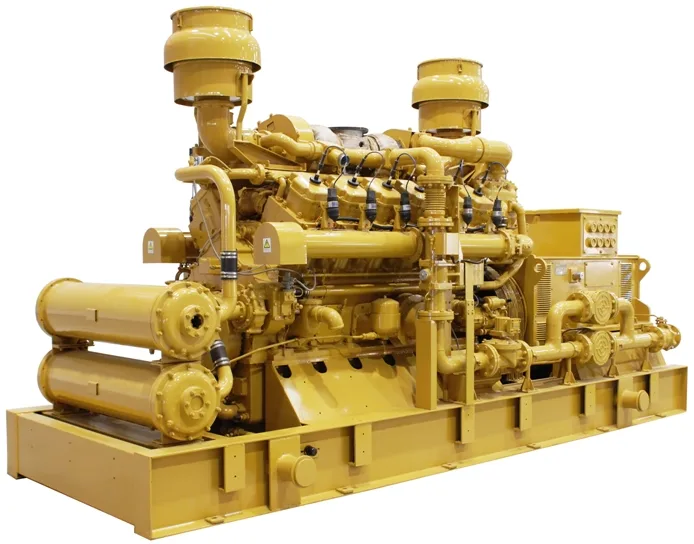
We take the fuel decision before the engine decision. Diesel buys portability and load response; gas buys running cost and ties the rig to a pipeline.
A diesel genset at 1,000 kW burns about 200 L/h at full load and roughly 120 L/h at half load. A gas genset of the same output burns about 250 m3/h of gas at 35 MJ/m3, and the fuel cost per kWh is typically 40 to 60 percent lower where gas is available at field price rather than delivered by truck.
The catch is load response. A diesel engine picks up a block load of 60 percent in a few seconds; a lean-burn gas engine picks up 25 to 40 percent and needs a load-sharing controller to hold frequency. On a rig where the drawworks starts under load, that difference is a design constraint, not a footnote.
| Criterion | Diesel | Gas |
|---|---|---|
| Fuel cost per kWh | baseline | 40 - 60% lower at field gas price |
| Block load pickup | 50 - 60% in seconds | 25 - 40%, needs load sharing |
| Fuel logistics | truck every 1 - 2 days at full load | pipeline or CNG/LNG, no truck |
| Maintenance interval | 500 - 1,000 h oil change | 1,000 - 2,000 h, spark plug at 4,000 h |
| Portability | self-contained, moves with the rig | needs gas supply, locked to the field |
| Emissions | NOx aftertreatment needed | lower NOx, methane slip to manage |
We work the fuel logistics before the engine selection. A 1,000 kW diesel unit at 80 percent load consumes about 18,000 L per week; that is a truck every two days on most locations, and the road access becomes part of the power design. A gas unit removes the trucks but adds a pressure reduction station and a supply contract that outlives the rig move.
For a mixed fleet, our answer is usually dual fuel. It runs on gas when the supply holds and switches to diesel without shutting down, which is what keeps a rig running when the field compressor trips at 3 a.m.
Only with load sharing across units and a controller that anticipates the load, or with a flywheel or energy storage. A single gas unit picking up 60 percent block load will not hold frequency.
At field gas price and 80 percent load, our figures recover the fuel saving is typically recovered in 12 to 24 months of continuous operation, before the cost of the gas supply installation.
A solution where the gas supply is unreliable. It keeps diesel economics as a fallback and avoids a shutdown when the gas pressure drops.
Spark plugs at about 4,000 hours, and a methane slip check on lean-burn units. The oil change interval is usually longer than a diesel engine of the same output.
We take the fuel decision before the engine decision. Diesel buys portability and load response; gas buys running cost and ties the rig to a pipeline.