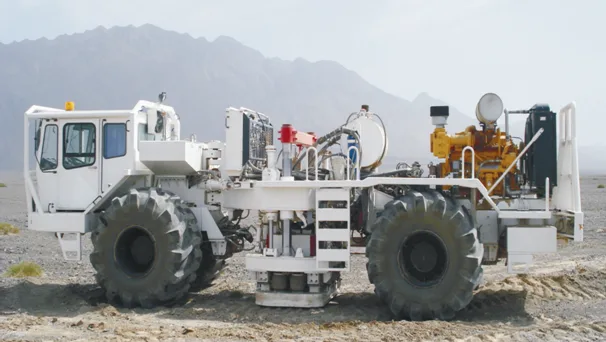
Vibroseis trucks, an impulse source, swamp and mountain shot-hole rigs, land, transition-zone and seabed geophones, and acoustic positioning.
Seismic acquisition starts at the ground, and what the source and the sensor do there sets the ceiling on everything the processing centre can recover. The range here covers the three source problems crews actually face: vibroseis where explosives are not permitted or the terrain is too accessible, an impulse source for shallow and VSP work, and shot-hole rigs for swamp and mountain terrain that no truck can reach.
The vibroseis trucks are built around ground pressure and stability rather than headline output. Wide-base tyres and a low centre of gravity let a KZ-28 work in desert, swamp and town without losing the base plate contact that the sweep depends on; the KZ-34 adds two-guide-post lifting and a 4×4 chassis for gobi and piedmont ground. Both use a transverse servo valve and a bladder accumulator inside the vibrator housing for fast, low-distortion response.
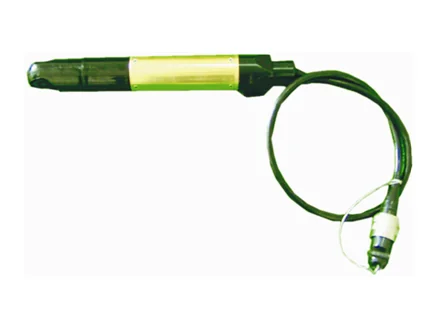
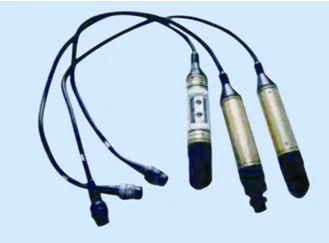
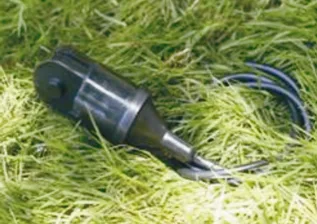
Sensors range from the SN7C super geophone, designed for 24-bit recording, through the HYD piezo element for shallow water, to the dual-sensor seabed units that combine velocity and pressure in one housing. With the BPS acoustic positioning system, bottom-cable crews can place receivers to 1 m rather than 2 m, which is the difference between usable and marginal binning.
Our starting question on this line is what the ground will carry, not what the source can put out. We ask for the terrain, the permit conditions, the target depth and the recording system, and then match the source, the drill and the receiver to that set of constraints; where a survey can be shot without an impulse source or a swamp rig, our quotation says so.
We choose seismic equipment on what the ground will carry, not on what the source can put out: ground pressure, access and receiver coupling are settled before we discuss output.
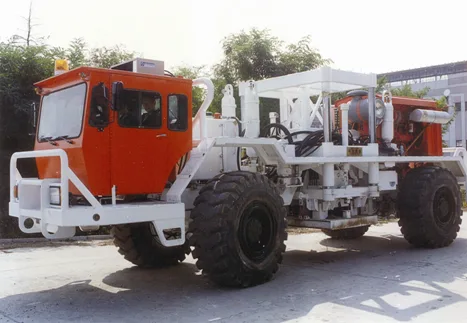
Vibroseis Sources
Vibroseis Sources
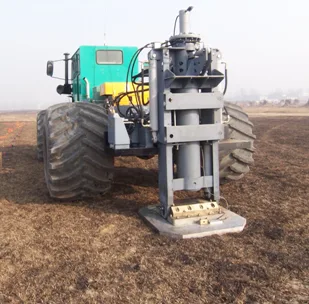
Vibroseis Sources
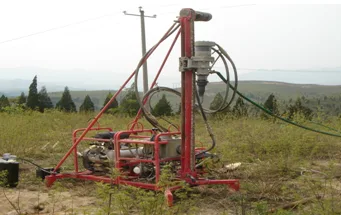
Seismic Drills
Seismic Drills
Geophones
Geophones
Geophones
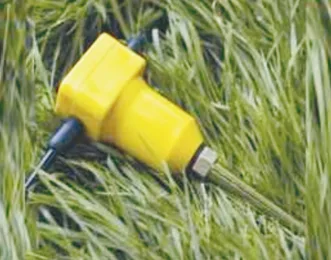
Geophones
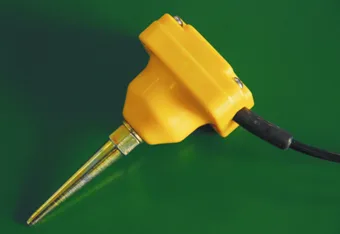
Geophones
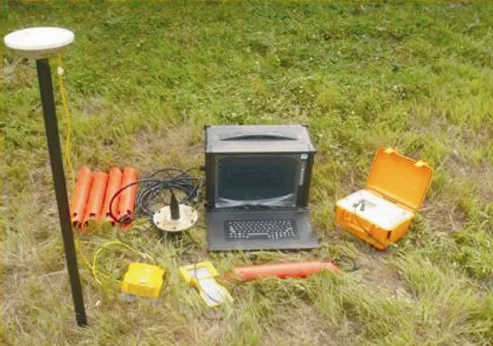
Auxiliary Systems
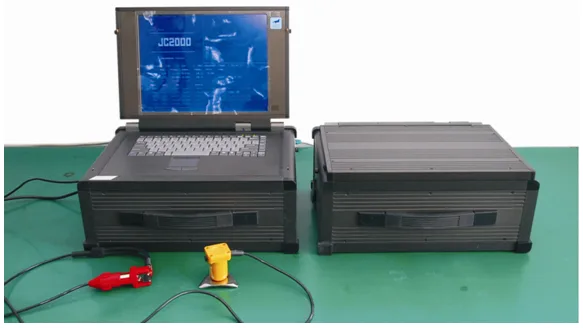
Auxiliary Systems
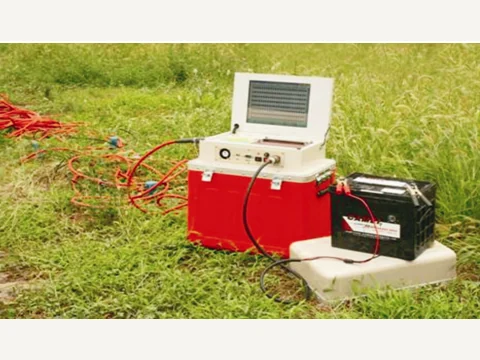
Acquisition system
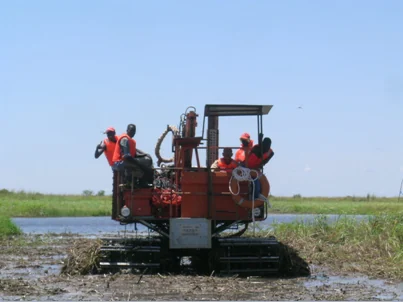
Field transport
Vibroseis where permitting, QHSE rules or proximity to towns rule out explosives, and where the target is deep enough to need a long sweep. The impulse source covers shallow refraction, VSP, micro-logging and coal-bed methane work.
Ground pressure decides whether the truck can work a dune, a swamp edge or a town street without damaging the surface, and traction decides whether it can leave.
Velocity and pressure measured in the same housing allow the receiver ghost to be separated from the data, which is what makes deep-water seabed records usable.
One metre or better at 200 m water depth and up to 5 knots vessel speed, against roughly 2 m for the traditional direct-arrival method.
The seismic recorder manufacturer in the group supplies the recording system and the field boxes, and the sources, geophones and drills on this page are matched to that recorder on the spread.
An engineering seismograph for shallow and civil work is quoted separately from the 24-bit survey recorders, with channel count and filter set by the job rather than by the catalogue.
A desert seismic vehicle carries the spread across sand, and the seismic crew vehicle in the group range is built on a chassis that keeps the payload low and the tyres wide for soft ground.
We quote source and receiver spreads from your survey design, target depth and ground conditions. Our engineers review the sweep and spacing so the recorded band matches the interpretation plan.
Source selection begins with the permit, not with the geology. Where explosives are excluded, vibroseis or an impulse source has to carry the survey, and the sweep parameters then decide whether the target can be resolved at depth. The KZ-28 and KZ-34 differ mainly in ground pressure, stability and chassis, which is what determines whether a dune, a swamp edge or a town street can be worked.
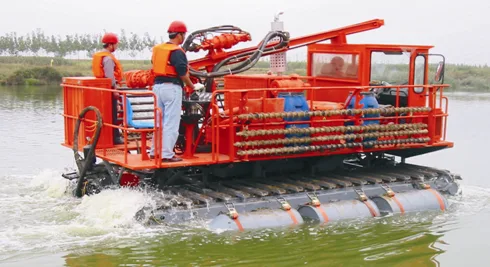
Shot-hole rigs are specified by the ground they have to stand on. The ZCZ-20 carries a 50 m mud and auger capability on a crawler, swamp chassis or boat, and its extended mast takes a 5 m single rod so a spread can be shot without repeated rod changes. We specify the SDZ-80 where the ground cannot carry a vehicle at all: the frame modules are sized for two-person carry or helicopter sling.
Receivers are matched to the recording system and to the water column. A 24-bit recorder needs a sensor with a tight tolerance band and a predictable damping factor; transition-zone work needs a piezo element that survives immersion; deep-water seabed work needs velocity and pressure in the same housing so the receiver ghost can be separated.
Positioning closes the loop. We quote the BPS system where 1 m accuracy matters to the binning, and a geophone tester where element quality has to be proven before the spread goes out rather than after the line has been shot. Our advice on this line is usually about access, because that is what limits the survey before the instrument does.