Water injection is what keeps a mature field alive, and the injection package is usually the last thing modernised and the first thing that limits production.
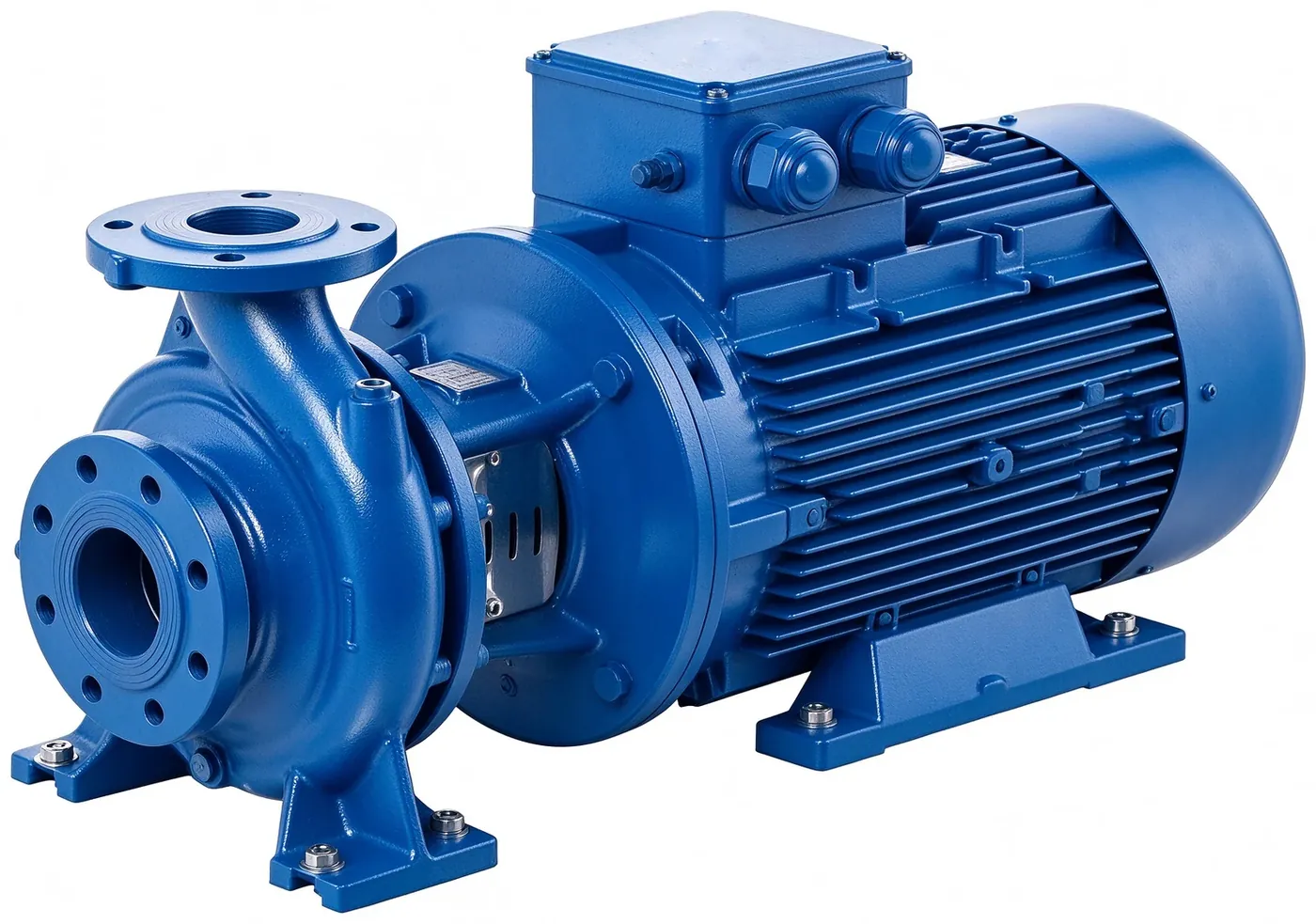
Pressure maintenance through water injection starts with the pump. Centrifugal units suit high rate at moderate pressure and tolerate dirty water better; reciprocating units hold pressure at lower rate and are the choice where the discharge pressure has to stay flat across the stroke. The selection turns on injection pressure, water quality, solids and how much the rate has to vary across the field's life.
Water quality decides the rest of the package: filtration, oxygen removal and chemical dosing all sit upstream of the pump, and a pump sized without them will cavitate or scale. Tank trucks carry the water for pilot floods and remote wellsites, with steam coils where freezing is a risk.
For heavy oil the thermal route is different. Steam injection boilers, stationary or trailer-mounted, generate the steam, and pre-stressed vacuum insulated tubing carries it downhole without losing the latent heat in the annulus. The insulation is what makes the steam arrive as steam rather than as hot water.
Polymer and chemical flooding adds a metering and mixing scope, and the pump materials have to suit the chemistry rather than only the pressure. That is normally settled at enquiry, from the water analysis. Polymer floods change the lift as well: a PCP screw pump handles viscous, sand-laden produced fluid where a beam unit would wear the rod string out.
We size the pump around the water analysis rather than the pressure alone, because a pump that scales in a season costs more than a larger one that does not. Our engineers review the flood design with the reservoir team, we match the insulated tubing to the boiler, and we follow the injector through its first scale check. Water injection packages are sized on the analysis you send, so the pump is chosen against the water rather than against the pressure alone. We also hold the wear parts for the first year of operation.
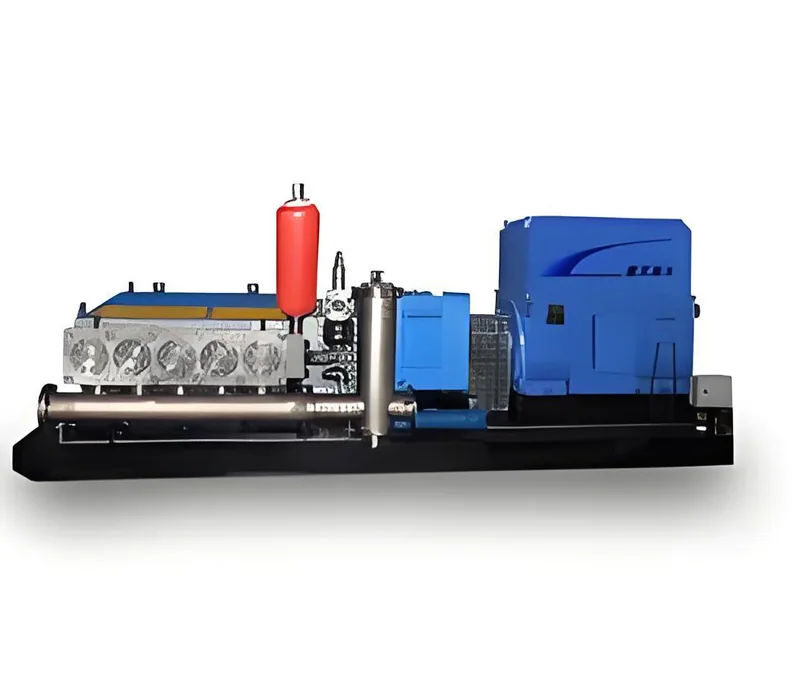
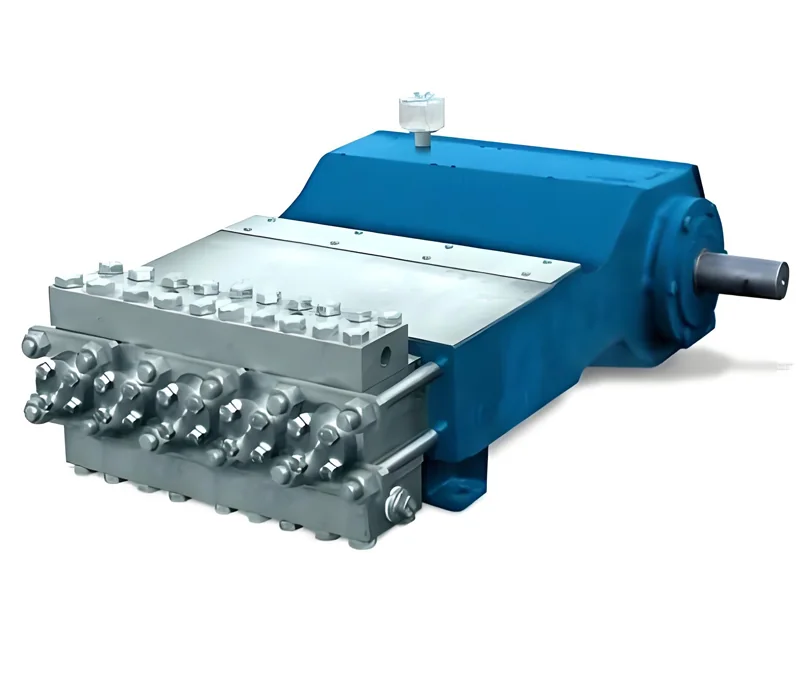
Centrifugal where rate is high and pressure moderate, and where the water carries some solids; reciprocating where the discharge pressure has to be held flat at lower rate. The wrong choice usually shows up as vibration or as rate falling away as filters load.
Without insulation the steam loses latent heat to the annulus on the way down and arrives as hot water, which transfers far less energy to the oil. Pre-stressed vacuum insulated tubing is what keeps the steam quality at the sand face.
The pump can, but the materials and the metering have to be chosen against the chemistry. Polymer solutions are shear-sensitive, so the pump type and the piping layout are part of the decision.
Downhole Lift and Thermal carries the main duty, Cementing Equipment covers the pressure side, and we quote the three as one scope where they meet on a location.
Product line
Product line
Product line
Product line
Water injection is what keeps a mature field alive, and the injection package is usually the last thing modernised and the first thing that limits…