Most lost rig days are not caused by a broken machine. They are caused by a part that was not on site when the machine broke.
The parts that stop a rig are predictable: liners, pistons, valves and seats on the fluid end; filters, injectors and turbocharger cartridges on the engine; sealing elements and ram blocks on the preventer. None of them are expensive. All of them are urgent when they fail. Refinery side the same logic applies to an FCC slide valve: the disc and the seat ring wear as a pair and are stocked as one line.
We kit parts against the rig rather than against the order, so a package ships with the wear parts that the maintenance schedule will actually consume in the next interval. That is the difference between a stock room that works and a shelf of parts nobody needs. Consumables sit on the same list: a drill bit is ordered against the formation and the next hole section, not against a catalogue number.
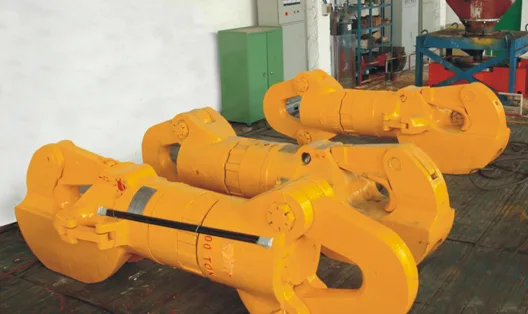
For mixed fleets the commonality helps: the 190 series shares liners, pistons and valve train across land and marine builds, and the traveling block and crown block share sheave and bearing designs, so one stock line covers both.
Lead time is stated at quotation, with the shipping route and the customs documents that go with it. Where a part is out of stock, the alternative is stated rather than left open.
We kit parts against the rig's maintenance interval, so the stock room matches what the crew will consume. Our parts lists stay with the delivered unit, we quote from the assembly rather than a photograph, and we flag any substitution before it ships.
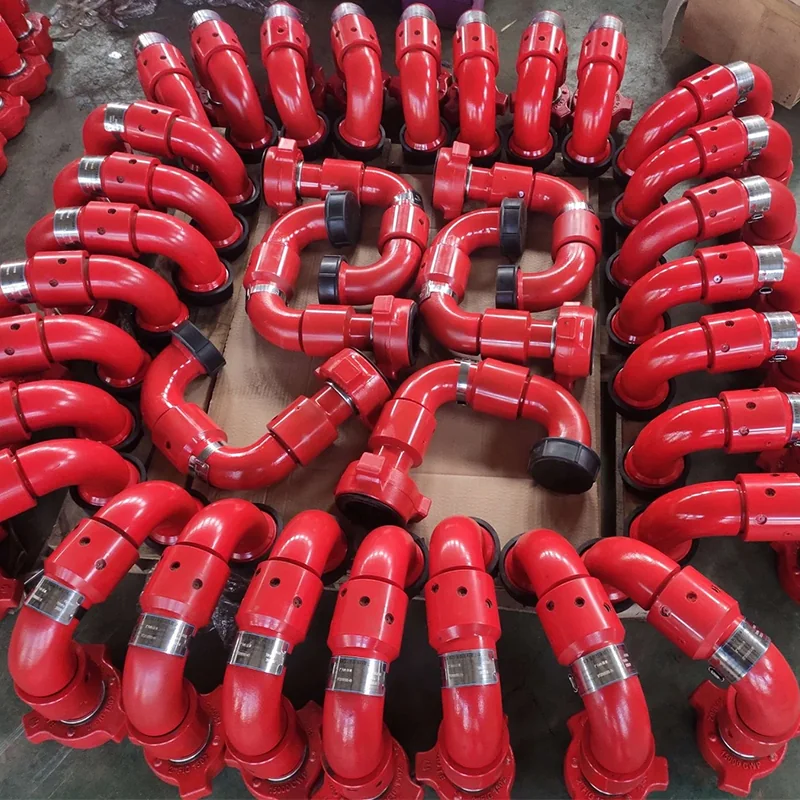
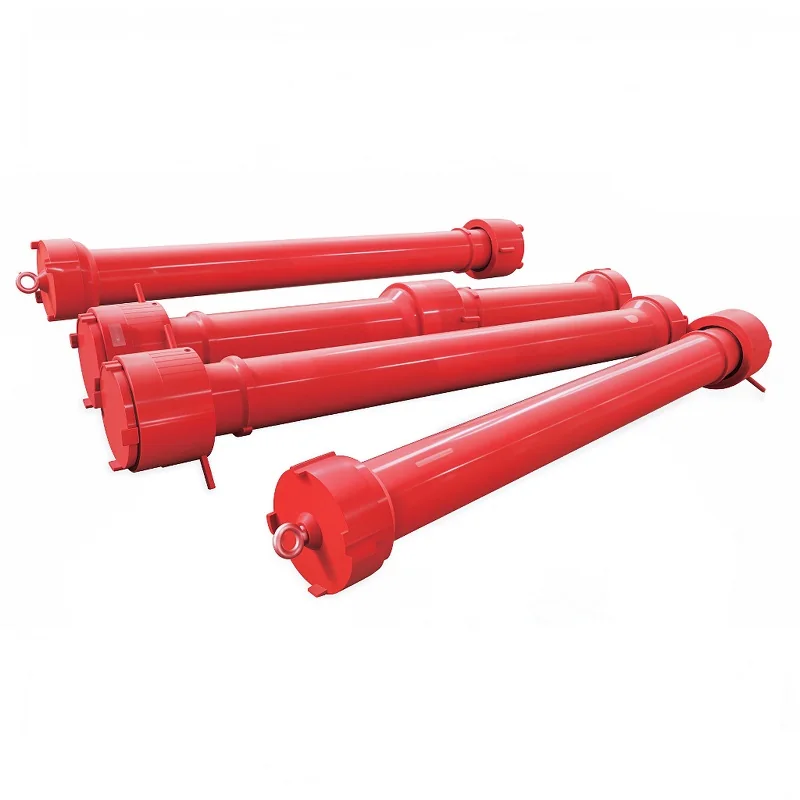
Usually, yes. The nameplate carries the model and serial number, and that is normally enough to identify the assembly and its parts list. Where the plate is missing, dimensions and photos of the part itself are needed.
Common wear parts for current models are held; older models are made to order. Availability is stated at quotation rather than assumed.
Within a model family, often; across families, rarely. The parts list for the specific model is the reference, and the quotation names the model it fits.
Service
Service
Contact
Model