On a pad drilling programme the rig does not drill one well and leave. It drills the same well eight times, and every hour spent moving between slots is an hour the spread costs and does not earn.
That is the whole argument for a walking substructure. The rig moves between well slots on its own walking system, without a crane, a skidding contractor or a tear-down, so the batch sequence runs slot after slot. On pads above six wells the extra capital usually pays back inside the first campaign, through rig-move days that never happen.
The drive matters as much as the walking gear. AC variable-frequency drive holds torque at low speed and keeps weight on bit steady through connections, which is what makes a batch programme finish inside its window. Mechanical rigs still make sense on single shallow wells, where the move cost is small and the pad does not exist.
The pad also changes the fluid side. Mud pits, solids control and the pump skid are laid out for repeated moves rather than for one location, and the pipe handling has to work with the catwalk position between slots instead of being re-rigged each time.
This is a planning exercise before it is an equipment order: slot spacing, walking direction, conductor layout and the batch order decide the substructure, the mast and the pipe handling, and they are settled at enquiry rather than after the rig arrives. Slot spacing is settled first, but the trajectory is settled with it, and a CGDS near-bit geosteering system keeps the lateral inside the target while the batch order stays unchanged.
We plan the walking sequence with the drilling programme rather than after the rig arrives, because slot spacing decides the substructure before the mast does. Our engineers walk the first pad with the crew, we set the control parameters for the walking system, and we hold cylinders and seals for that design. Pad drilling starts as a planning exercise, and we price it as one because the slot layout settles the substructure.
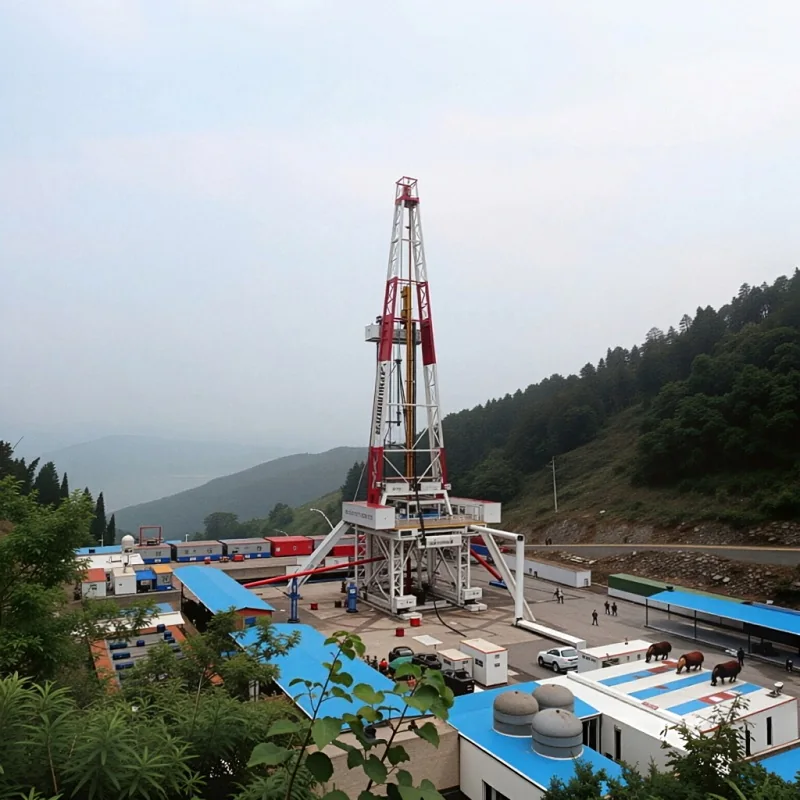
Above six wells on one pad the move days start to dominate the spread cost, and the walking system usually pays back inside the first campaign. Below that, a conventional substructure with a crane move is often cheaper overall.
It can. The mast has to work with the pipe handling layout between slots, and the transport height stops being the constraint once the rig stops travelling between locations.
The substructure can be replaced, but the drive and the pipe handling usually follow. A partial conversion often costs more than the move days it saves, so the case is checked against the campaign length before the work starts.
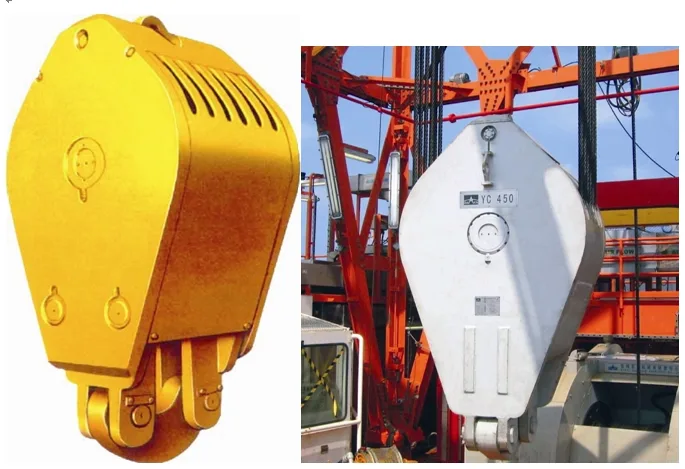
Drilling Equipment carries the main duty, Traveling Blocks covers the pressure side, and we quote the three as one scope where they meet on a location.
Product line
Product line
Product line
Product line
Model
Model
On a pad drilling programme the rig does not drill one well and leave. It drills the same well eight times, and every hour spent moving between slots…