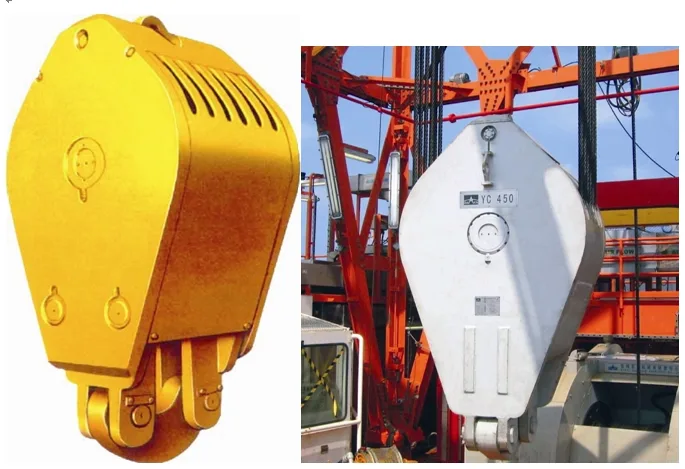
When a rig is down, the useful question is not what failed but what gets it running again soonest.
The first response is triage: photographs, alarm codes and the sequence of events, reviewed by an engineer who knows the model. That usually separates a part failure from an installation or control problem before anyone travels, which is what stops a day being lost to the wrong person flying out.
If it is a part, the question becomes stock: what is held, what can ship today, and what is the fastest route to the location. If it is a control or installation problem, the answer is usually a remote walk-through of the logic and the settings, with a service engineer mobilised only if that does not resolve it.
Live-well situations take priority over scheduled work, and the response route — who is called, in what order, and what the customer must provide for site access — is agreed in the contract before it is needed. A live-well call is sometimes answered with a coiled tubing unit rather than a rig, when circulation is the whole job.
The incident closes with a report: cause, action taken, parts consumed and the recommendation that prevents the repeat. That report is also the input to the warranty assessment when the failure falls inside the term.
We triage from photographs and alarm codes before anyone books a flight, because the wrong engineer on site costs a day. Our incident report states the cause and the recommendation, we feed it into the warranty file, and we agree the escalation order in the contract.
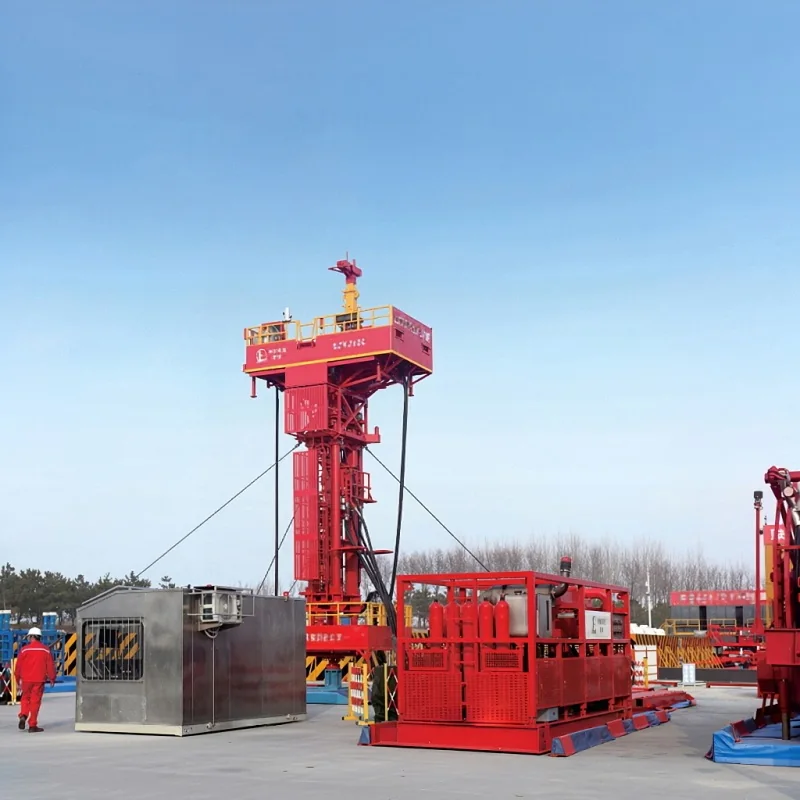
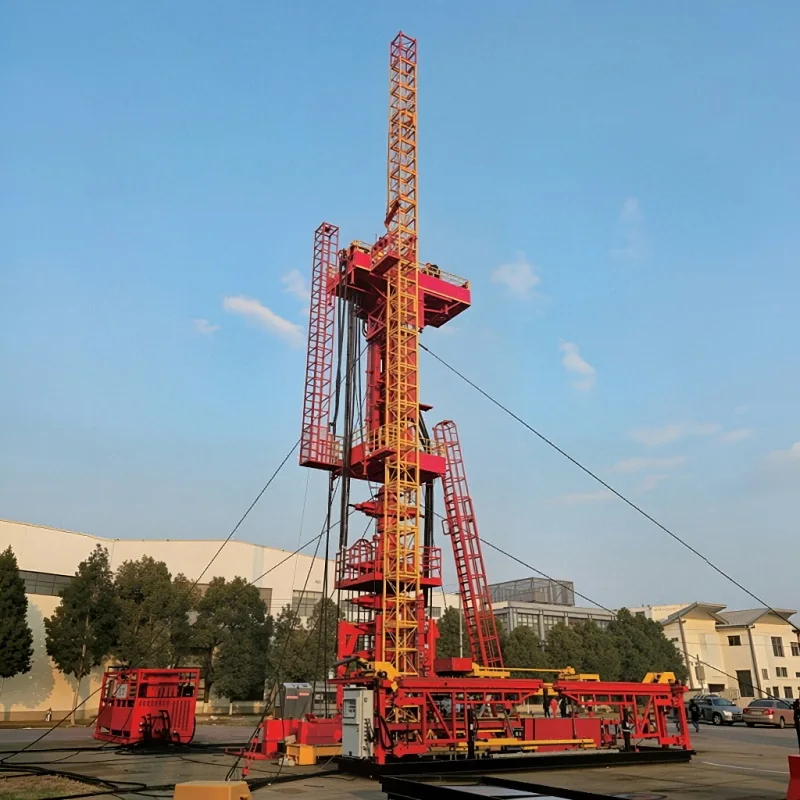
The service desk is staffed during China business hours, and the escalation route for live-well incidents is agreed in the contract so the right person is reachable outside them. We state what is actually covered rather than promising a number that rings nowhere.
Where the failure pattern is unambiguous and the customer accepts the risk, yes. Otherwise triage comes first, because shipping the wrong part costs more time than it saves.
It depends on whether the failure is inside the warranty term. The contract states the rule, and the incident report records the cause that the decision rests on.