
The certificate matters as much as the equipment, because the equipment does not go on the well until the file is closed.
Testing is scheduled against the delivery date rather than after it. Function tests on preventer stacks, pressure tests on the fluid end and non-destructive examination on load-carrying parts all produce records that travel with the unit: test pressure, hold time, instrument number, witness signature. Rotating equipment is tested the same way before it ships: on a flue gas expander the overspeed trip, the vibration signature and the rotor record all go into that pack.
Where the contract requires a third-party witness, the inspection is coordinated rather than left to the customer: the inspector is booked against the test date, the drawings and procedure are issued in advance, and the punch list is closed before shipment instead of on site.
The company holds the API monogram for 57 product types across 16 categories, and the monogram is applied where the specification calls for it. That is a manufacturing claim, not a marketing line, and it is checked against the scope at quotation.
For sour service, the material certificates and the NACE-compliant trim are part of the same pack, so the operator can show traceability from heat number to installed component. For sour wells the same traceability covers the drilling jar: the mandrel and the seal are certified to the NACE requirement and the heat number is on the record.
We book the third-party inspector against the test date and issue the procedure in advance, so the witness visit is a verification rather than a discovery. Our records name the instrument, the hold time and the witness, we close the punch list before shipment, and we keep the certificates with the shipment.
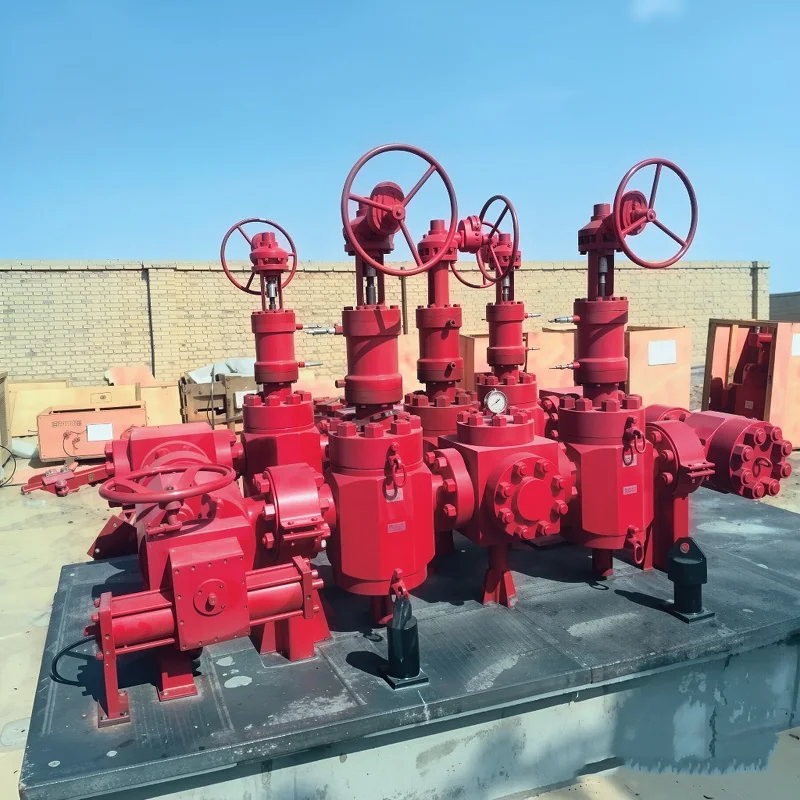
Yes. The inspector is booked against the test date and the drawings and procedure are issued in advance, so the witness visit is a verification rather than a discovery.
It is applied where the specification calls for it, across 57 product types in 16 categories. The exact scope for a given item is confirmed at quotation rather than assumed from the product name.
Yes, and the units and acceptance criteria follow the standard named on the order, so the record can be read against the same document the operator is using.