
A rig that is mechanically sound but electrically obsolete is usually cheaper to convert than to replace, provided the conversion is scoped against the drive train rather than the switchboard alone.
The most common retrofit is SCR to AC variable-frequency drive. The drawworks, rotary and mud pump motors change, the switchboard changes, and the control logic changes with them, so the scope is the whole drive train rather than a panel swap. What the operator gets is torque at low speed, steadier weight on bit and a smaller electrical footprint on the deck. In many cases the starting point is a DC electric drilling rig whose SCR house is at the end of its life, which is why the conversion is quoted as a drive-train scope.
Control retrofits are smaller and more frequent: replacing relay logic with PLC control, adding drilling instrumentation, or bringing an older driller's cabin up to the layout the crew already knows from a newer rig.
Walking system retrofits turn a conventional substructure into a pad-capable one. That is a structural scope with a hydraulic and control scope attached, and it is normally evaluated against the campaign length rather than against the price of the walking gear alone.
ESP and cable upgrades are the production-side equivalent: a higher-temperature cable, a different seal section or a surface package that matches a new motor, when the well has changed but the string has not.
We survey the drive train before we price the conversion, because a switchboard swap that leaves the motors matched to the old philosophy solves nothing. Our engineers build and test the new panels before the rig goes down, and we commission inside the agreed downtime block.
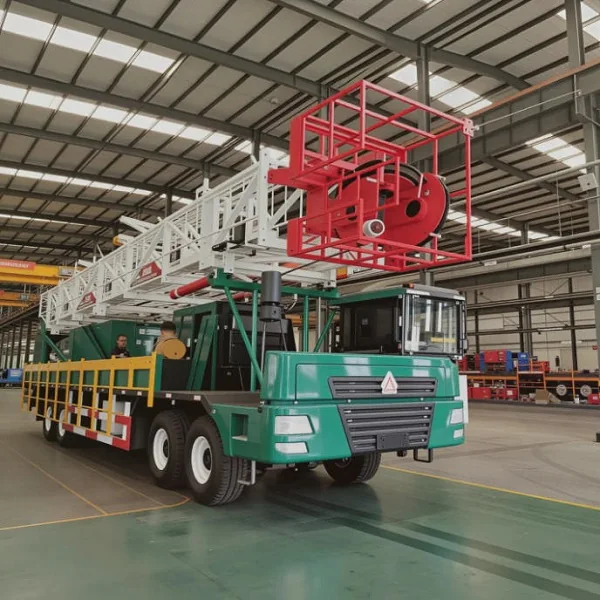
Both, plus the control logic. The motors, the switchboard and the control have to be treated as one scope; changing only the panel leaves the drive train matched to the old philosophy.
It can, but the conversion reaches the drawworks, the rotary and the pumps, so it is usually compared against a new package rather than priced as an upgrade.
By building and testing the new panels and skids before mobilisation and sequencing the installation into the shortest block the scope allows, agreed with the drilling programme.
Service
Product line
Contact