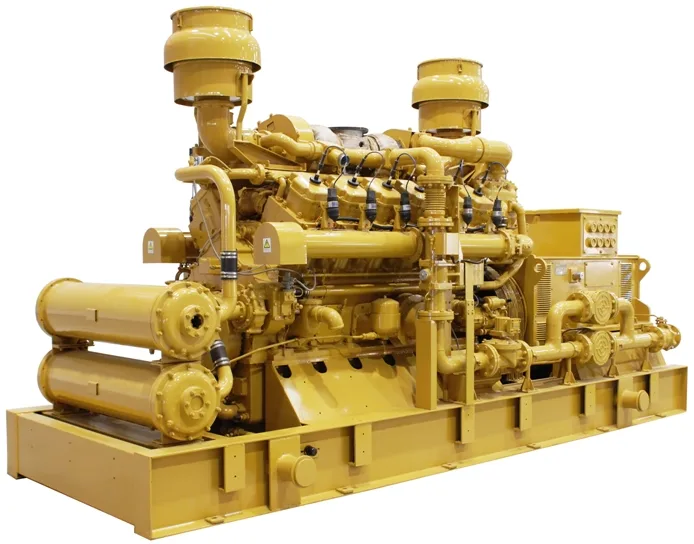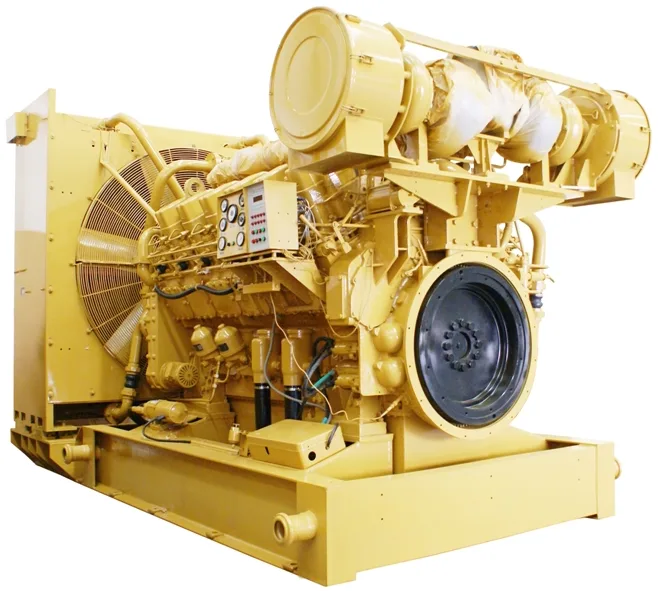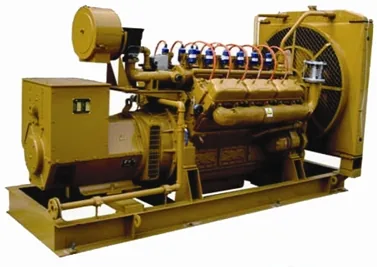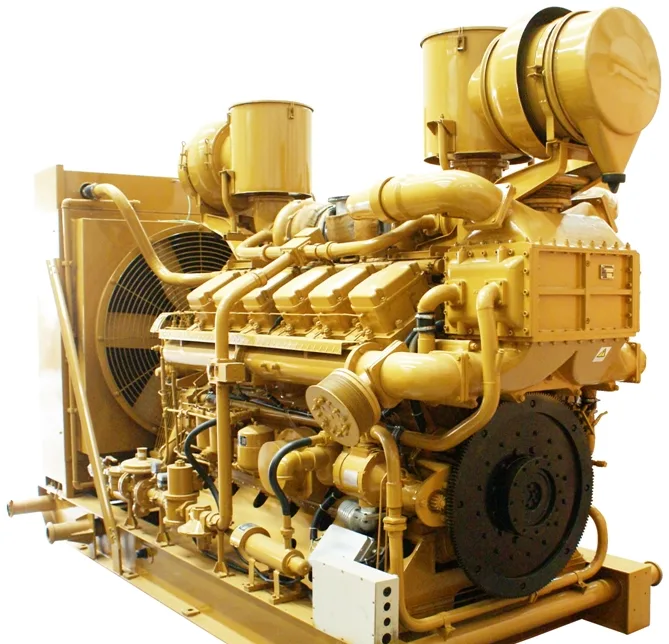
We size a rig power package by the connected load plus the starting margin, then split it into units that survive the loss of one.
Add the connected load first: drawworks, mud pumps, top drive, rotary table, and the auxiliary load of the mud treating and lighting circuits. A 1,500 m land rig with two 1,300 kW pumps, a 750 kW drawworks and 400 kW of auxiliaries carries about 3,750 kW connected, but it never runs all of it at once. The design load is the simultaneous maximum: both pumps at 60 percent, drawworks at hoisting peak, auxiliaries at full, which lands near 2,400 kW.
Then apply the starting margin and the redundancy rule. Motors on a rig are started under load, and a 400 kW motor draws three to five times its rating for two to four seconds. The rule we work to is: installed capacity at least 1.25 times the design load, split across units so that losing the largest one still leaves the design load covered.
| Rig class | Drawworks, kW | Mud pumps, kW | Installed, kW |
|---|---|---|---|
| 1,000 m truck mounted | 400 | 2 x 500 | 1,400 - 1,600 |
| 2,000 m land | 750 | 2 x 800 | 2,600 - 3,000 |
| 3,000 m land | 1,100 | 2 x 1,300 | 3,800 - 4,400 |
| 5,000 m land | 1,500 | 3 x 1,300 | 5,600 - 6,400 |
| Offshore module | 1,100 | 2 x 1,000 | 3,400 - 4,000 |
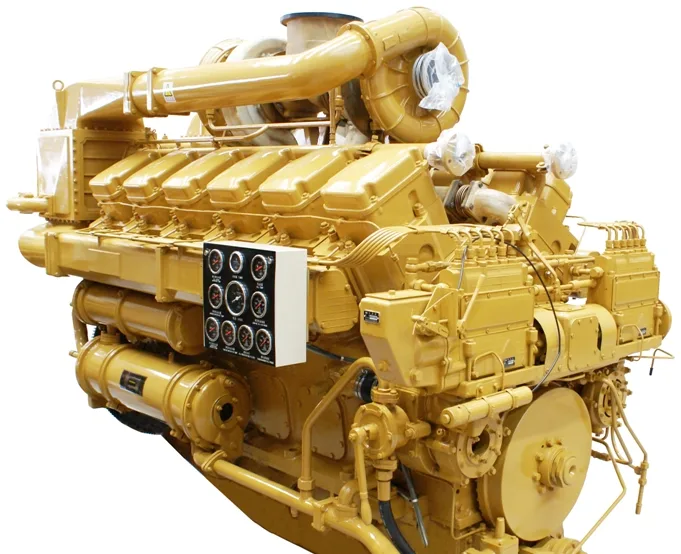
For us, diesel or gas is a fuel logistics question before it is an engine question. A 1,000 kW diesel genset burns about 210 g/kWh, which is roughly 200 L/h at full load; a rig running two units for 20 hours a day needs a fuel truck every day or two. Gas removes the truck but adds a supply line and a compression or pressure reduction station, and it locks the rig to the field.
The comparison page on diesel and gas generator sets puts the same decision on fuel cost, load response, maintenance interval and portability. In practice the answer is dual fuel on fields with an unreliable gas supply, and straight gas where the field has a firm supply and the rig does not move.
Design load. We apply the factor to the connected load oversizes the package by 30 to 40 percent and the units then run at low load, which is worse for fuel consumption and maintenance than a correctly sized package.
Three units of 1,000 kW, giving N+1. Two units of 1,200 kW also covers the load but leaves no margin when one is down for service.
Straight gas where the field supply is firm and the rig stays on one block; dual fuel where the gas supply is intermittent or the rig moves between fields with and without gas.
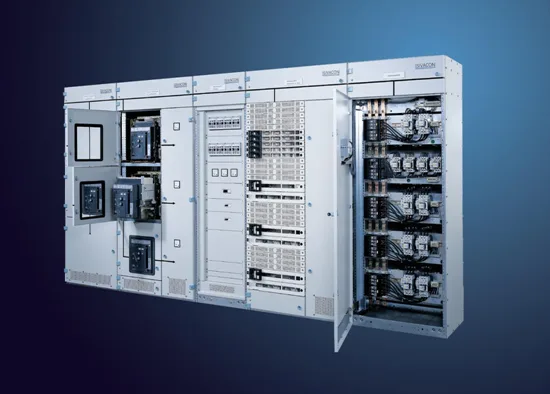
600 V for the motors and 480 V for auxiliaries is common in North America; 690 V and 400 V in Europe and Asia. The switchgear and the VFD have to match the site standard, not the rig builder's preference.
We size a rig power package by the connected load plus the starting margin, then split it into units that survive the loss of one.