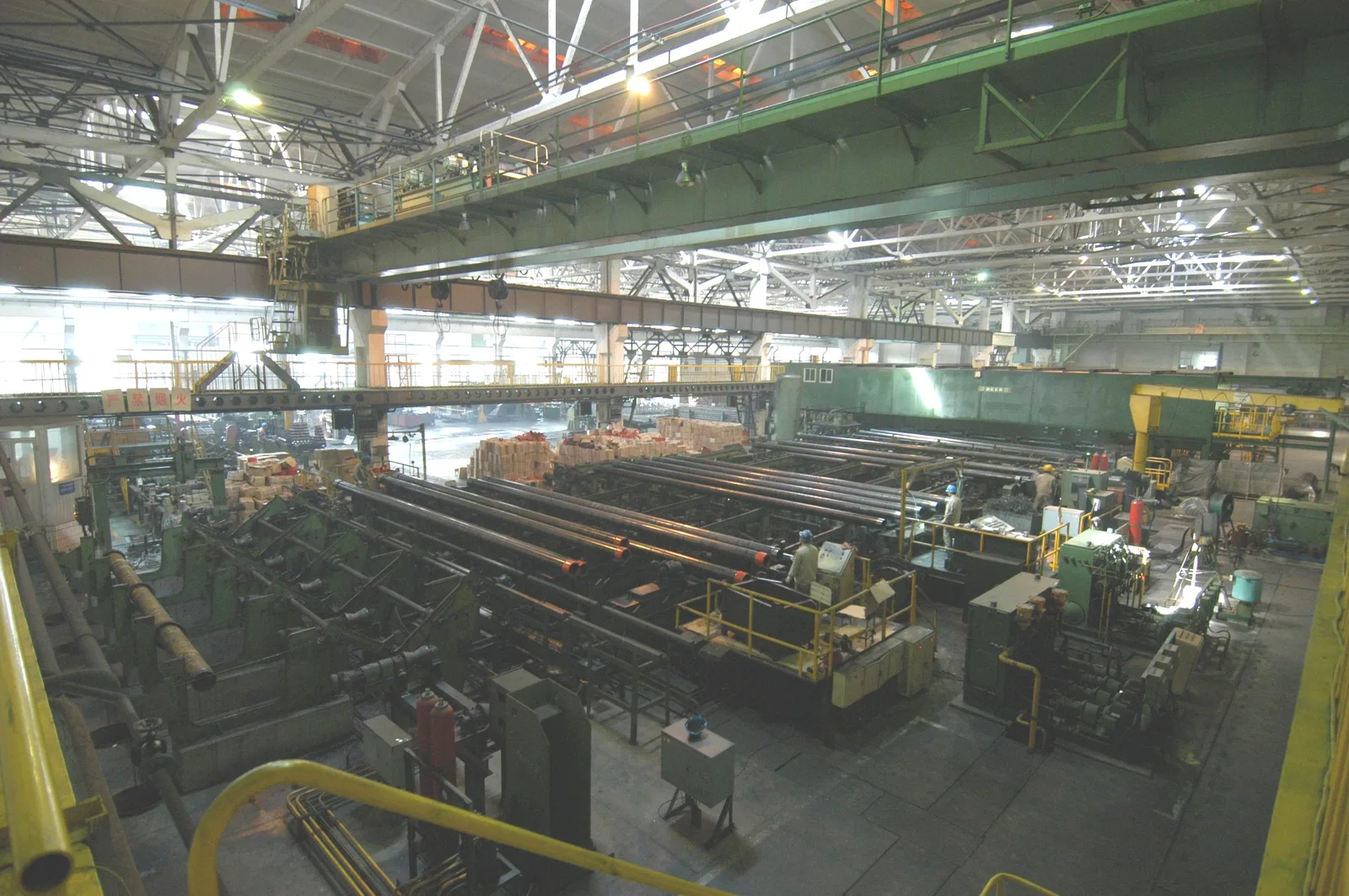
The grade sets the yield strength we design against and, through it, the wall thickness the string needs. Sour service removes some grades entirely, whatever the strength.
API 5CT grades run from H40 to Q125 in yield strength, and the choice is usually made at the top joint where tension is highest and at the shoe where collapse is highest. A higher grade allows a thinner wall for the same load, which reduces string weight and cost, but it also reduces collapse resistance for the same wall and it may be excluded by sour service.
The sour service rule cuts across the strength ladder. Above 0.05 psi H2S partial pressure, NACE MR0175 applies a hardness limit that excludes the as-rolled N80 and P110 grades in most sizes. L80, C90 and T95 are produced to meet that limit; Q125 is generally not used in sour service at all.
| Grade | Yield, ksi | Sour service | Relative cost | Typical use |
|---|---|---|---|---|
| H40 | 40 | no | lowest | shallow surface casing |
| J55 | 55 | no | low | standard casing and tubing |
| K55 | 55 | no | low | casing where collapse governs |
| N80 | 80 | no, restricted in sour | medium | deeper wells, moderate pressure |
| L80 | 80 | yes, NACE 1 | medium to high | sour casing and tubing |
| C90 | 90 | yes, NACE 1 | high | sour service, higher load |
| T95 | 95 | yes, NACE 1 | high | sour service, high collapse |
| P110 | 110 | no | high | deep, high pressure, sweet |
| Q125 | 125 | no | highest | extreme depth, special order |
We do not compare grades on price per tonne alone. The comparison that matters is cost per metre of completed string at the required load: a P110 string with a thinner wall can be cheaper than an N80 string with a thicker wall, and a L80 string can be more expensive than either because of the heat treatment and the certificate.
Whatever the grade, we check the certificate against three fields: the grade and heat number, the impact test temperature, and the hydrostatic test pressure and duration. On a sour string, our inspection group asks for the NACE compliance statement and the hardness test result. Those four lines are what the audit asks for first.
Model
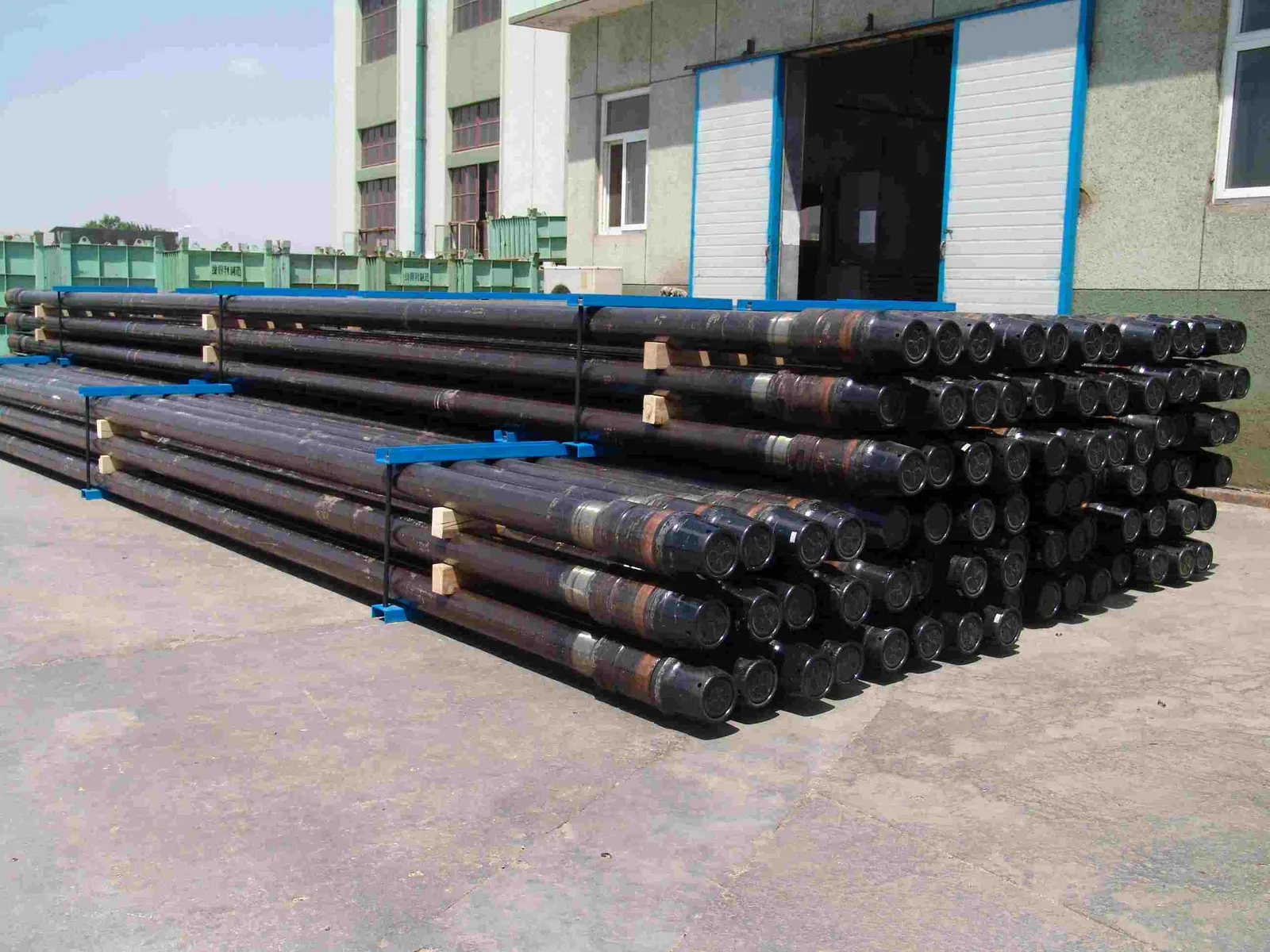
Model
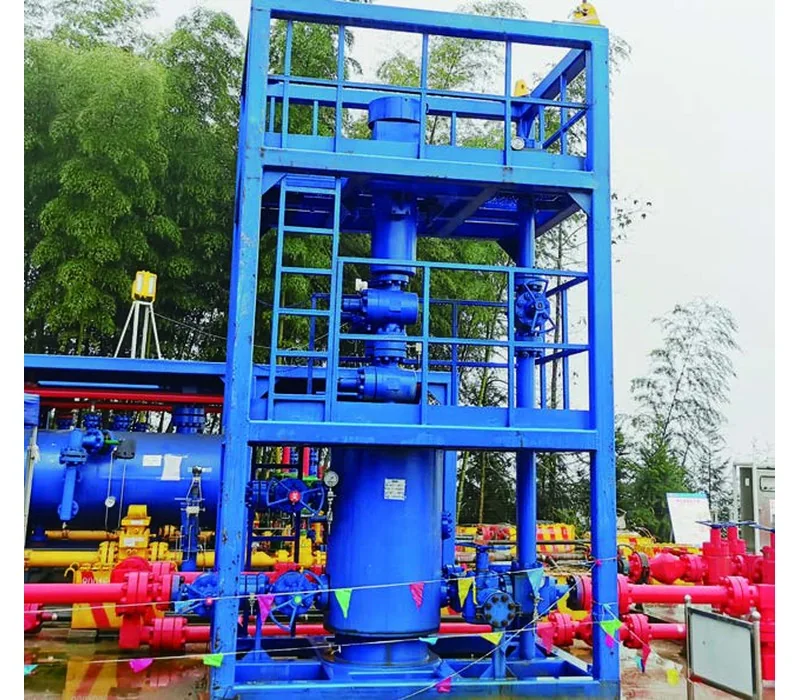
Application
Application
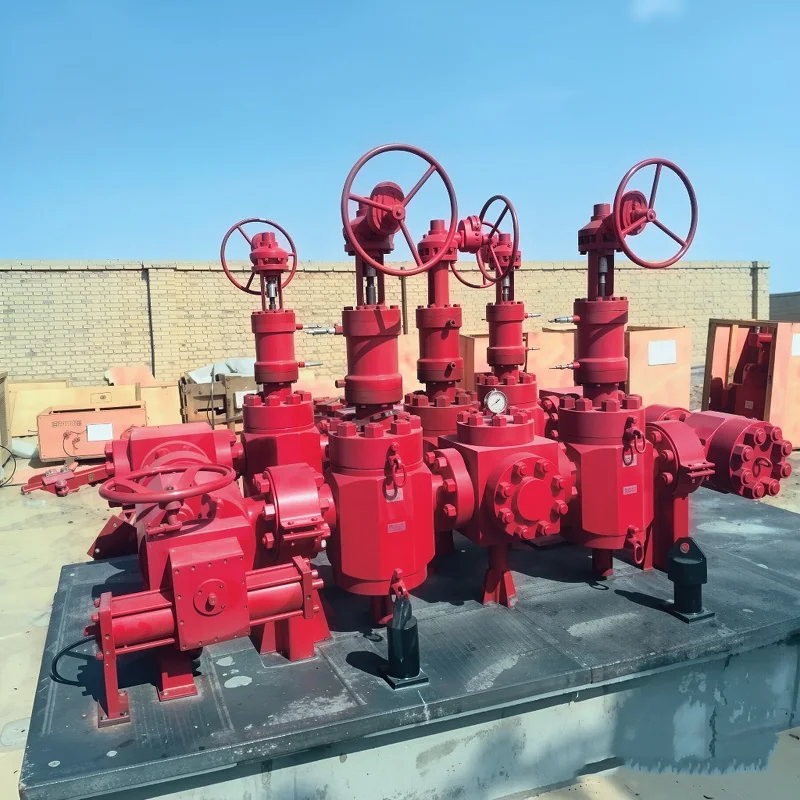
Service
Only in the restricted-yield, quenched and tempered form that meets the NACE hardness limit, and it is not a standard delivery condition. For a sour string, L80 is the straightforward answer.
Not in the standard grade. Above 0.05 psi H2S the NACE hardness limit is exceeded, and the string has to move to L80, C90 or T95.
It saves wall thickness and weight, so the string cost can fall even at a higher price per tonne. It does not save on collapse, which is a function of wall thickness rather than yield.
P110 on the production string is the usual choice, with the top joint checked for tension and the shoe checked for collapse against the evacuation case.
The grade sets the yield strength we design against and, through it, the wall thickness the string needs. Sour service removes some grades entirely…