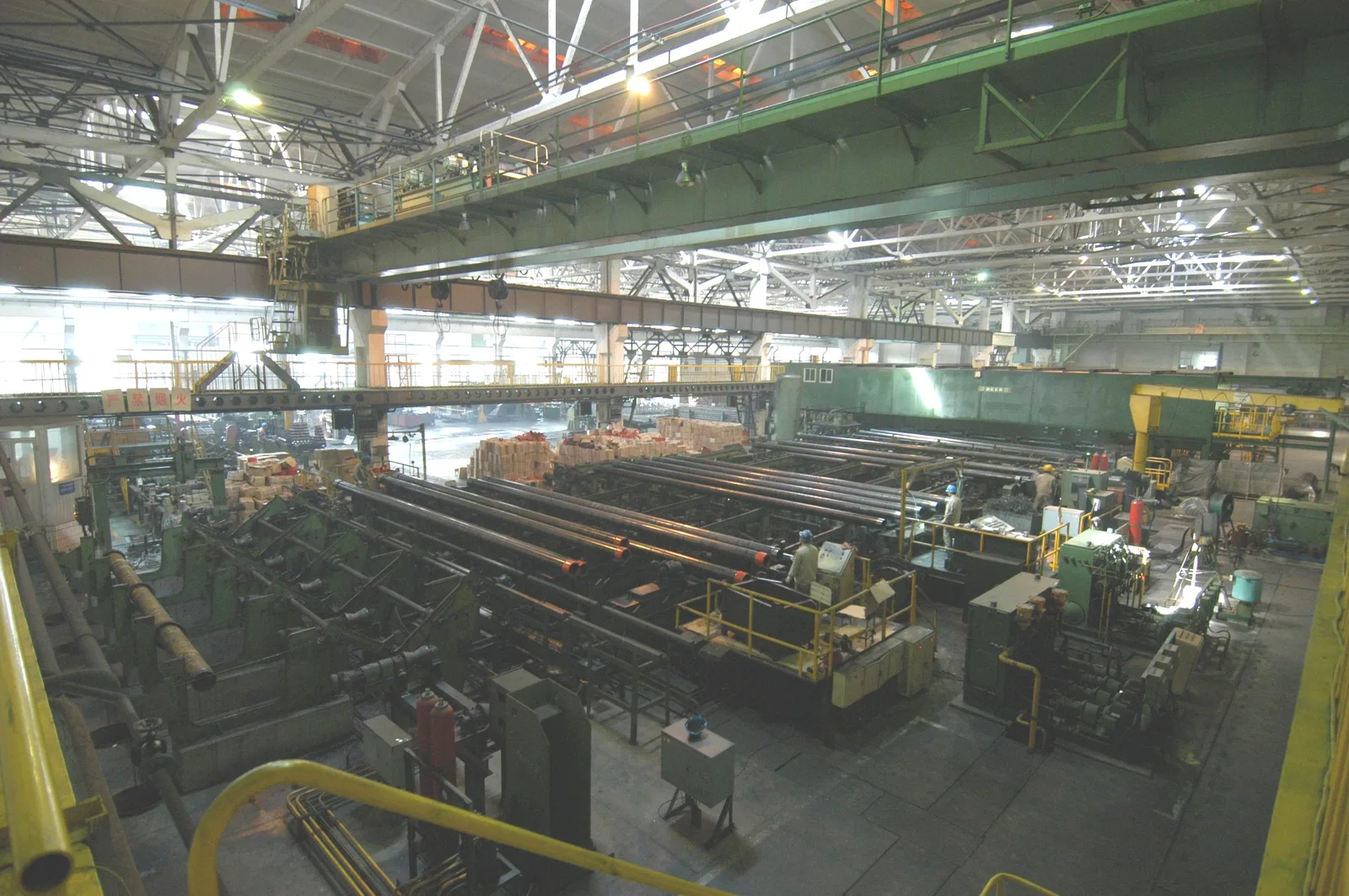
We select tubulars on three loads and one environment: burst, collapse, tension, and whether the fluid is sour. The grade and the connection follow from those.
Design the string against burst, collapse and tension, in that order of consequence. Burst is set by the maximum shut-in pressure at the shoe; collapse by the hydrostatic head when the string is evacuated; tension by the string weight plus overpull. Each gives a minimum wall thickness for the chosen grade, and the three do not always agree: a deep string is usually tension-critical at the top and collapse-critical at the bottom.
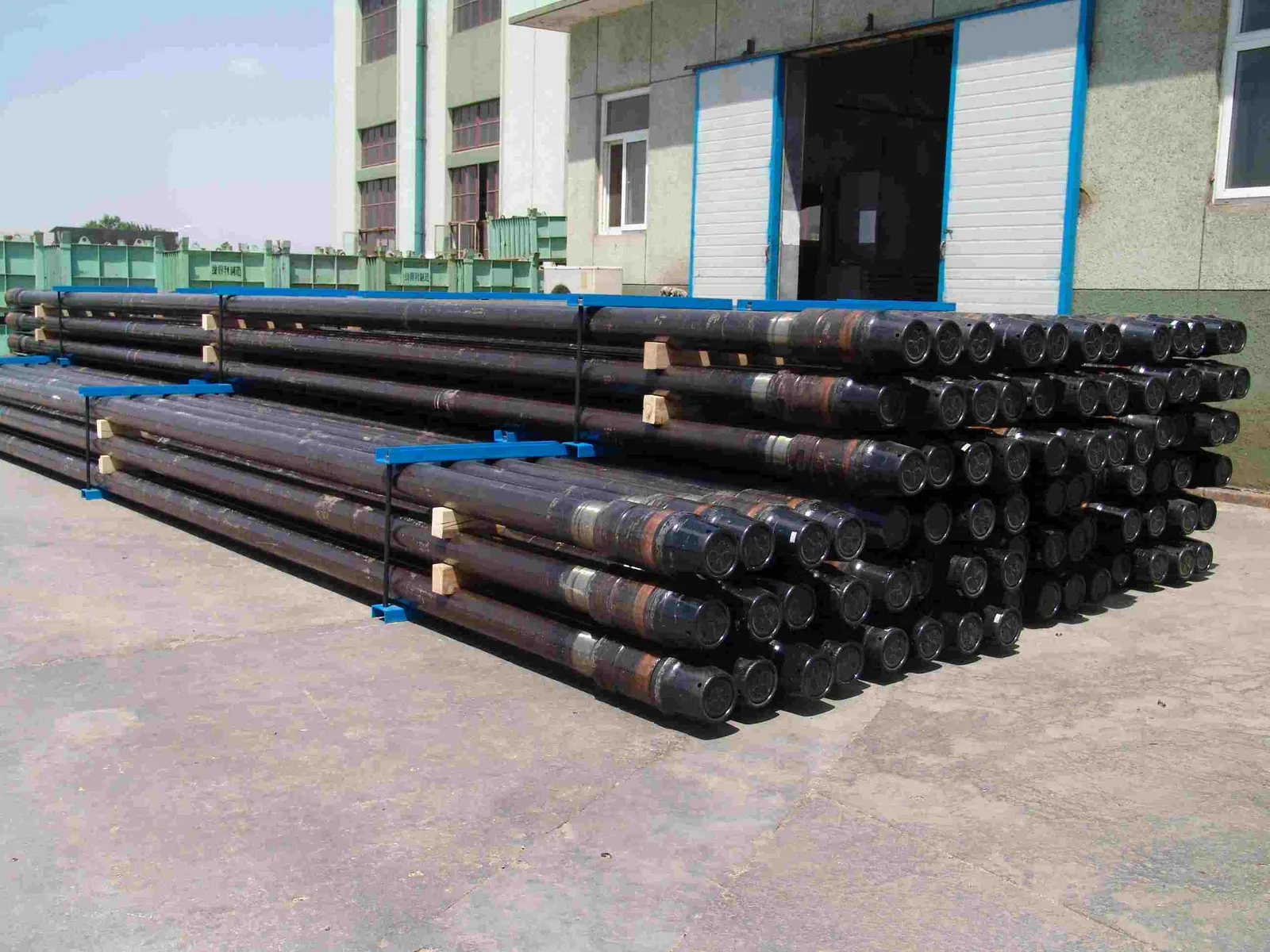
Grade selection is a strength decision with an environment override. J55 and K55 are the workhorse grades for shallow and moderate wells; N80, L80 and P110 carry deeper and higher pressure strings. L80 is the grade normally chosen for sour service because it is available in a restricted-yield, quenched and tempered condition that meets NACE hardness limits without a special order.
| Grade | Yield strength, ksi | Typical service |
|---|---|---|
| H40 | 40 | shallow casing, low pressure |
| J55 | 55 | standard casing and tubing |
| K55 | 55 | standard casing, higher collapse |
| N80 | 80 | deeper wells, higher pressure |
| L80 | 80 | sour service, NACE compliant |
| C90 | 90 | sour service, higher strength |
| T95 | 95 | sour service, high collapse |
| P110 | 110 | deep and high pressure |
| Q125 | 125 | extreme depth and pressure |
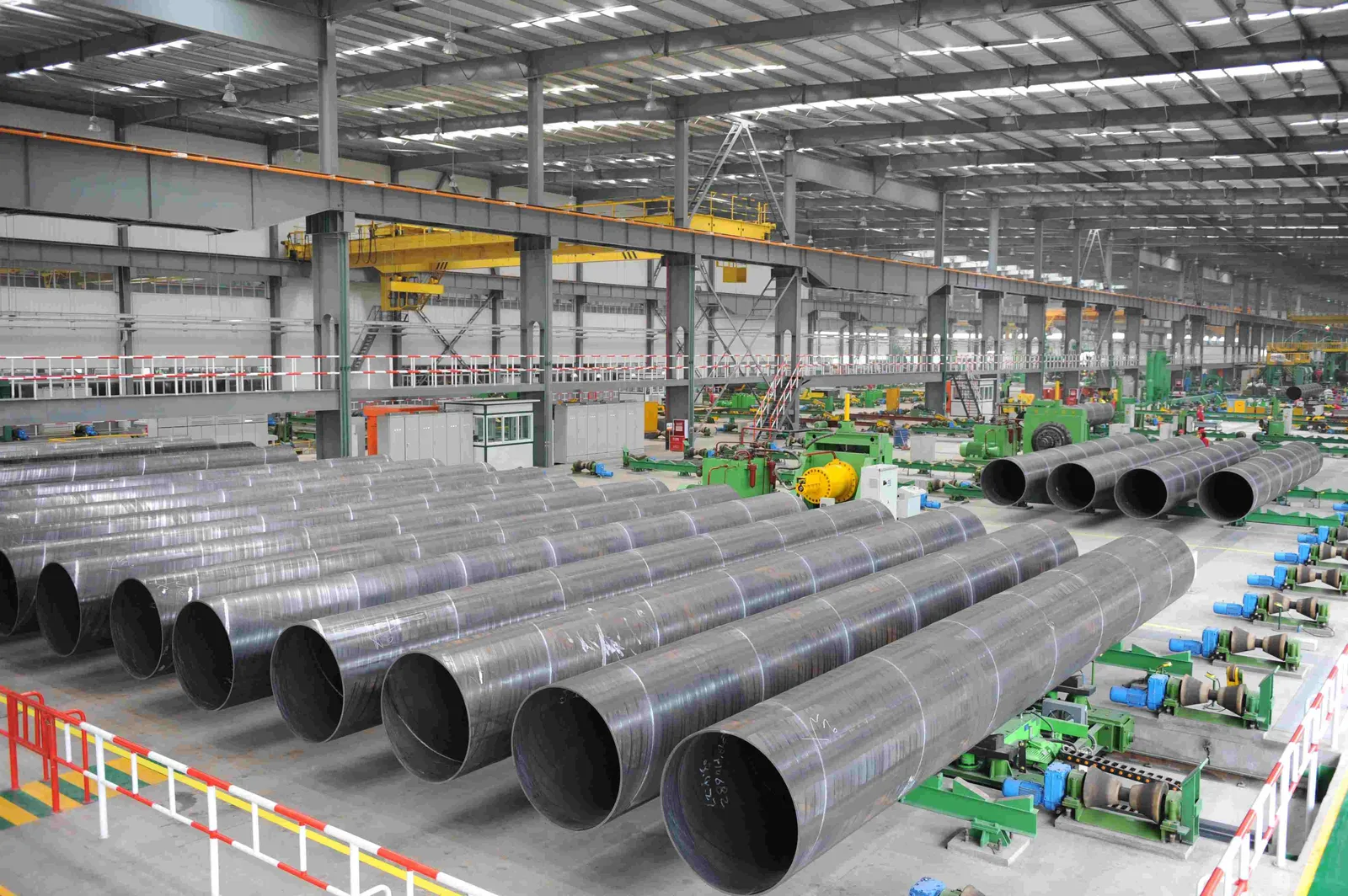
Line pipe is a different standard and a different decision. API 5L pipe for flowlines and gathering is selected on pressure class, diameter-to-thickness ratio and the welding process: spiral saw welded for large diameter at moderate pressure, longitudinal saw welded (LSAW) for higher pressure and larger wall, high-frequency welded (HFW) for smaller diameter and tighter tolerance. The three processes are not interchangeable on a high pressure gas line.
We ask for the mill test certificate before the pipe leaves the mill, and check three fields against the order: grade and heat number, the impact test temperature, and the hydrostatic test pressure and duration. Our inspection group rejects a certificate that lists the grade without a heat number, because the heat cannot then be traced back to the coil, and that is the first thing an audit asks for.
Model
Model
Model
Model
Application
L80 is the choice we supply as standard because it meets the NACE MR0175 hardness limit in its normal delivery condition. C90 and T95 are used where the collapse or tension load exceeds what L80 can carry.
8-round threaded and coupled for moderate pressure and vertical wells; premium connections with a metal-to-metal seal where the well is deviated, the pressure is high, or gas tightness is required.
It follows from Barlow's formula against the API 5CT rating: pressure times diameter divided by twice the wall, with the grade's yield and a design factor of 1.1 or lower. The rating table is the check, not the formula alone.
Only within the pressure and diameter limits of the standard. For high pressure gas lines, LSAW with an appropriate wall and a full hydrostatic test is the normal choice.
We select tubulars on three loads and one environment: burst, collapse, tension, and whether the fluid is sour. The grade and the connection follow…