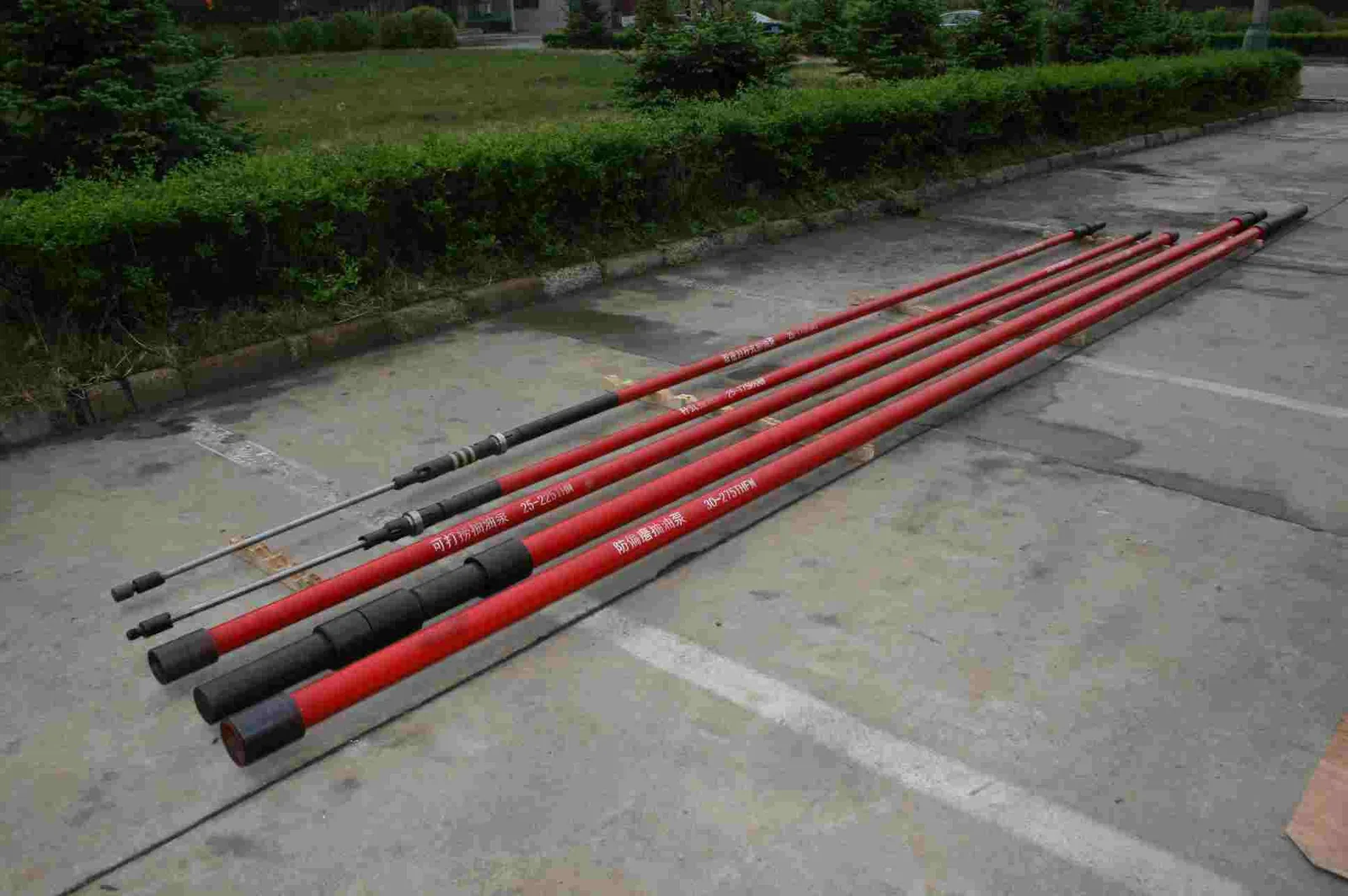
We treat lift selection as a rate-and-depth problem first, and a fluid-property problem second. The method that fits the rate and the depth is then tested against sand, gas and workover cost.
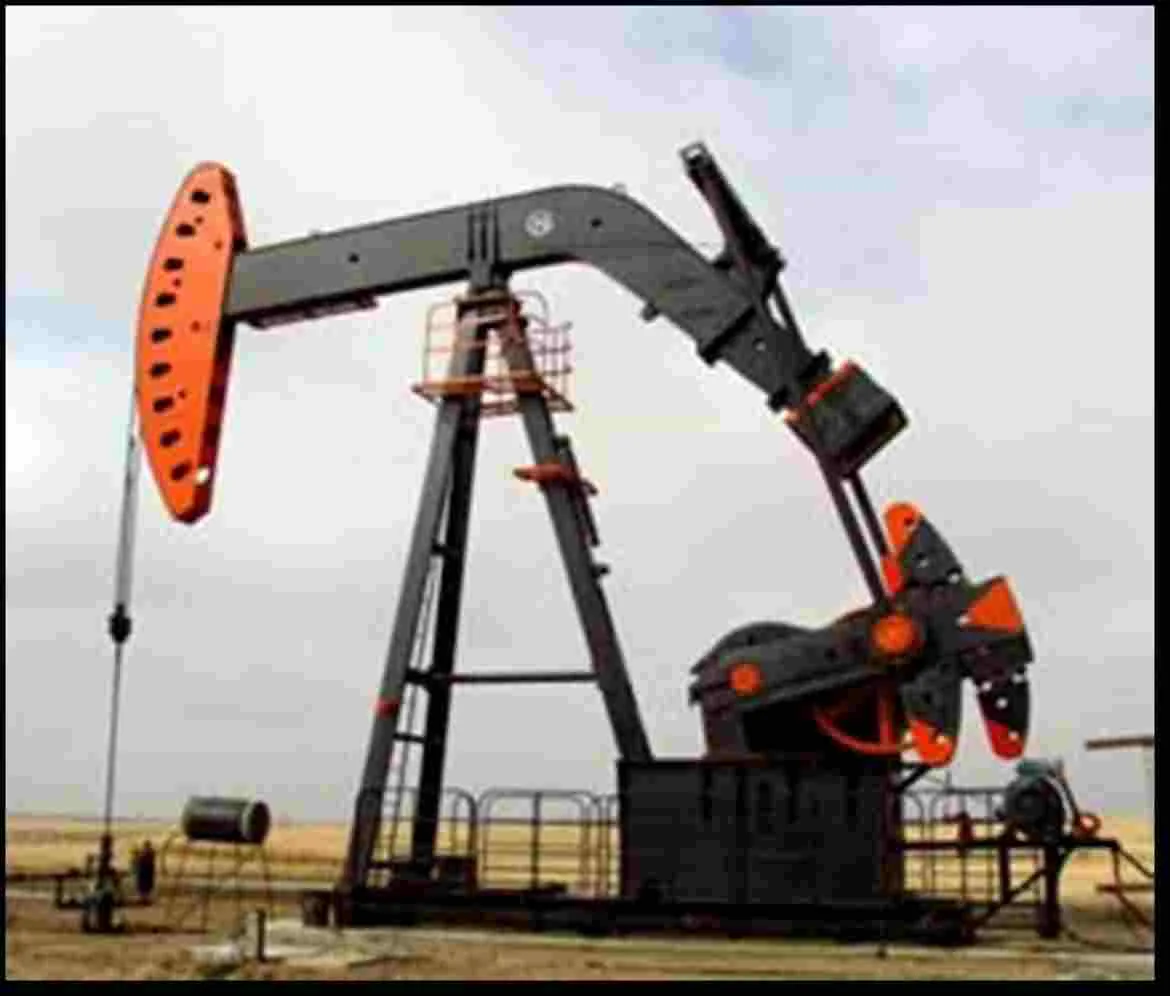
Put the target rate on the table before the method. A well that makes 30 m3/d from 1,800 m is beam pump or PCP territory; at 300 m3/d from the same depth the choice narrows to ESP or a large PCP. Depth then removes options: beam pumps are practical to about 2,500 m, ESPs to 3,500 m and beyond with the right cable and motor, PCPs to about 2,000 m before rod torque becomes the limit.
Fluid properties decide the rest. A 14 API crude at 15 C is a PCP case because the pump tolerates viscosity and the beam unit does not. Sand above 0.5 percent by volume points to a PCP with a hardened rotor or an ESP with abrasion-resistant stages, not to a standard insert pump.
| Method | Rate, m3/d | Depth limit, m | Best fit |
|---|---|---|---|
| Beam pump | 1 - 200 | 2,500 | low rate, low gas, simple maintenance |
| ESP | 20 - 2,000 | 3,500+ | high rate, deep, good power supply |
| PCP | 5 - 500 | 2,000 | viscous oil, sand, low API gravity |
| Gas lift | 50 - 1,500 | unlimited by pump depth | gas available, high GOR, offshore |
| Plunger lift | 0.5 - 30 | 4,000 | high GOR, low rate, no power |
Cost is the last filter for us, and it is not the pump price. An ESP costs more to install, more to pull and more to replace, but it holds a high rate in a deep well where no beam unit can. A beam pump costs least to install and most in downtime per barrel when the well is deviated. PCP sits between the two and wins on viscous fluid where both alternatives derate.
The comparison page on ESP against PCP sets out the same decision on eight criteria. Where the well is still ambiguous, our tie-breaker is usually the workover spread available on the field: the method that needs the rig you already have wins.
System
System
Model
Model
Model
Both are feasible; the ESP is the better fit if power is reliable and the rate has to be held at a deep drawdown. A beam unit at that rate and depth needs a large stroke length and runs close to its rod-load limit.
Up to about 0.5 percent by volume with a standard rotor, more with a hardened rotor and an elastomer selected for abrasion. We set the rotor grade against the sand cut. Above that the rotor life falls faster than the pump price saves.
It is viable where gas is already available and the rate is high. On land, compression cost usually decides against it unless the field has a gas gathering system.
Motor temperature and cable damage on installation. A motor run above its rated temperature loses insulation life quickly, and a cable nicked during the pull is a failure within weeks.
We treat lift selection as a rate-and-depth problem first, and a fluid-property problem second. The method that fits the rate and the depth is then…