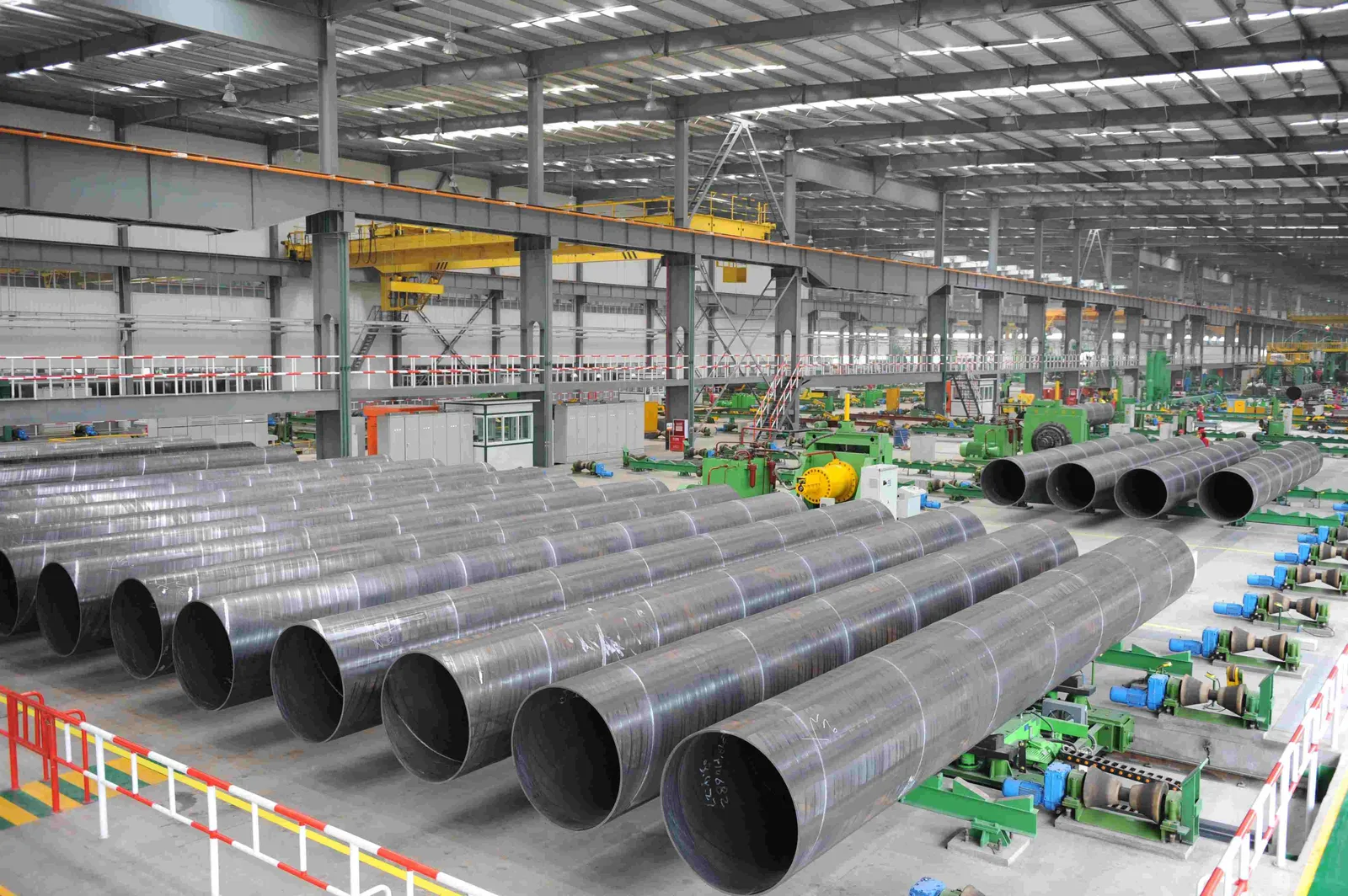
Spiral and longitudinal SAW line pipe to API 5L, ERW pipe, casing and tubing to API 5CT and 5B, and drill pipe and collars to API 5D, 7 and RP 7G.
The tubular string is the one component that touches everything: the reservoir, the mud, the pressure and the rig floor. Pipe is specified by what it has to survive rather than by diameter alone, which is why the range here runs across three welding routes and two product families.
Line pipe comes from a spiral SAW line able to run API 5L and GB/T 9711 grades in heavy wall, and from a large-diameter longitudinal SAW line built on SMS Meer forming and U&S five-wire finish welding equipment. The difference matters in service: the spiral seam spreads around the circumference and gives good dimensional accuracy on large diameters, while the straight seam is shorter, easier to radiograph in the mill and easy to re-check in the field after mechanical expansion has left the residual stress low and evenly distributed.
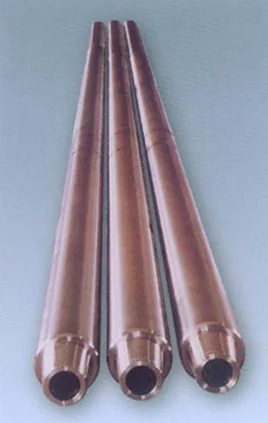
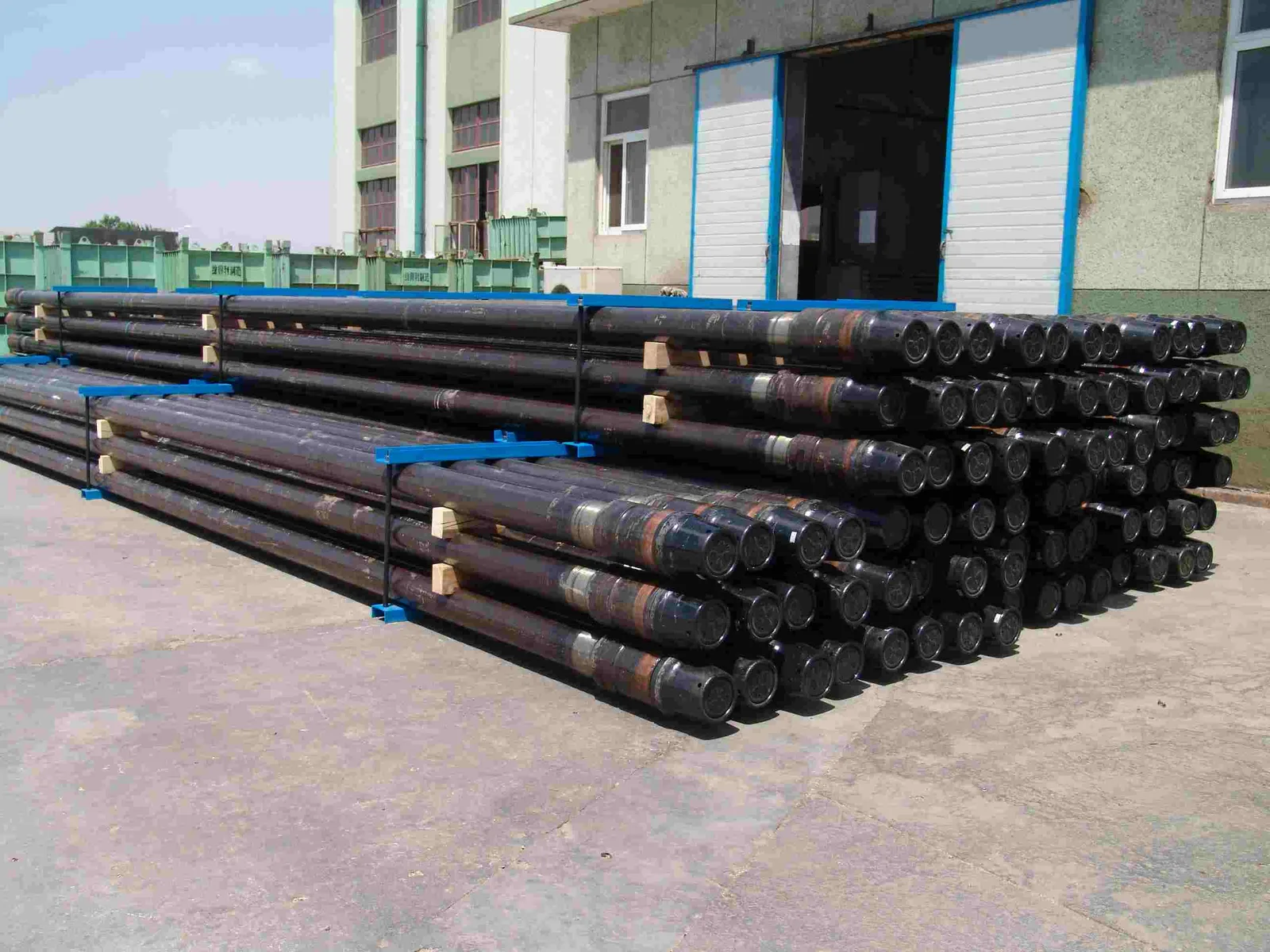
For the well itself, casing and tubing are produced to API 5CT and 5B in both seamless and HFW, and the drillstring to API 5D, 7 and RP 7G in grades E75 through S135 with the chemistry controlled at steelmaking. Sour-service, low-temperature and double-shoulder high-torque connections are quoted with the grade, because that is where a string usually fails first.
We ask for the pressure profile, the water depth and the welding route before we quote a wall thickness, and our quotation separates the pipe body from the connection so the two can be discussed on their own terms. Where a line can be served by HFW rather than seamless, we say so and show the price difference rather than quoting the more expensive route by default.
Pipe is the cheapest item in the well and the one that fails least visibly. We quote it on collapse, burst and weld route because those are the properties that decide whether a line or a string survives.
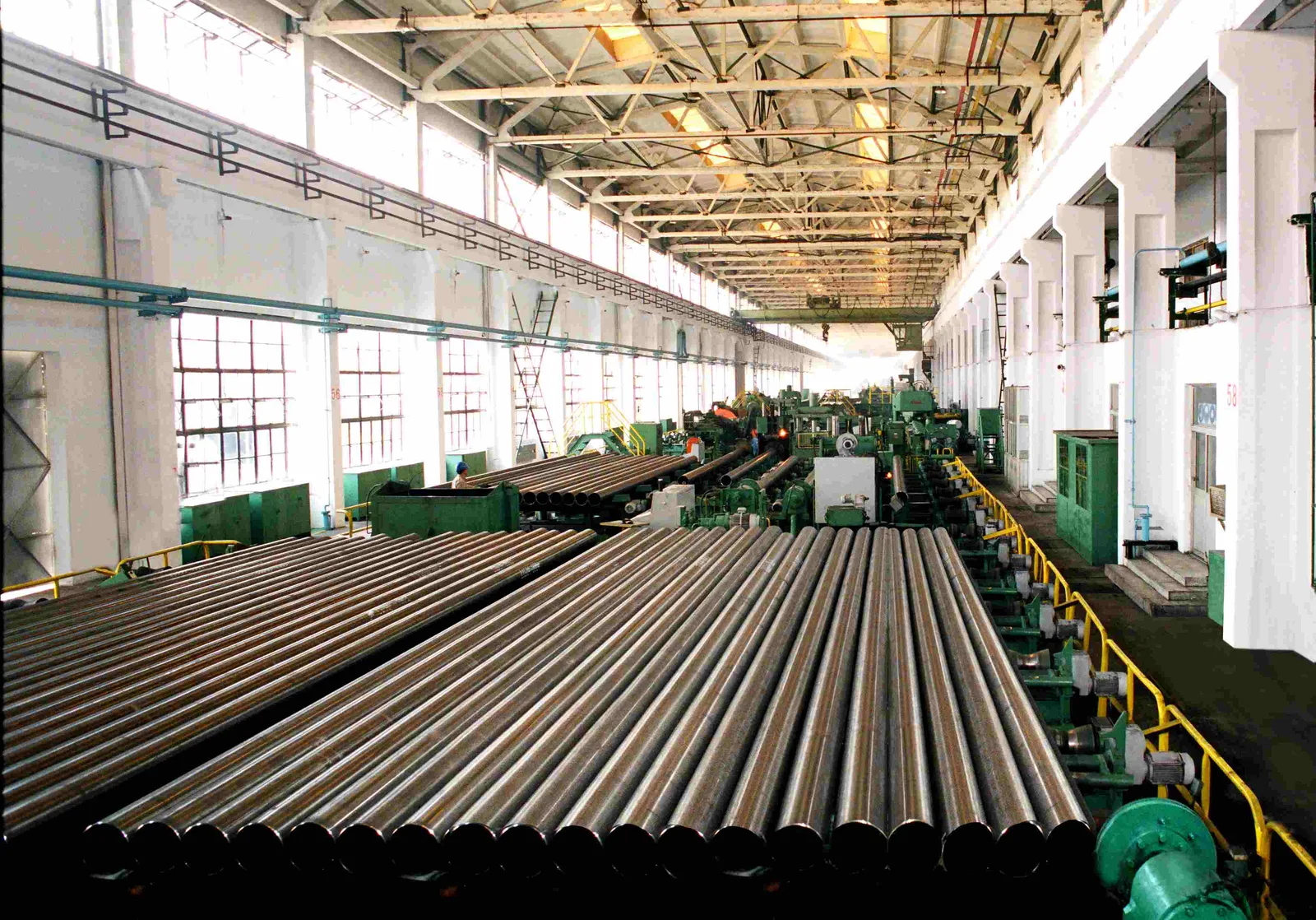
Line Pipe
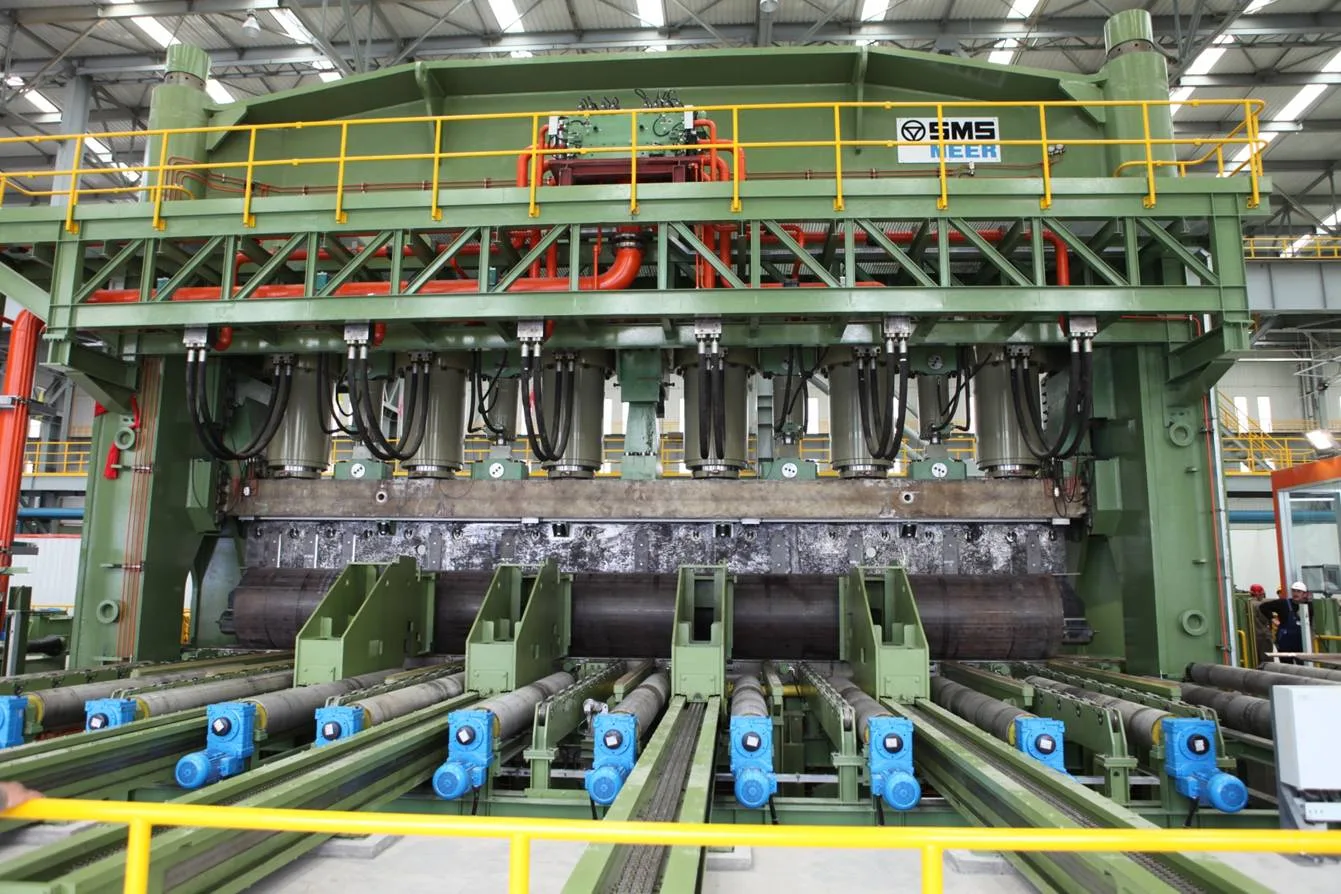
Line Pipe
Line Pipe
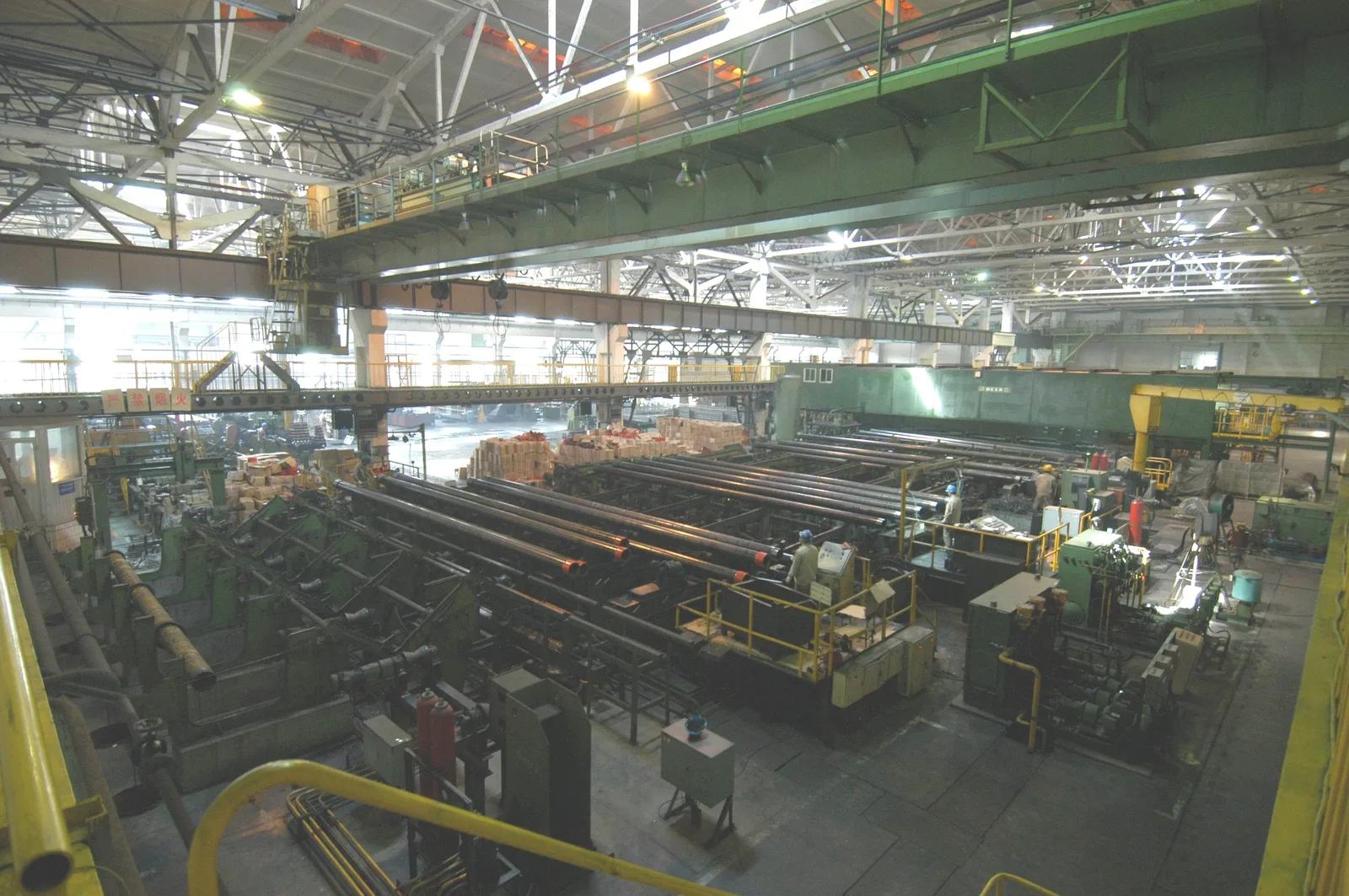
OCTG and Drillstring
OCTG and Drillstring
OCTG and Drillstring
Spiral for large diameter where dimensional accuracy and circumferential strength matter; straight seam where the seam has to be radiographed easily and re-checked in the field.
Expansion leaves low, evenly distributed residual stress, which resists stress-corrosion cracking and keeps the ovality good enough for reliable field welding.
For many casing duties it is better on grain structure, because the hot-rolled strip is finer grained and denser than a pierced billet; the collapse and burst figures decide the service.
G105 covers most vertical and directional work; S135 is specified where tension and torque margins run out, and a double-shoulder connection is added when the torque limit moves from the pipe to the tool joint.
We quote pipe by grade, wall thickness and connection, with the mill certificates named in the offer. If the string sees combined loads, we run the casing design check before the order is confirmed.
Line pipe is specified on diameter, wall thickness, grade and the welding route, and the route is a service decision as well as a manufacturing one. Spiral seam pipe distributes the weld around the circumference, which gives dimensional accuracy and strength on large diameters; straight seam pipe has a shorter weld, is easier to radiograph in the mill and easier to re-check in the field.
Mechanical expansion is the step that decides how the pipe behaves in the ditch. Full-length expansion leaves residual stress low and evenly distributed, which resists stress-corrosion cracking and keeps ovality within what field welding can tolerate. Where the line will be welded in remote conditions, that property is worth more than a marginal grade advantage, and we say so when the two routes are compared.
For the well, casing and tubing are chosen on collapse, burst and connection, in that order, against the pressure profile the well is expected to see. We supply both seamless and HFW to API 5CT and 5B, and the choice between them is usually made on grain structure and price rather than on absolute performance.
Drill pipe is specified with its connection. Grades E75 through S135 cover the tension range; the connection decides the torque limit, and where the pipe body stops being the limiting item a double-shoulder joint is added. We confirm sour and low-temperature service against the chemistry and the impact test requirement before the string is released.