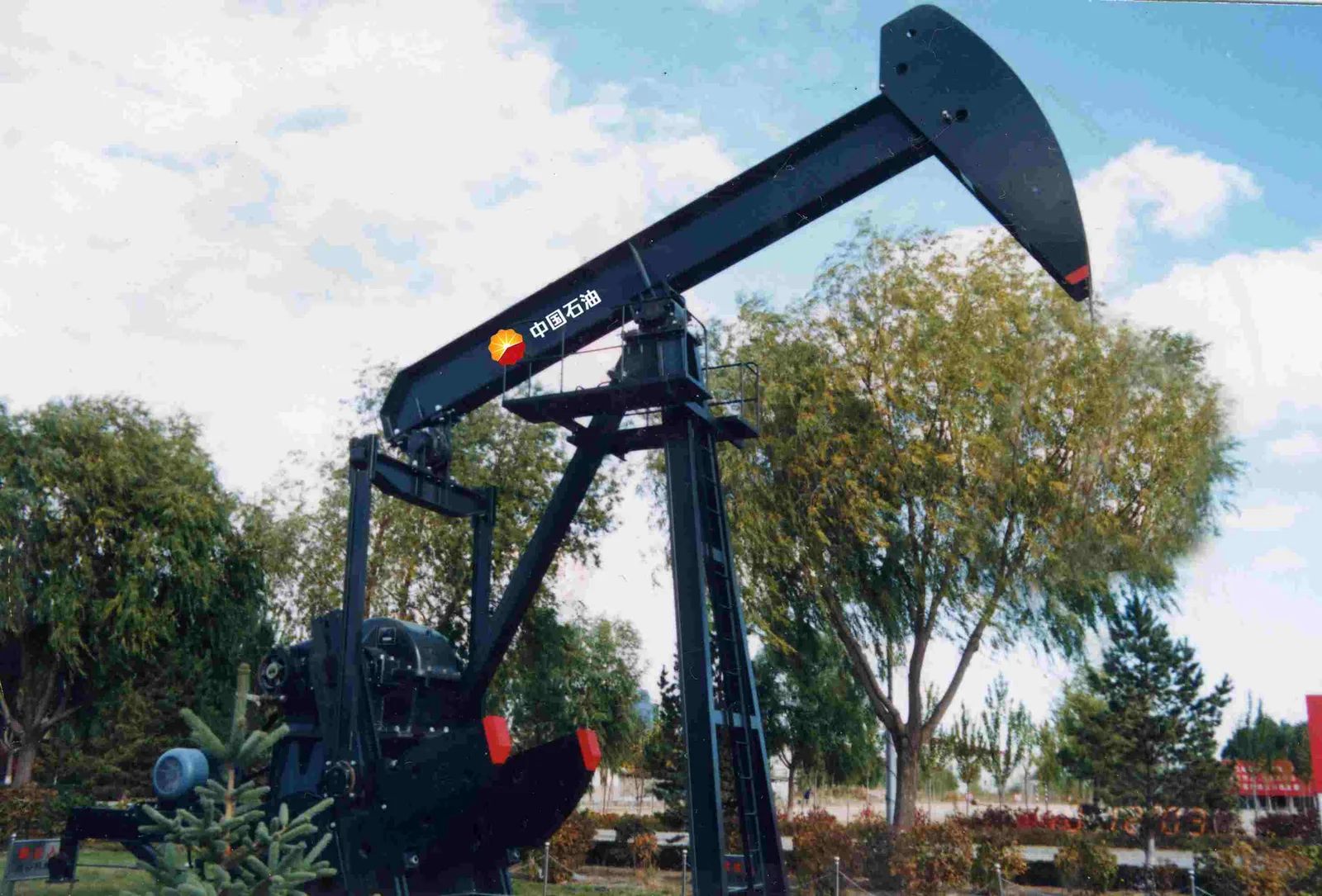
Conventional, double-horsehead and bent-beam pumping units with matched CJT high-slip drives, cut energy consumption on beam lift by up to 30 percent.
Beam lift is still the workhorse of onshore production, and most of its operating cost sits in two places: the gearbox rating and the electricity bill. The bent-beam geometry addresses both. By curving the tail of the beam, the counterweight positions multiply, so balance can be tuned to the well rather than to the nearest available casting. The compound torque curve then tracks the load torque, which flattens the net torque and cuts its peak.
The result is a smaller gearbox and a smaller motor for the same lift, and less stress through the structure. Measured against a conventional unit on the same well, energy losses drop by more than 30 percent. Conventional and double-horsehead units remain in the range for standard applications where the well conditions are stable and the beam geometry is not the constraint.
The drive matters as much as the geometry. The CJT package pairs a NEMA D high-slip motor (5–8 percent slip) or an ultra-high-slip motor (14–26 percent) with a control system built to SY/T 5226. Winding thermal protection, short-circuit, overload, over- and under-voltage protection and timed restart after a power failure are all included, so the unit rides through the voltage swings that are normal on remote feeder lines.
We quote the unit and the drive together, because a matched motor and gearbox is where most of the operating cost sits.
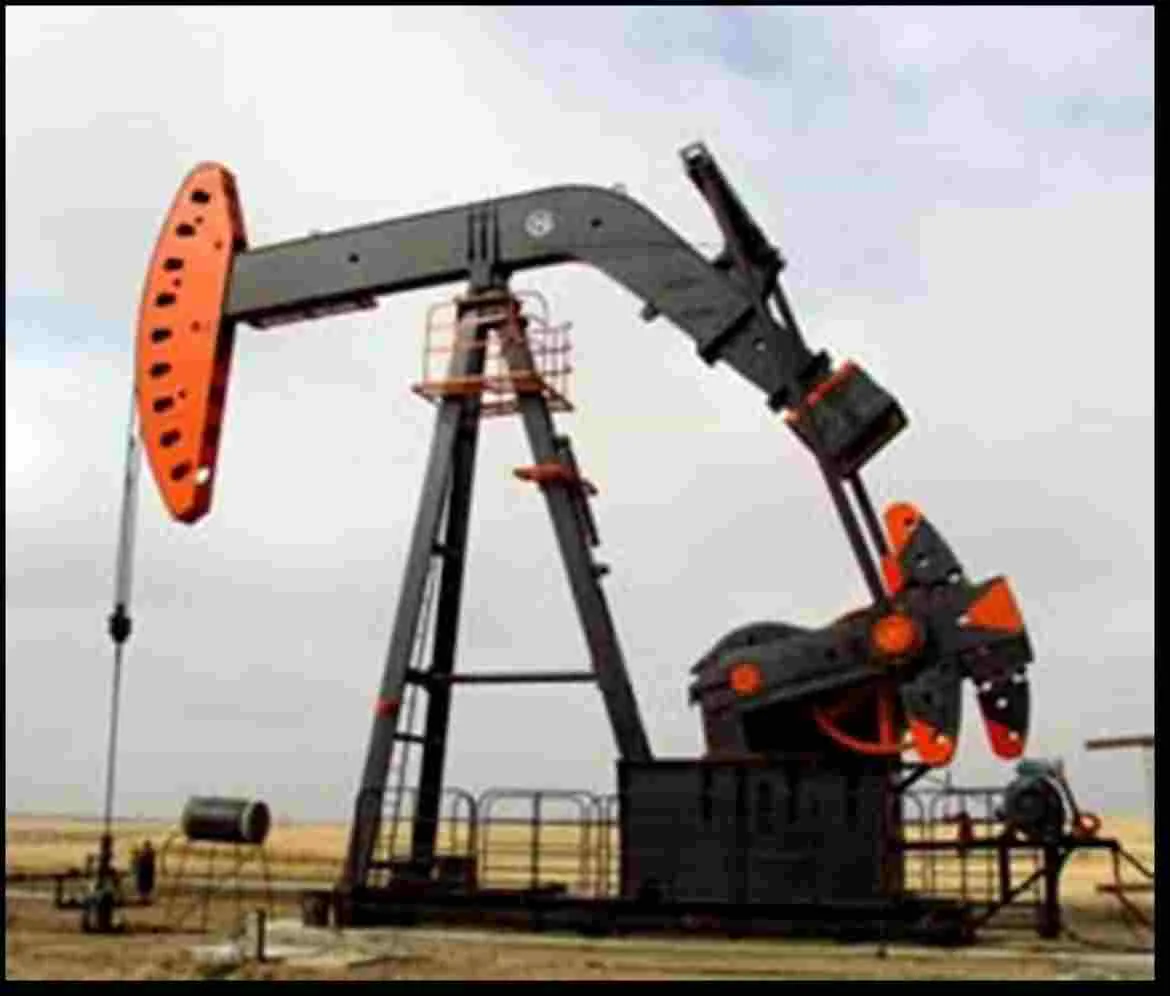
Beam Pumping Units
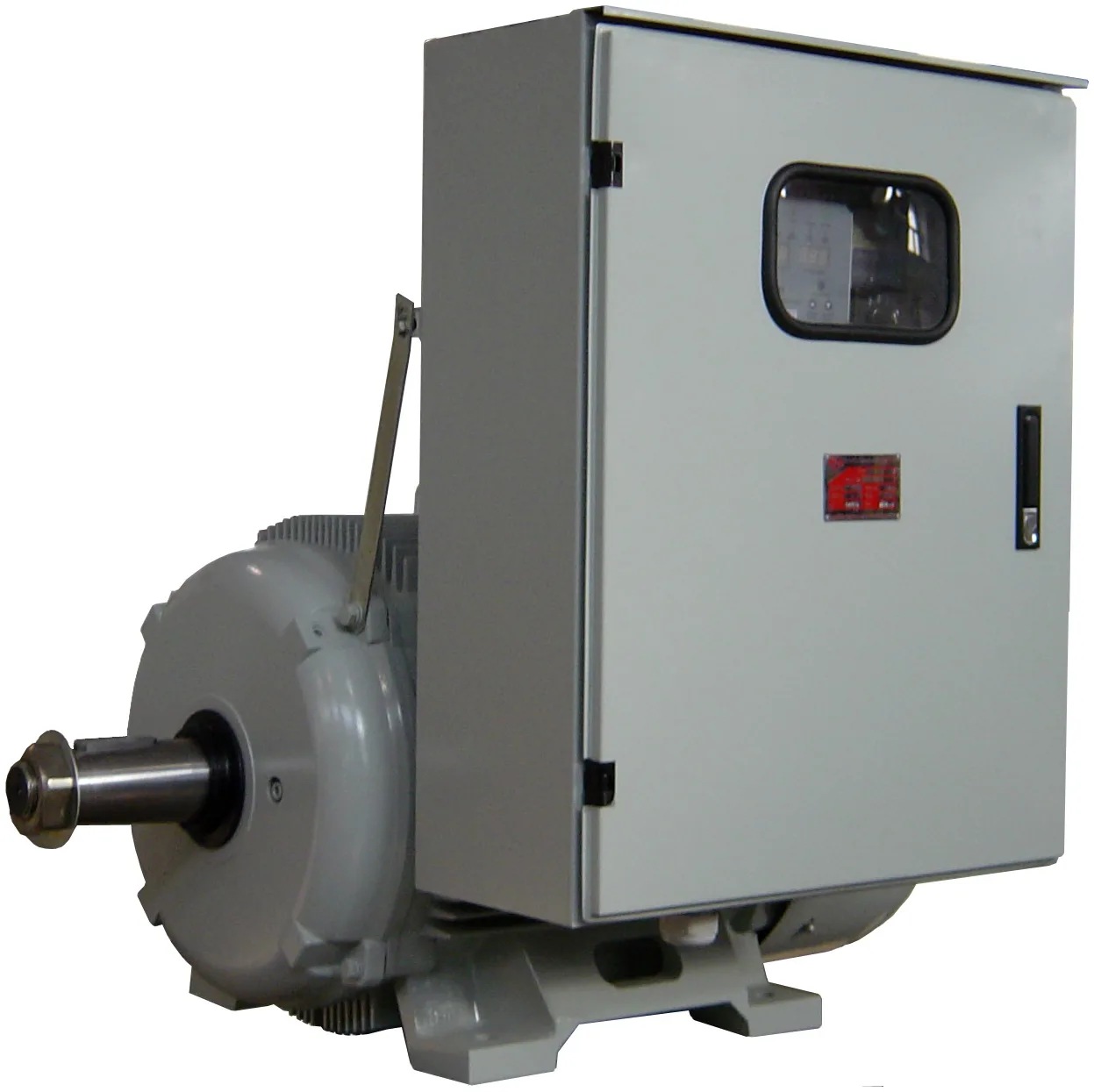
Beam Pumping Units
Beam Pumping Units
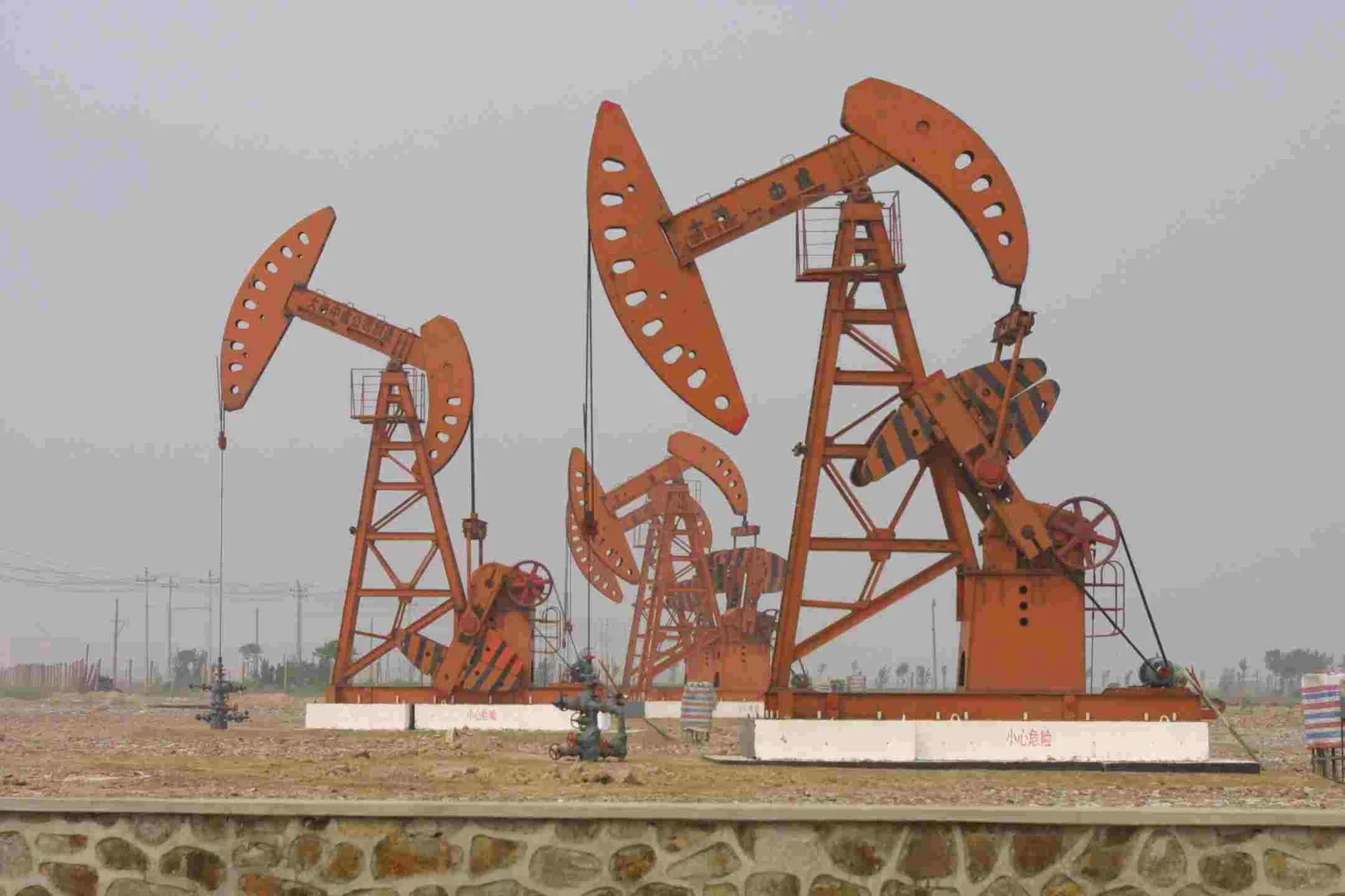
Beam Pumping Units
On wells with variable fluid levels or frequent pump-off, where a fixed counterweight keeps the gearbox working against a load it cannot match. The flatter torque curve usually pays back within two to three years.
No. Slip changes how the motor follows the crank cycle; torque stays within the unit's rating while peak current draw falls.
Yes, provided the motor frame and control panel space match. Most retrofits keep the existing gearbox and change only the motor and starter.
We size the unit from pump depth, fluid level and strokes per minute you intend to run. Our engineers check the gearbox torque against the polished rod load rather than against the nameplate.
Beam pumping is decided by the polished-rod load, the stroke length and the pump speed the reservoir will tolerate. The unit geometry then fixes the torque the gearbox sees, which is why a bent-beam machine can carry the same load as a conventional unit with a smaller gearbox and motor.
API 11B sets the dimensional and load rating practice for the unit, and the drive package is matched to it: the high-slip motor, the control panel and the gearbox rating are chosen together rather than bolted on afterwards. We quote the unit with the motor curve attached, so the slip and the torque are visible before the order is placed.
Lifetime cost sits in the electricity bill and the gearbox, not the purchase price. On the same well our bent-beam geometry cut the measured energy loss by more than 30 percent against a conventional unit, which is the number that decides most replacements.
When a customer sends us a well file we return the unit drawing, the gearbox rating and the motor curve together, so the three can be checked against the reservoir before anyone commits to a purchase order.