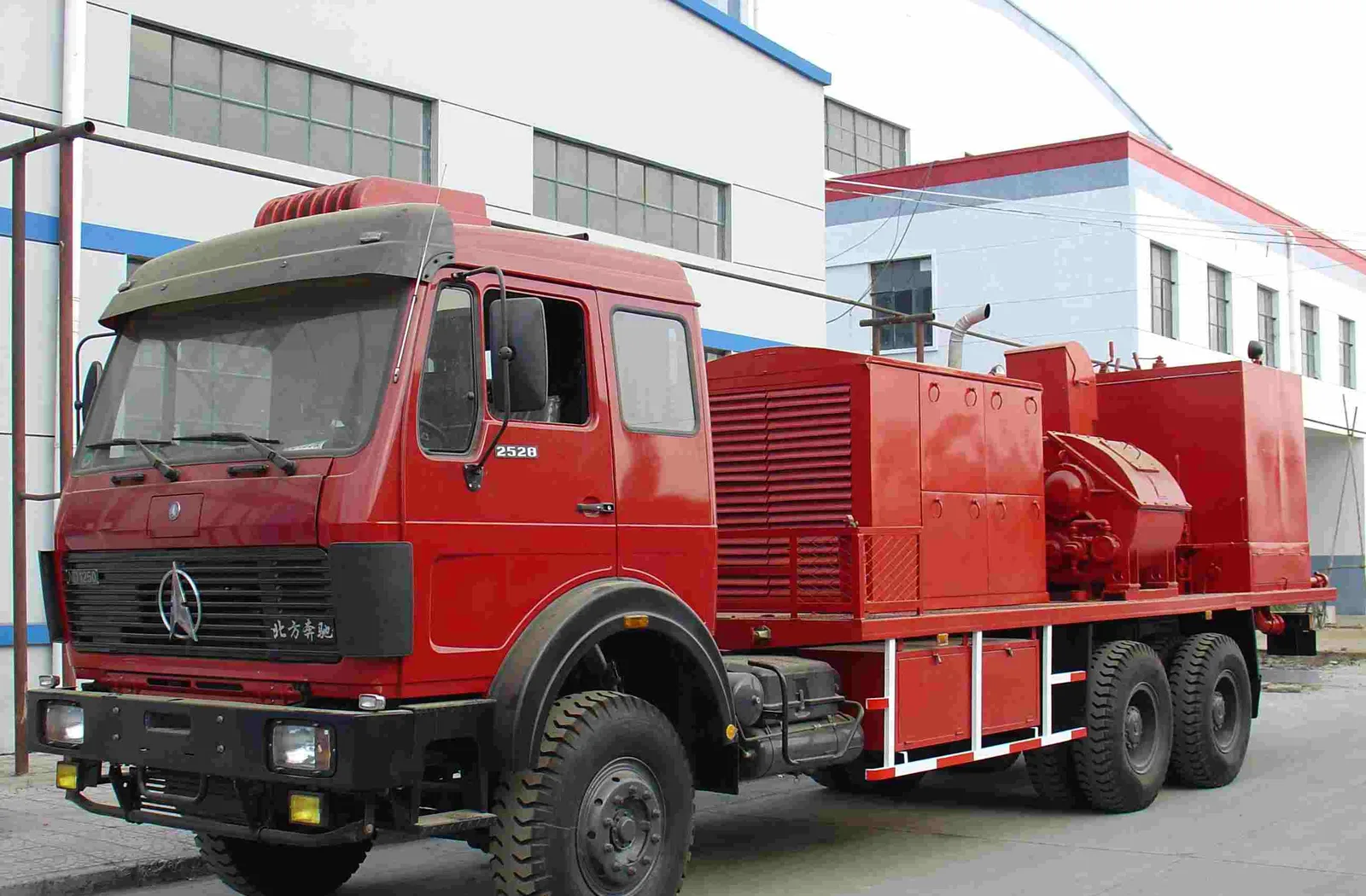
Cementing jobs fail on logistics more often than on chemistry: the cement has to arrive dry, stay dry, and discharge at a controlled rate into the mixing unit.
That is what the cementing truck is built around. A heavy-duty chassis with real off-road capability carries a large pressure vessel and an air system driven from the truck engine, so the unit keeps working where no plant air is available. Vertical and horizontal loading and discharge tanks run an optimised air-to-cement ratio, which keeps material flowing instead of bridging in the cone. Upstream of the unit, a bulk cement truck carries the dry material to location and feeds it through its own air system.
An air-cement separator at the discharge end splits air from cement before it reaches the atmosphere. It drops most of the dust at the discharge point and reduces lost material, which is a measurable saving across a season of jobs and a real change in the working environment.
The other half of wellsite logistics is fluid: oil and water tank trucks with elliptical tanks, steam heating coils and exhaust-gas heating at the front head, flange inlet and outlet. The steam coil and exhaust heating are aimed at viscous oil and freezing water, so a truck is normally dedicated to one fluid rather than switched between duties.
Where the job is circulation-based — breakdown, matrix stimulation, well killing — a coiled tubing unit covers it with 70 MPa circulation and a closed-loop injector, without calling a workover rig to the location.
We build the vessel and the air system on one chassis, so discharge rate is set by the truck rather than by plant air. Our commissioning engineer checks the separator and the air-to-cement ratio on site, we train the crew on the discharge valve, and we keep the wear parts for that model. Cementing support also covers the mixing unit downstream, so the feed rate and the slurry density are agreed with the same supplier. We keep the separator element and the discharge valve in stock for that model.
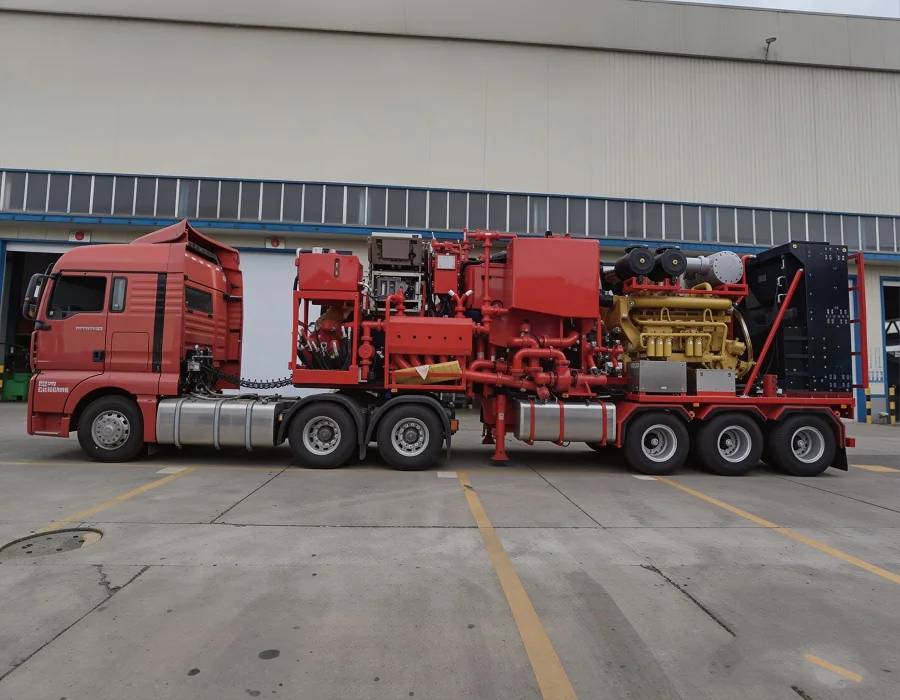
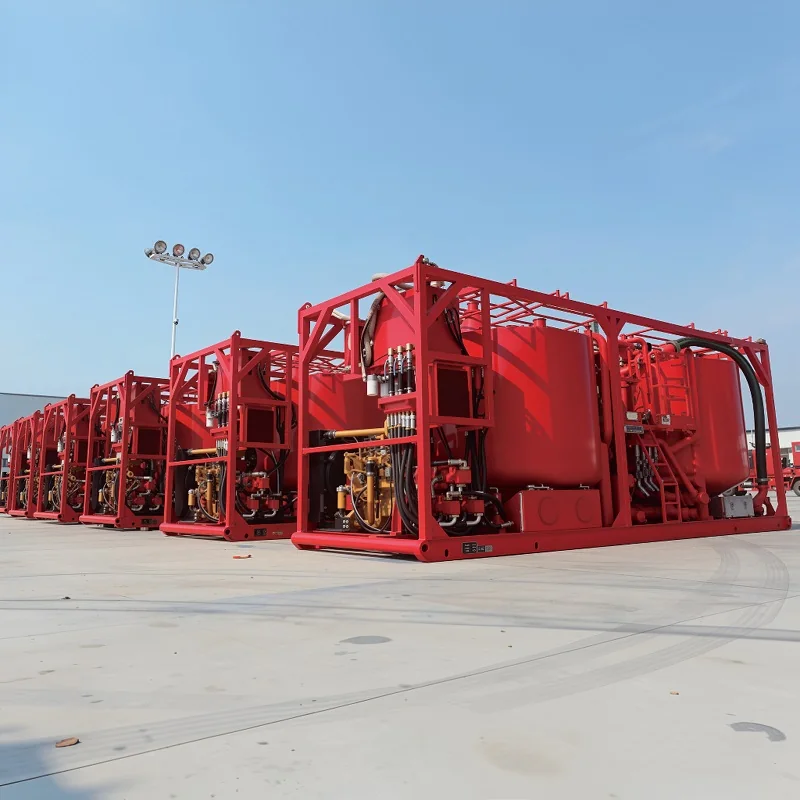
Capacity depends on the chassis and vessel selected. Desert and mountain configurations are specified per project so the unit matches the mixing rate and the road limits on site rather than a catalogue figure.
Because dry cement in the air is the part of the job nobody wants to breathe. The separator drops most of it at the discharge point, and what it catches is material that would otherwise be lost across a season of jobs.
The steam coil and exhaust heating suit viscous oil and freezing water, but compartment layout and materials are chosen per duty. A single truck is normally dedicated to one fluid to avoid cross-contamination.
Cementing Equipment carries the main duty, Coiled Tubing Units covers the pressure side, and we quote the three as one scope where they meet on a location.
Product line
Product line
Product line
Product line
Cementing jobs fail on logistics more often than on chemistry: the cement has to arrive dry, stay dry, and discharge at a controlled rate into the…