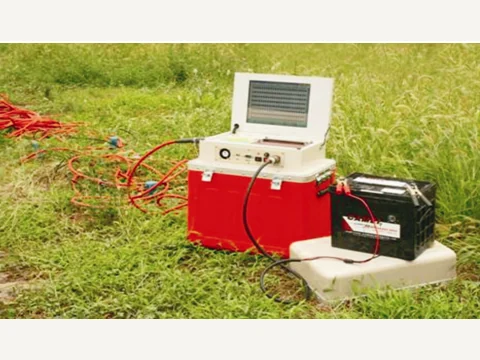
Seismic recorders, 24-bit acquisition spreads and shallow engineering seismographs supplied with geophones, exploders and test instruments as one crew kit.
Channel count and spread layout are set by the survey design; the rows below describe what the family covers.
Figures taken from the Seismic Recorders and Engineering Seismographs data sheet issued by BOMCO. Values are nominal and the quotation confirms the build for your order.
A crew is limited by its recording system: how many channels it can lay, how much noise the spread accepts, and how quickly the field quality control catches a bad trace. The group's geophysical works builds the recorders, the geophones, the sources and the auxiliary instruments as one family, which is why the channel count, the telemetry and the QC software are specified together.
The same works builds the shallow instruments used for engineering work, where the target is the depth to bedrock or the rippability of a site rather than a reservoir.
The GDZ24/48 is the shallow end of the family: a 24 or 48 channel acquisition system light enough to carry to a site, used for high-resolution surface-wave reflection, refraction, VSP and cross-hole tomography in petroleum, coal, geology, highway, railway and archaeology work. It shows a single shot before stack, offers AGC, HCF and LCF processing in the instrument, and tests the geophones from the same panel.
We supply the recorder with the sensors, the cables and the field test gear from the same works, so a channel that fails its tolerance test is replaced from a matched string. Our instrument engineers train the crew on the recorder we ship, not on a borrowed unit, and we run the first production line with them. When a survey grows we would rather add channels to the spread than stretch the one we sold. Ask us for the crew kit list and we will price it against your survey design.
Yes. Recorder, geophones, cables, sources and the field test instruments are quoted together against your survey design, so the crew mobilises with matched equipment and one spares list.
Shallow refraction and site investigation: overburden velocity, depth to bedrock and the rippability of a foundation site. It is the same acquisition discipline as exploration work, applied to a few metres rather than a few kilometres.
Continuity, polarity and noise checks are done while the spread is being laid, so a bad trace is found before the shot. That is the practical difference between a recorder and a box of channels.
Instruments and sensors come from the same works, so a channel that fails the tolerance test is replaced from a matched string rather than from general stock.
Crew training and the field maintenance routine are supplied with the kit; spares lists follow the instruments you actually run.
As a seismic recorder manufacturer we deliver the recorder and the engineering seismograph scope as one crew kit, for surveys where shallow work runs alongside the main spread.
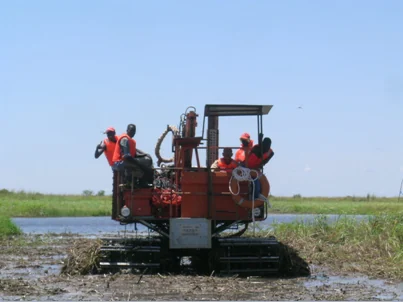
Field transport