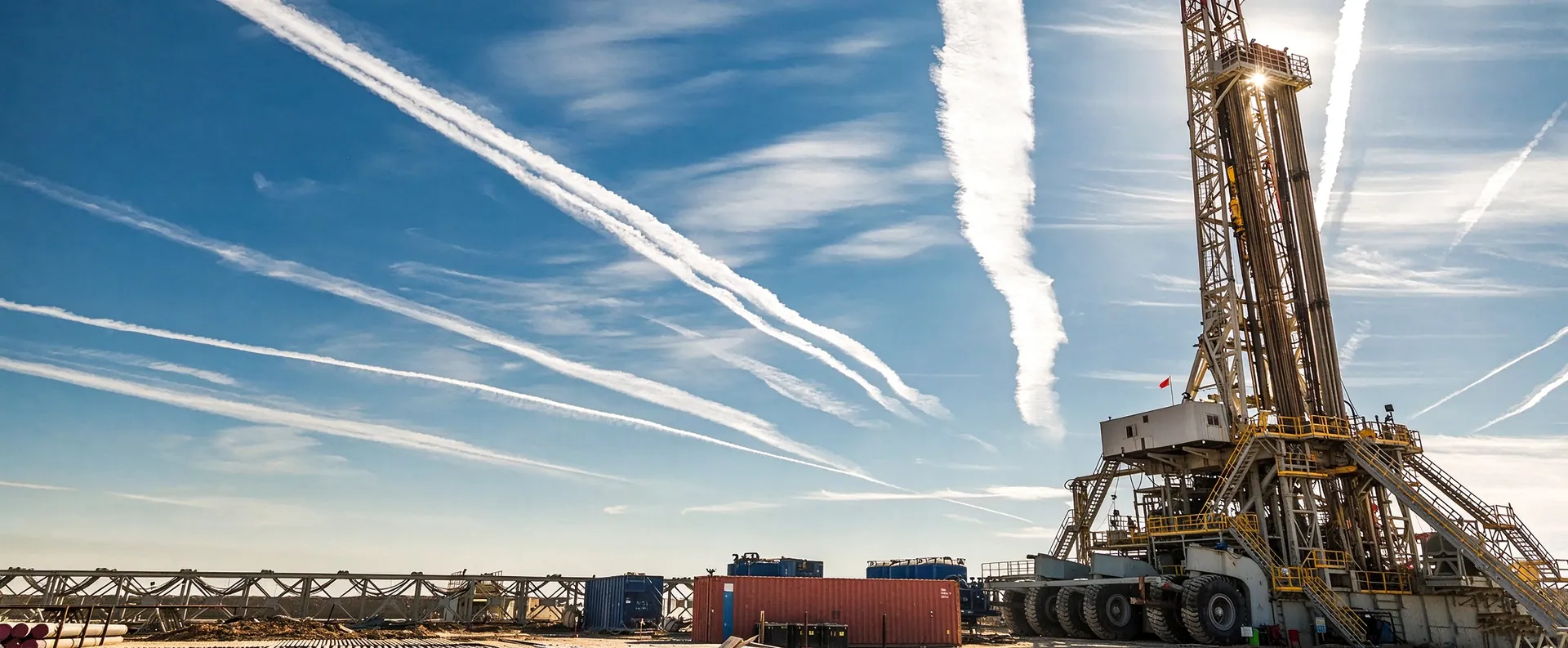
Triple offset metal-seated butterfly valves, delayed coker bottom valves and electric high-temperature gate valves for refinery hot lines and coke drums.
Refinery hot service is where ordinary valves fail: thermal cycling, entrained solids and the need for a tight shut-off on a line that cannot be isolated any other way. The three valves here exist for those specific duties rather than for general plant isolation.
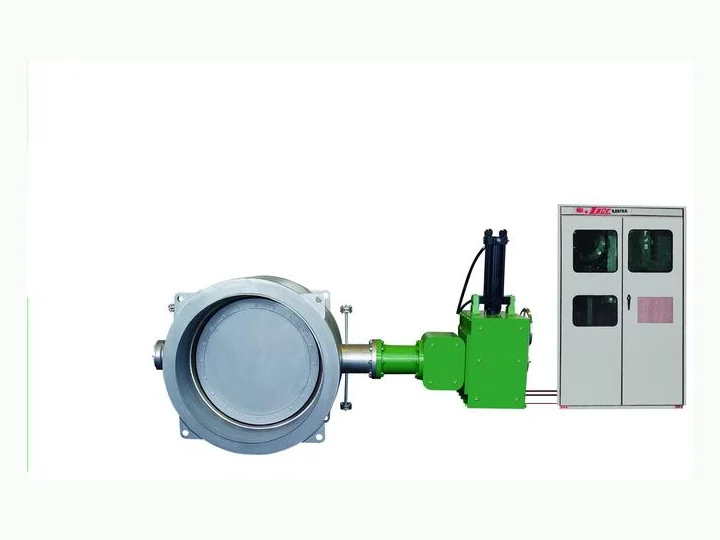
The triple offset butterfly valve is built for high-temperature regulating and isolating duty on refinery lines, with a double-body construction that compensates thermal expansion, hard-alloy overlay on the sealing faces and a replaceable seat ring. A fast-closing electro-hydraulic actuator with cushioning closes the valve before the seat sees the full velocity of the line, and a hot-state test procedure, developed in house, verifies the seat after cycling.
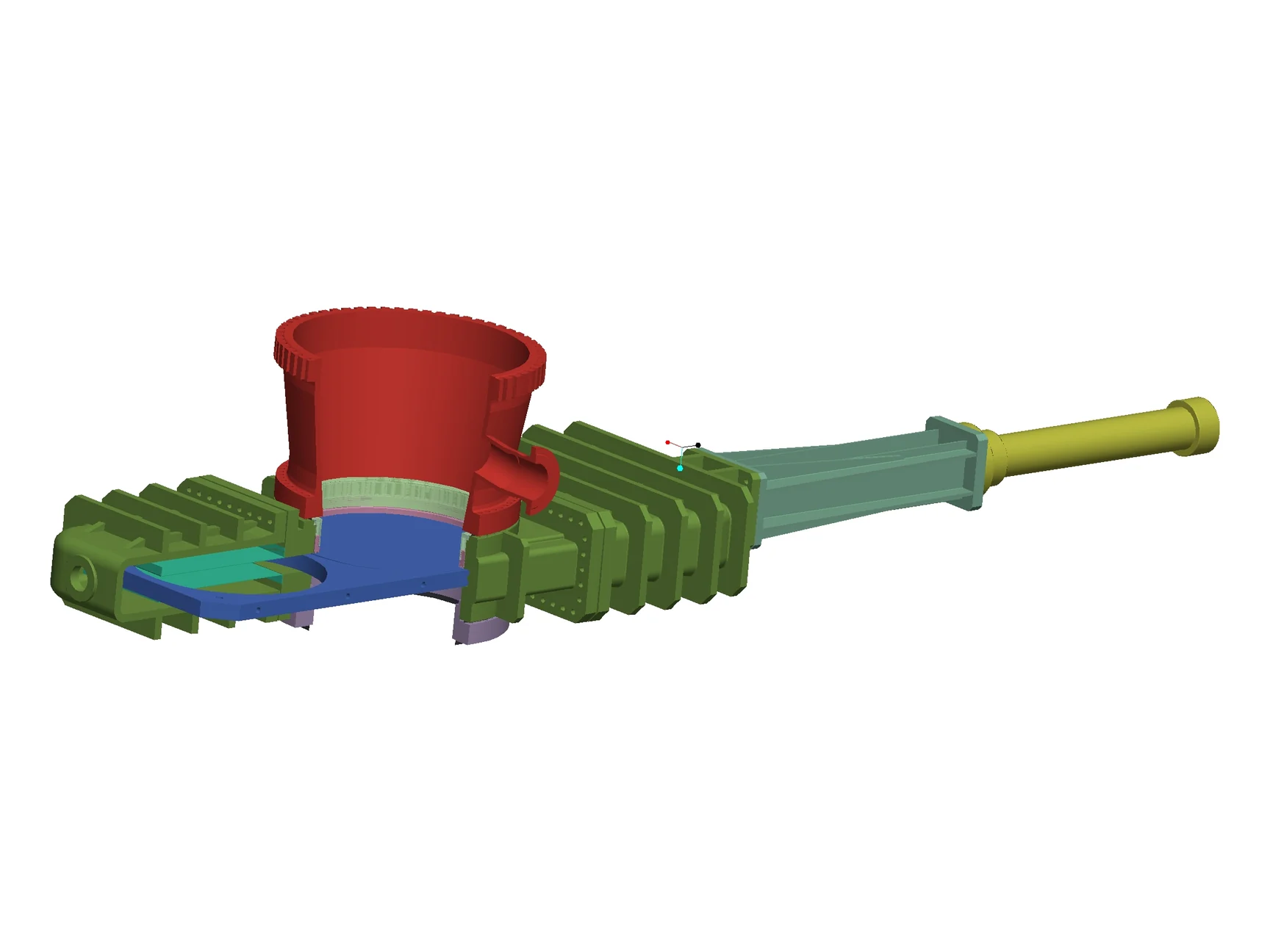
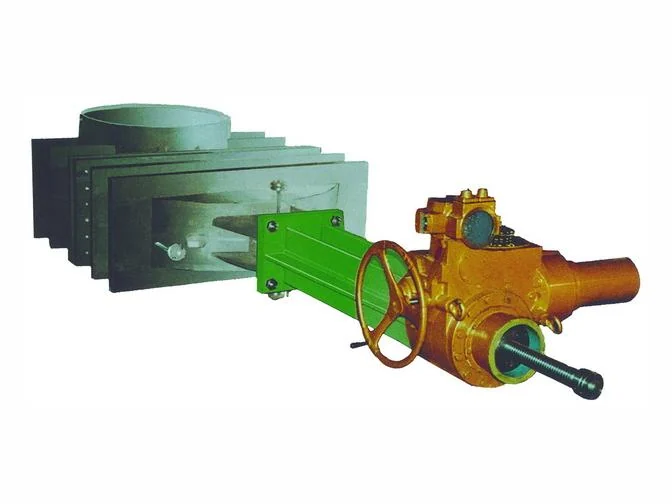
The delayed coker bottom valve is the one that decides cycle time. It closes the coke drum into a sealed piping system, shortens the cycle, and in service raises unit throughput by around 20 per cent while cutting steam consumption and maintenance. The electric high-temperature gate valve covers hot gas lines with fine solids, where a fabricated alloy body, a lip-sealed body-to-bonnet joint and a twin stuffing box in series are what keep the valve alive between turnarounds.
We quote these valves against the line data rather than the pipe size: temperature, solids content, cycling frequency and whether the line can be isolated elsewhere. Our engineers ask for the seat test conditions on a hot line, and where a standard metal-seated butterfly valve would hold the duty we recommend it instead of the triple offset build.
We build these three valves for hot-line duty rather than general plant isolation: the seat has to hold at temperature and after cycling, and nothing about that service is gentle.
Specialty Valves
Specialty Valves
Specialty Valves
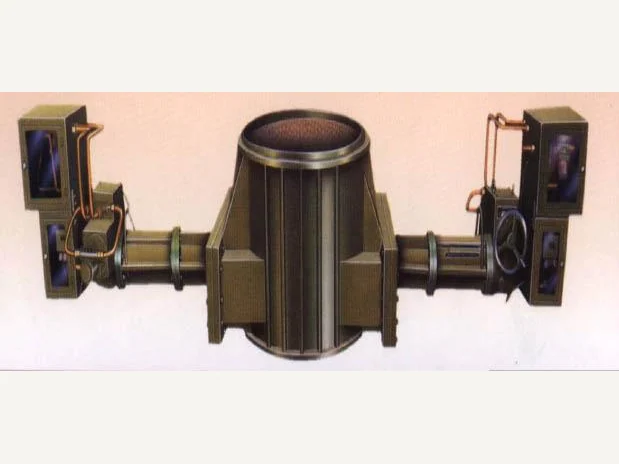
Refinery valve
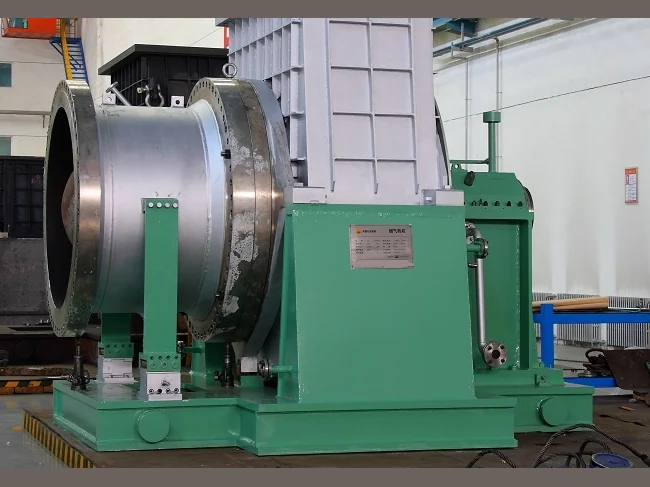
Energy recovery
The metal seat holds at refinery temperature and after repeated cycling, where a resilient seat degrades. Offset geometry keeps the seat clear of the disc until the last few degrees of travel.
It shortens each drum cycle and allows the unit to run at higher throughput, with lower steam consumption and less manual intervention at the drum.
Fabricated alloy body, lip seal at the body-to-bonnet joint and two stuffing boxes in series, so the packing is not the first thing to fail at temperature.
Seat rings and actuators are replaceable, and the hot-state test procedure allows the seat to be verified after a repair rather than only at the next turnaround.
The FCC slide valve and the catalyst slide valve refinery duty are quoted as specials, because both work in hot catalyst service where a standard gate or butterfly valve will not hold its seat.
A flue gas expander FCC unit, and the power recovery turbine refinery operators run behind it, take pressure and heat out of the flue gas before it reaches the stack.
We select the valve body, trim and actuator from the line fluid, cycling duty and isolation class. For coking and high-temperature service we quote the purged, metal-seated variant rather than a standard gate.
In hot service the valve is chosen on what it has to survive between turnarounds: thermal cycling, entrained catalyst or coke fines, and the need for a tight shut-off on a line that cannot otherwise be isolated. Each of the three valves here addresses one of those conditions rather than general plant isolation.
Triple offset butterfly valves are specified where a metal seat is required and space is limited. The offset geometry keeps the seat clear of the disc until the last few degrees of travel, which is what allows a metal seat to seal repeatedly at temperature. The double-body construction compensates thermal expansion, and the seat ring is replaceable without replacing the valve.
Coker bottom valves are specified against cycle time and steam consumption. A sealed, interlocked valve shortens each drum cycle, and the throughput gain is the figure that justifies the change; the low steam consumption and reduced manual intervention are what make it acceptable to operations. We ask for the drum cycle data before we size the actuator.
Electric high-temperature gate valves are specified for hot gas lines carrying fine solids, where erosion rather than temperature is the failure mechanism. A fabricated alloy body, a lip seal at the body-to-bonnet joint and twin stuffing boxes in series are the details that decide how long the valve lasts between outages. Our quotation names the seat overlay and the test procedure for that duty.