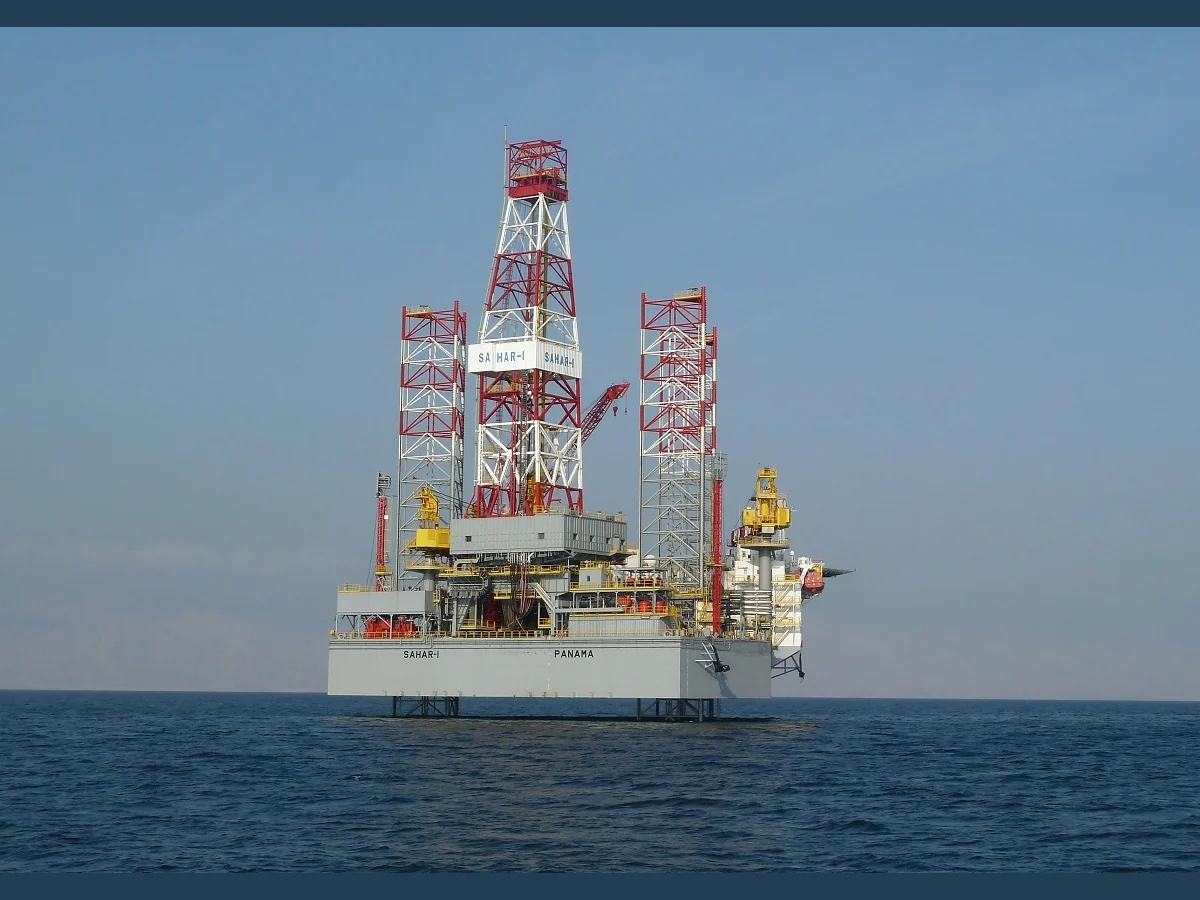
CP series jack-up drilling platforms: bottom-supported, cylindrical-leg and truss-leg units for up to 91.4 m water depth, classed CCS, ABS or DNV.
Bottom-supported and truss-leg variants of the CP300 hull are tabulated separately, because the two are ordered for different water.
Figures taken from the Jack-Up Drilling Platforms (CP Series) data sheet issued by BOMCO. Values are nominal and the quotation confirms the build for your order.
The CP series covers three hull forms on one design family: a bottom-supported unit for shallow sheltered water, a cylindrical-leg jack-up, and a truss-leg jack-up for deeper open water. All three are steel, non-self-propelled elevating units for exploration and development drilling, and each can be classed with CCS, ABS or DNV.
On top of the hull we install the drilling package. A CP unit takes platform rigs up to a 9,000 m (3,000 hp) rating, which is the same equipment we build for land and platform work, so the interface between hull and rig is one scope.
We design the hull and the drilling package against each other, so deck area, variable load and crane coverage are checked before the rig layout is frozen. Our leg length is quoted after your site data has been through the penetration and preload calculation, not before. Where a field sits at the edge of the water-depth envelope we say so early, because moving a hull is a different conversation from lengthening a leg.
The self-elevating units reach 91.4 m of water in the design sea state. For a specific field we re-check leg penetration, preload and storm case against your site data before quoting the leg length.
Hull, legs, jacking system, skidding system and the drilling package, with class approval and the commissioning programme inside the same contract. Work up to 400 ft is within that scope.
Yes. The platform rigs we install on these hulls are built in our own works, so mast, substructure and mud package are matched to the deck layout instead of being adapted to it.
Hull and drilling package are designed against each other: deck area, variable load and crane coverage are checked before the rig layout is frozen, not after the hull is ordered.
A 300 ft unit built in this works was the first self-elevating platform of that class with Chinese-owned intellectual property, and its drilling system came from the same factory as the hull package.
As an offshore drilling platform manufacturer we hand over the self-elevating platform as hull, legs, jacking and drilling package under one contract.
Offshore marine unit