EIlog surface systems, array induction, laterolog, microresistivity and sonic imaging tools, plus the FELWD while-drilling string for formation evaluation.
Logging answers the question the drilling programme cannot: what is in the rock and how much of it can be produced. The EIlog suite covers that from the surface system down: a single acquisition platform that takes conventional, imaging and production tools on the same depth reference, and a tool inventory built around array measurements rather than single sensors.
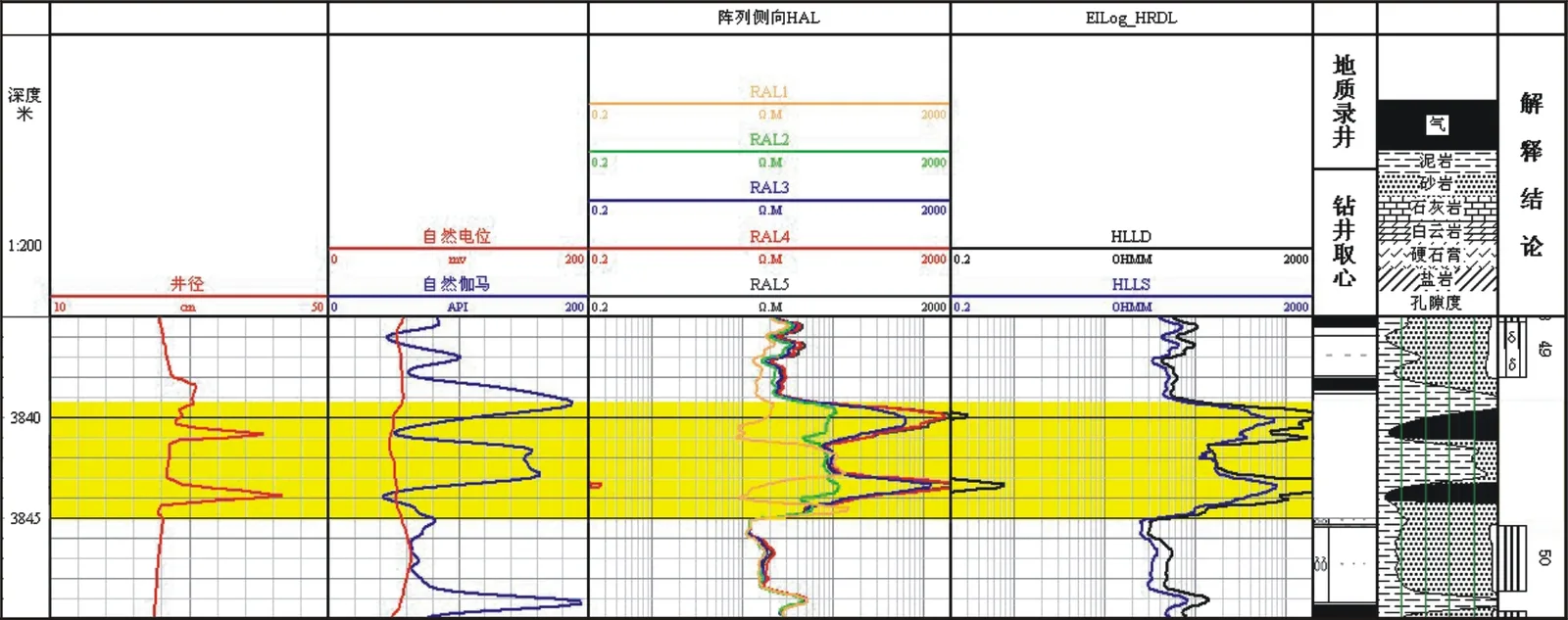
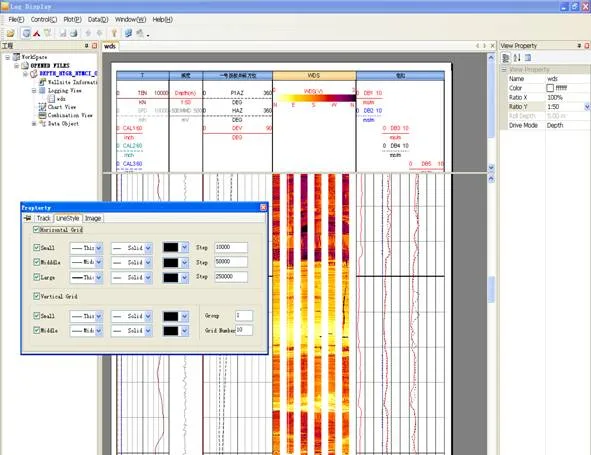
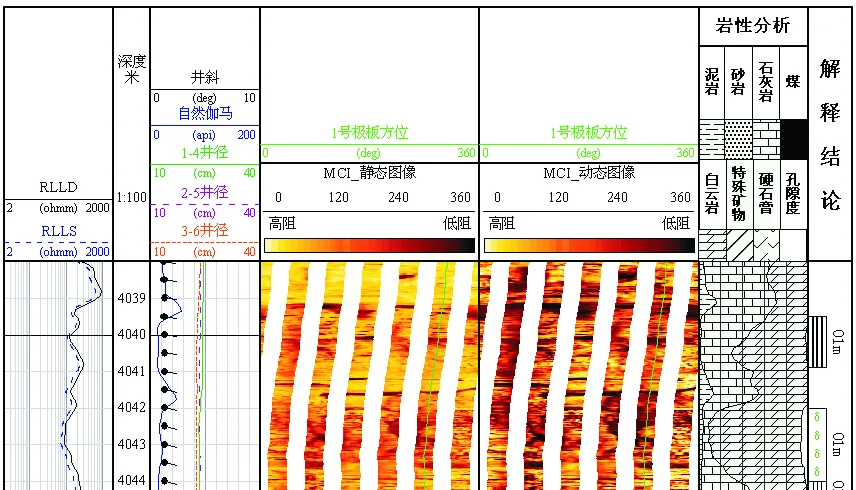
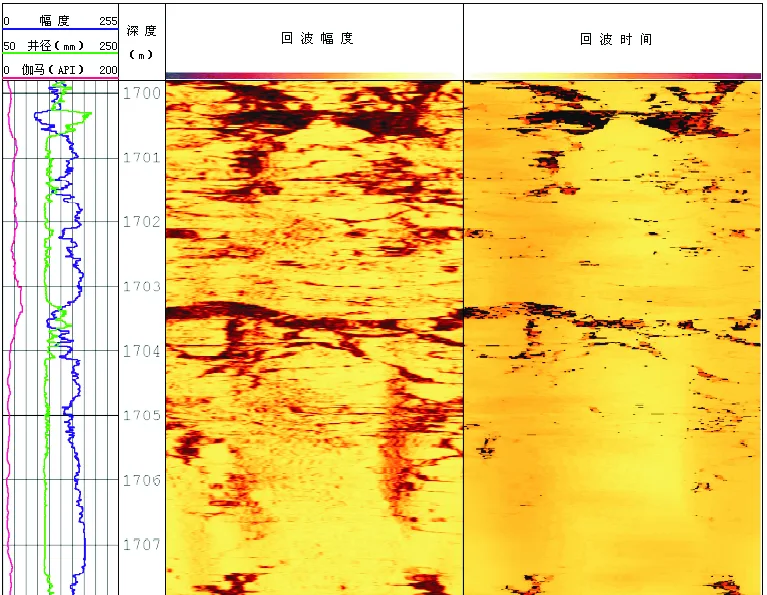
The array tools were chosen for what they do to interpretation, not for catalogue depth of investigation. Array induction delivers fifteen curves at three vertical resolutions and five depths, so a thinly bedded or invaded formation can be described rather than averaged. The array laterolog exists to remove the Groningen effect and the unstable borehole and shoulder-bed corrections that come with dual laterolog. Microresistivity imaging at 5 mm resolution and more than 60% coverage is what makes fracture and thin-bed work possible at all.
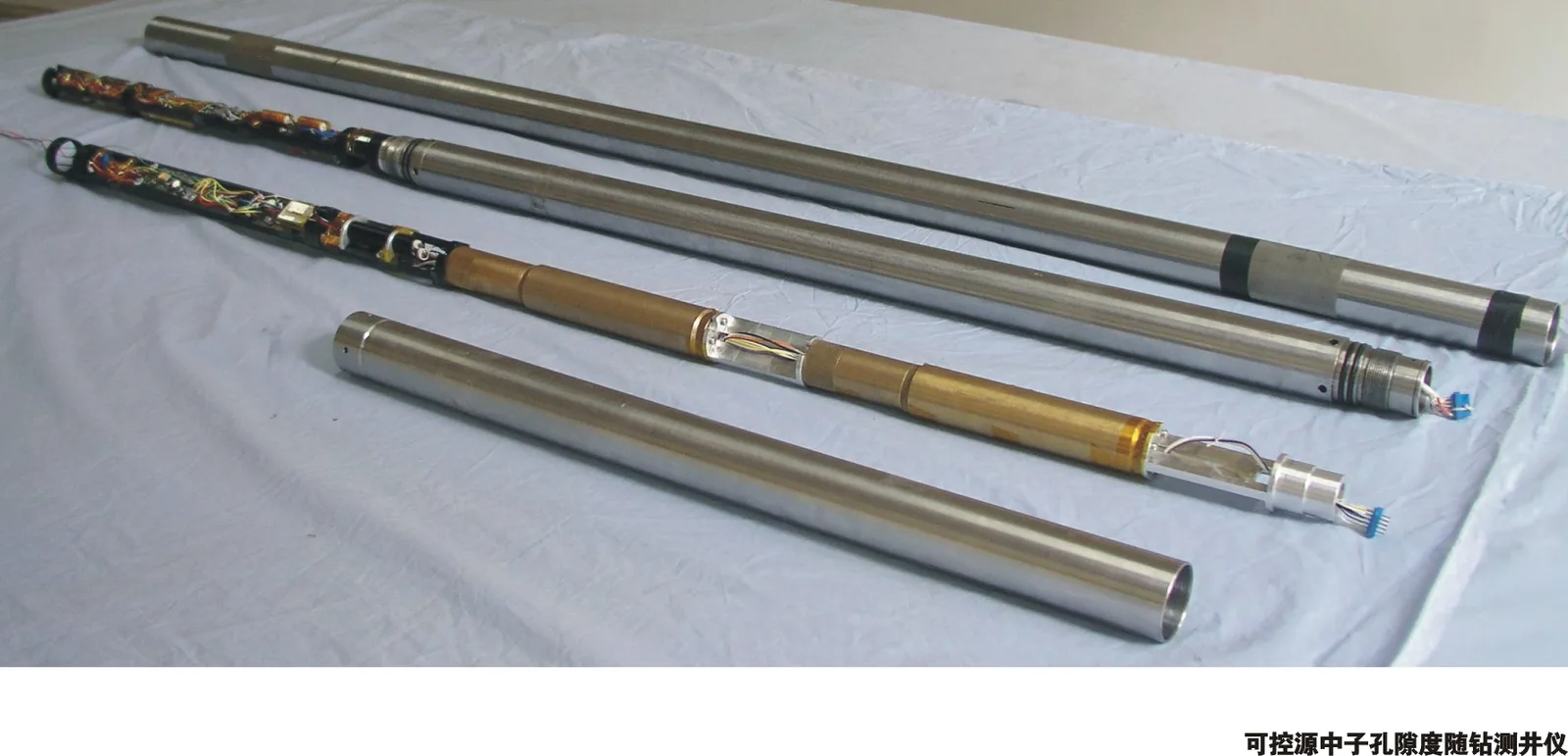
While drilling, the FELWD string puts the same measurements in the hole before the mud has time to alter it. Azimuthal gamma and induction on one collar lets a geosteering decision be taken from the same sector of formation; wave-propagation resistivity gives eight curves at two frequencies; and the pulsed-neutron porosity tool removes the chemical source from the rig site entirely.
We quote a logging programme against the question the operator needs answered, not against the length of the tool string. Our engineers ask for the formation type, the mud, the hole angle and the completion stage, then propose the smallest combination that still delivers the resolution the interpretation needs; where a conventional tool would do, we say so rather than upselling an array.
We quote array tools on the interpretation they make possible, not on curve count, which is why our datasheets lead with vertical resolution and depth range rather than with string length.
EIlog Imaging Suite
EIlog Imaging Suite
EIlog Imaging Suite
EIlog Imaging Suite
EIlog Imaging Suite
EIlog Imaging Suite
EIlog Imaging Suite
EIlog Imaging Suite
EIlog Imaging Suite
EIlog Imaging Suite
EIlog Imaging Suite
FELWD While Drilling
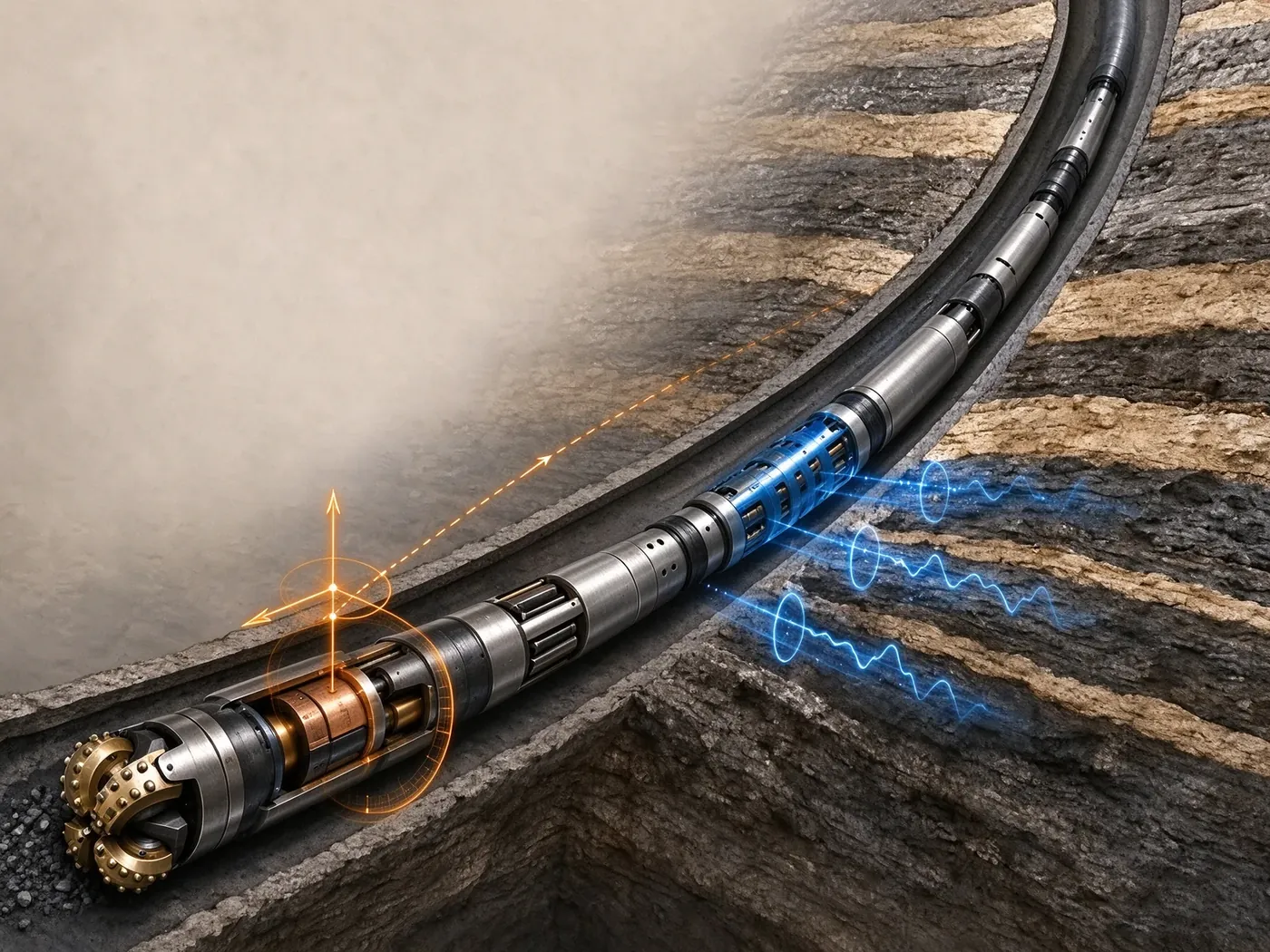
FELWD While Drilling
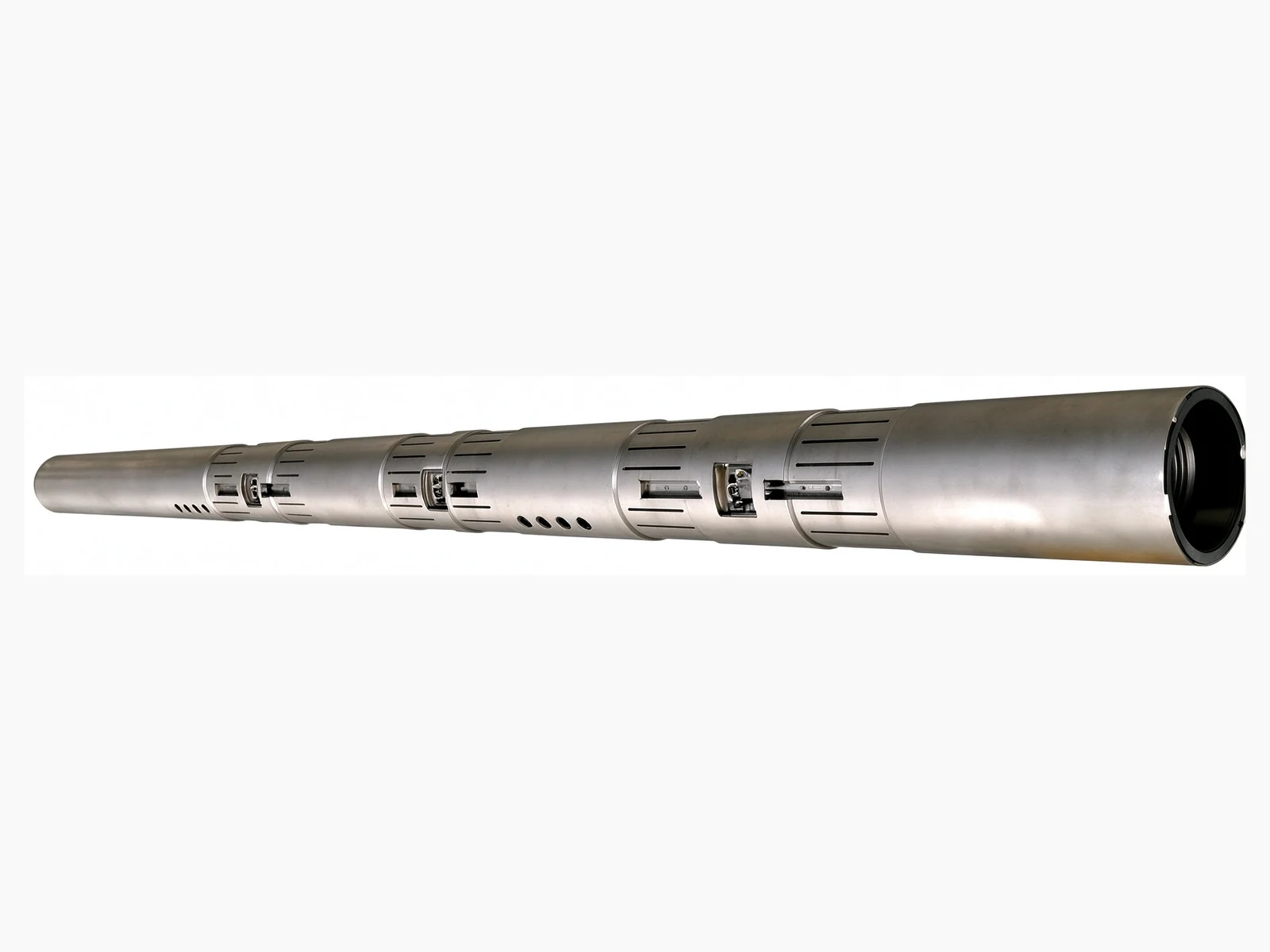
FELWD While Drilling
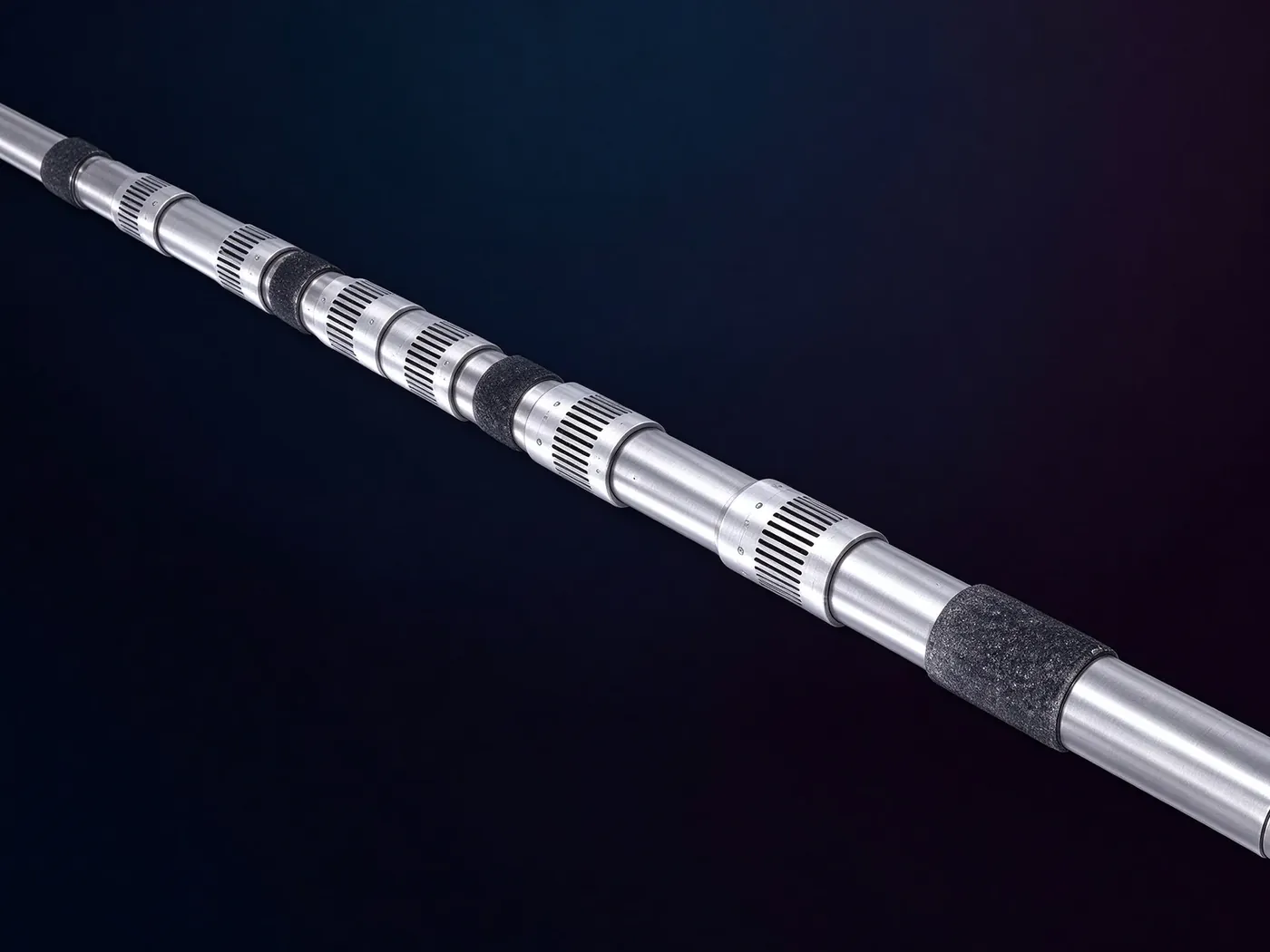
FELWD While Drilling
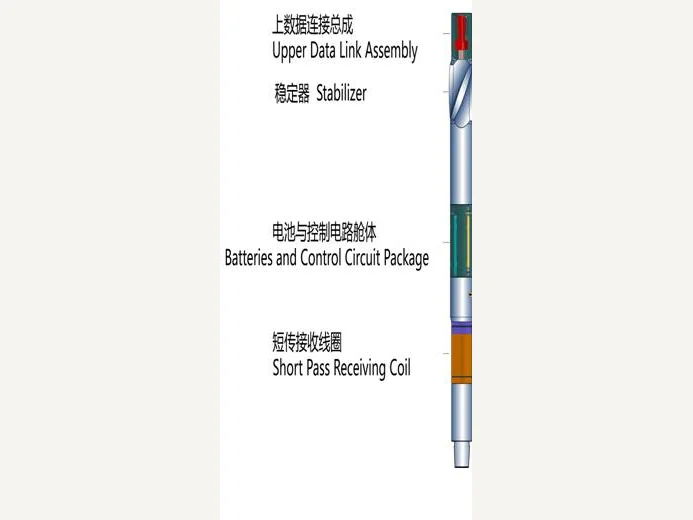
Drilling system
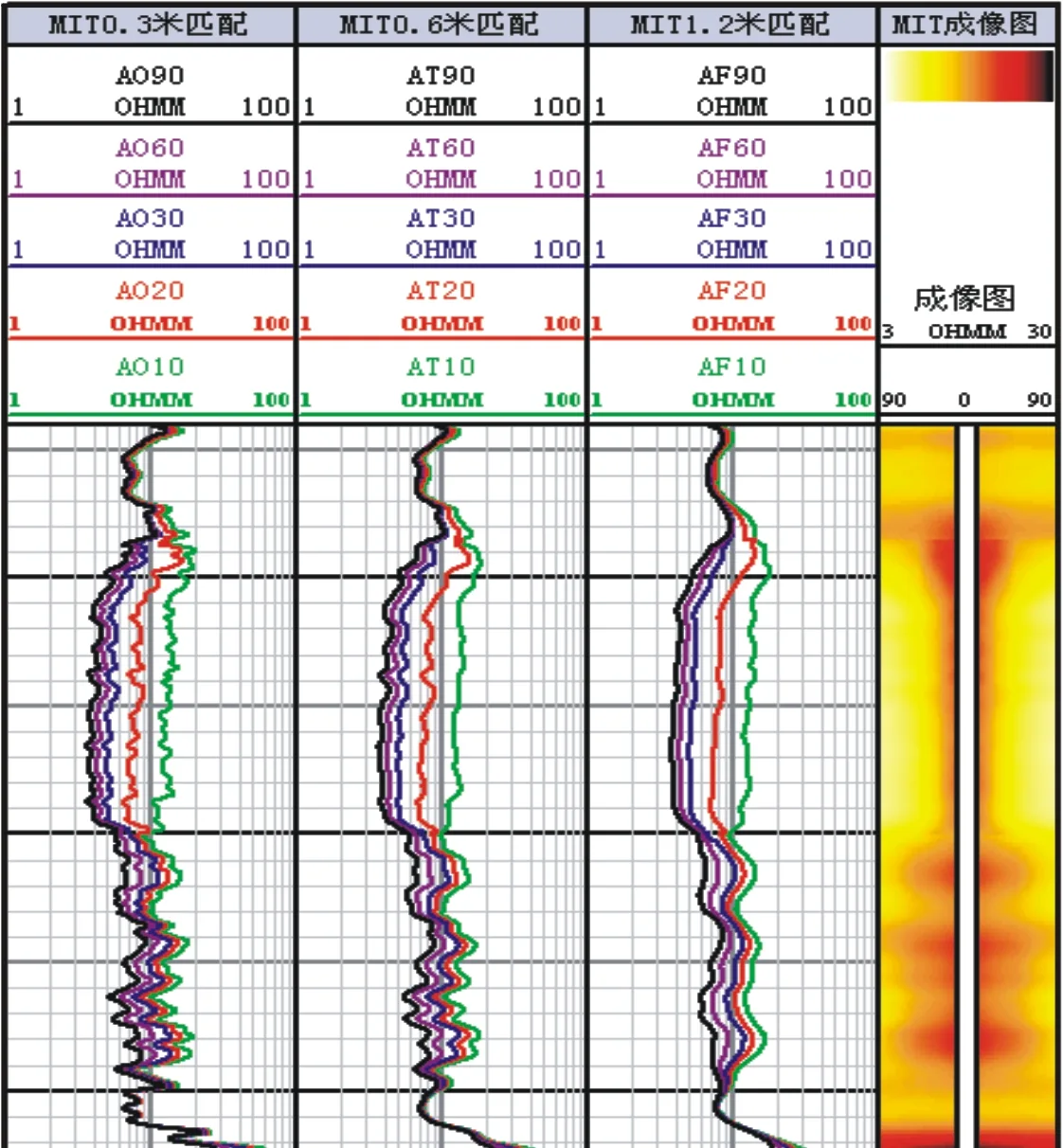
One pass gives three vertical resolutions and five depths of investigation, so invasion and thin beds can be modelled instead of averaged into a single resistivity.
The Groningen effect and the corrections that make dual laterolog unstable in thick beds. Twenty-five electrode rings with combined hard and soft focusing hold resolution at 0.3 to 0.4 m.
On the azimuthal gamma and induction tool the correlation with wireline logs from the same well is close, which is what allows the two data sets to be used together.
No chemical source means no radiation paperwork, no source handling at the rig site and no exposure risk to the crew, while porosity is still measured in real time.
A geosteering system needs a directional sensor close to the bit, so the near bit geosteering tool in the wider catalogue reads inclination and azimuth at the bit while the DSTL telemetry sub transmits it to surface.
We configure the tool string from your formation evaluation targets and the borehole conditions you expect. Send the offset logs and we will propose the combination that resolves the zones you care about.
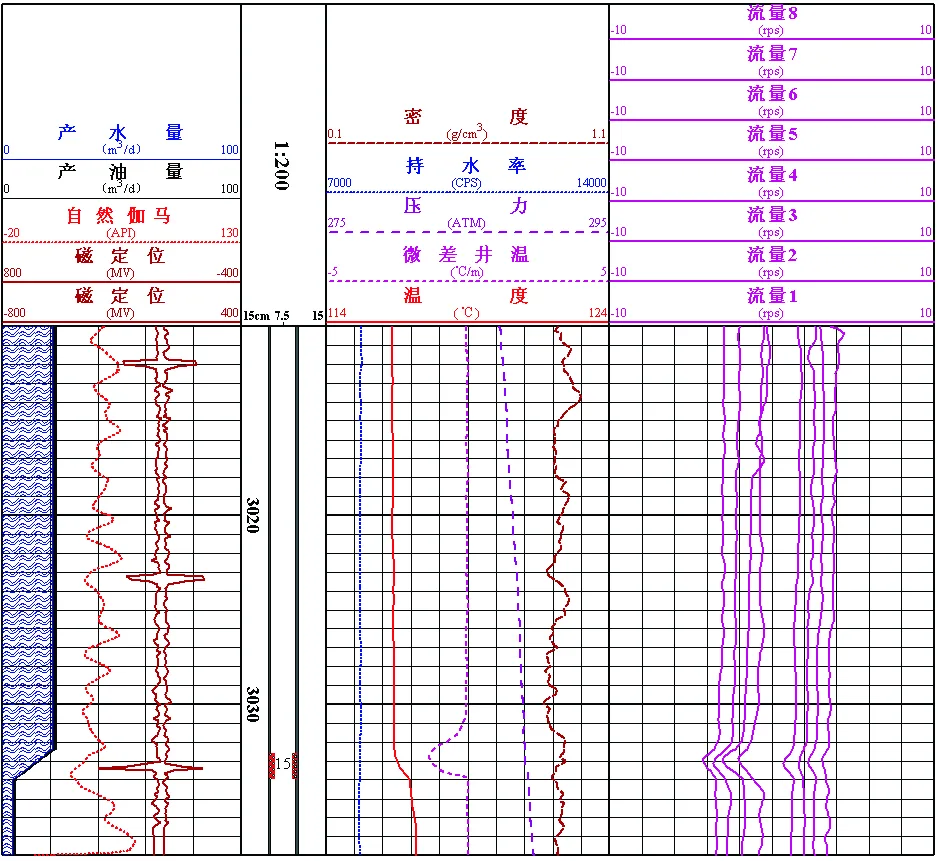
The tool string follows from the question being asked, and the question is usually one of four: how much hydrocarbon is in place, how movable it is, what the rock will do mechanically, or what has happened to the completion since it was installed. Open-hole resistivity and porosity answer the first; imaging answers the second; sonic answers the third; ultrasonic and production tools answer the fourth.
Array measurements are chosen where the formation is heterogeneous or thinly bedded. Conventional induction and laterolog remain adequate in clean, thick, high-contrast sequences, and we do not quote an array tool there because it adds cost without adding information. The array induction's value is the three vertical resolutions and five depths in one pass; the array laterolog's value is stability where dual laterolog corrections are unreliable.
While drilling, the same measurements answer a different question: whether the well is being steered correctly. Azimuthal gamma and resistivity on one collar allow a geosteering decision from a single sector of formation; the pulsed-neutron tool removes the chemical source from the site, which is a logistics and permitting question as much as a technical one.
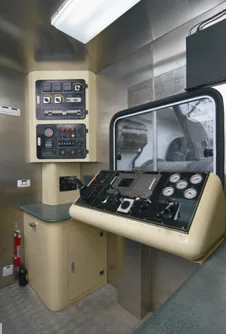
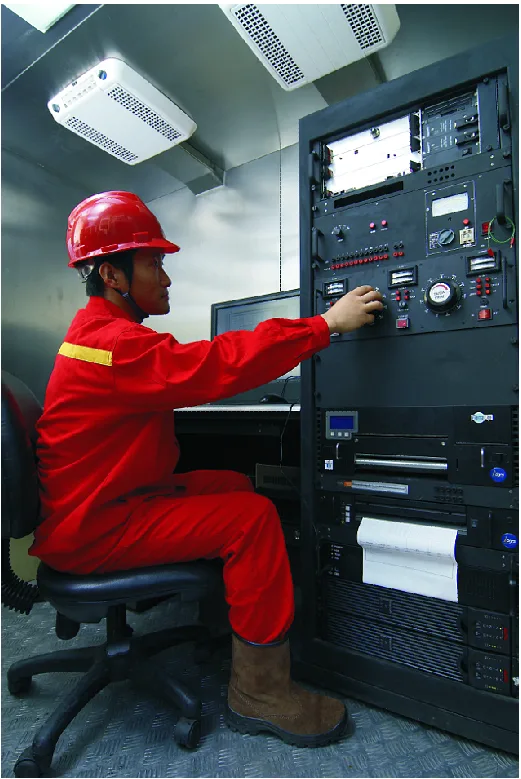
Surface equipment has to match the tool inventory. We quote the IDAP6100 platform as a single system or as a single system plus a portable set sharing the UPS and plotter, and that choice decides how many tools can be run from one unit and how quickly a second well can be started. Our engineer writes the tool list into the quotation rather than leaving it to be agreed on site.