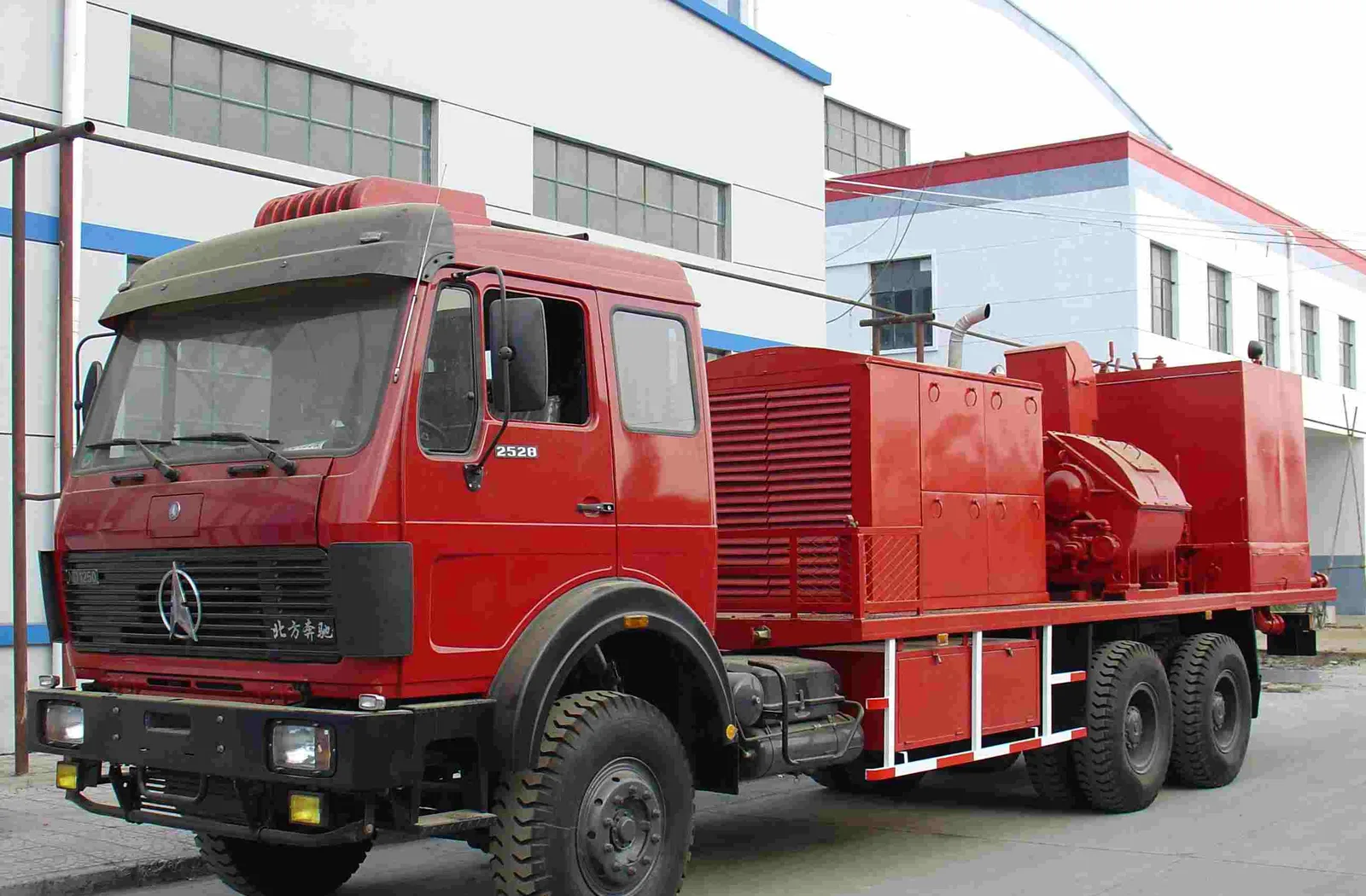
Bulk cement trucks, oil and water tank trucks and cementing support units for wellsite logistics, with air-loading and discharge systems.
Cementing jobs fail on logistics more often than on chemistry. The dry cement has to arrive dry, stay dry, and discharge at a controlled rate into the mixing unit without dust or loss. Our bulk cement trucks are built around that problem: heavy-duty chassis with real off-road capability, a large pressure vessel, and an air system driven from the truck engine so the unit keeps working where no plant air is available.
Each truck carries vertical and horizontal loading and discharge tanks with an optimised air-to-cement ratio, which keeps the material flowing instead of bridging in the cone. An optional air-cement separator at the discharge end splits air from cement before it reaches the atmosphere, which cleans up the wellsite and cuts material loss. Operation continues in dust, heat and cold because the air source is on board.
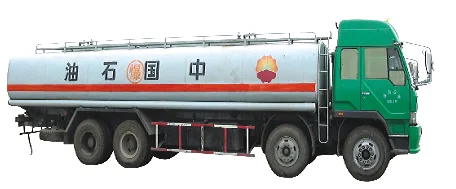
The oil and water tank trucks cover the other half of wellsite supply: fuel for the rig, water for mixing and washing. The elliptical tank carries a steam heating coil that lowers oil viscosity and stops water freezing in winter, and an exhaust gas arrangement at the front head raises discharge temperature and speed. Options on tank size, compartment layout and chassis are built to order.
We supply the cementing logistics rather than the mixing skid, and the trucks are specified against the road and the climate they will work in.
Cementing Units
Cementing Units
Capacity depends on the chassis and vessel selected; typical desert and mountain configurations are specified per project so the unit matches the mixing rate and the road limits on site.
It drops most of the dust at the discharge point, which improves the working environment and reduces lost material — a measurable saving over a season of jobs.
The steam coil and exhaust heating are aimed at viscous oil and freezing water. Compartment layout and materials are chosen per duty, so a single truck is normally dedicated to one fluid.
We quote cementing packages by mix rate, density range and the number of wells per day, not by tank size alone. Send the slurry programme and we will size the recirculating mixer and pump together.
Cementing is a logistics problem before it is a pumping problem. Bulk cement trucks, tank trucks and the mixing skid have to arrive together, in the right order, with the cement still dry. We specify the tank volume and the blower against the density the customer actually mixes, and we ask how far the trucks travel between the plant and the well.
API 10A governs the cementing equipment and the wellhead hardware used with it, and NACE-compliant materials apply wherever the service is sour. The truck carries its own air supply, so the spread does not stop because the plant compressor is down, and the tank is heated for winter discharge.
We quote the transport and the pumping unit in one document, so the customer sees a cementing spread rather than a list of vehicles.